Senior Editor: Alan Agbele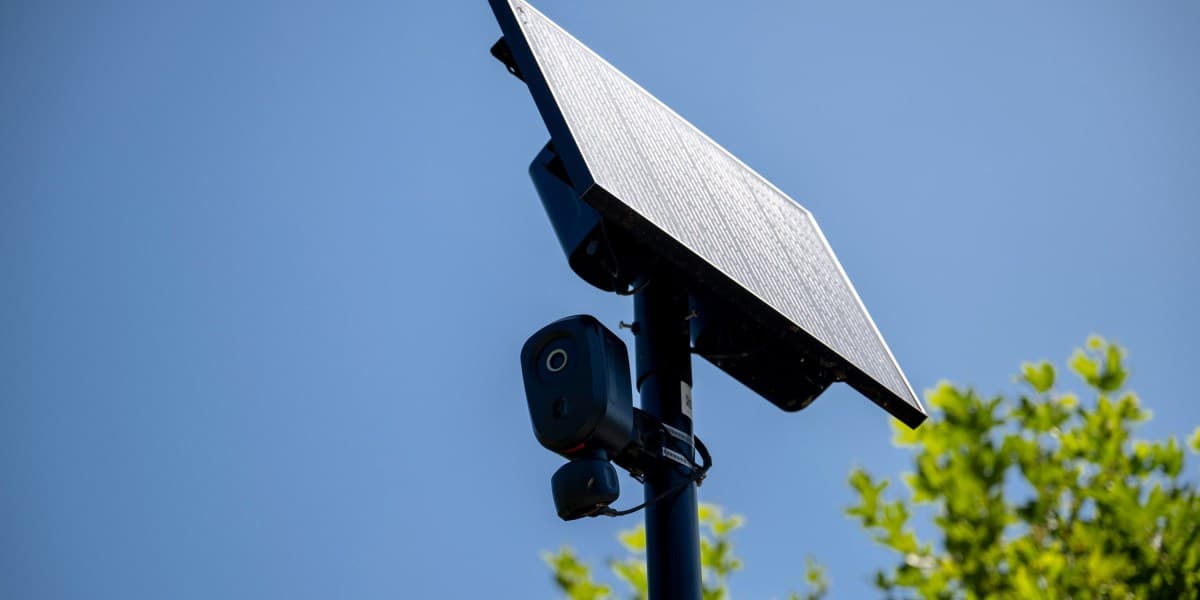
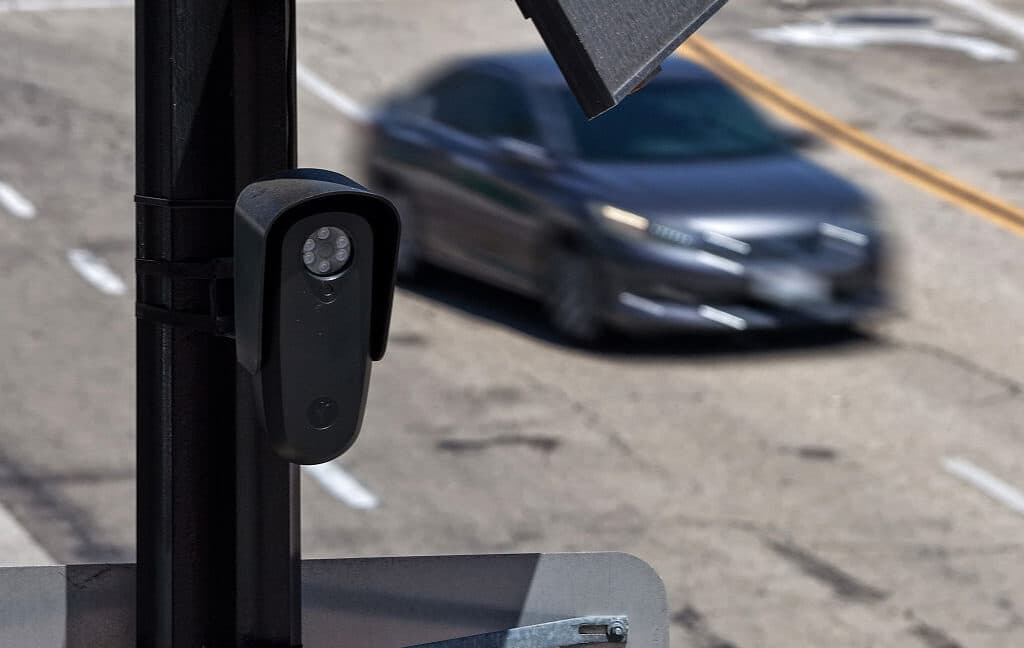
Flock, the police-tech giant that operates roughly 120,000 automatic license plate readers across the United States, announced new rules last Thursday intended to prevent officers from misusing its platform for stalking or other illegitimate purposes. The changes come after a Washington Post investigation identified 50 cases of misuse, including officers repeatedly searching for their ex-partners. Yet privacy advocates and civil liberties groups argue the safeguards contain major gaps that leave the system open to abuse.
New Rules and Their Limits
Flock's latest changes include using software to flag unusual search patterns and requiring a criminal case number for each query. The company says these steps are designed to stop stalking and harassment. One woman in Wisconsin alleged her ex-boyfriend, an officer, searched for her car 179 times. Another case involved a chief of police stalking a woman with no one to report him to.
But the safeguards have clear holes. Flock confirmed to MIT Technology Review that it does not verify whether the case numbers officers enter are real. That means the same kind of deception that allowed past abuses could continue. What Flock's defenders are missing is that the system itself is built on decisions that prioritize data collection over privacy.
The Design Choices Behind the System
The company could design its surveillance much more narrowly. For example, searches tied to active Amber Alerts could access broader data without requiring mass collection. This approach would preserve the network's value for emergencies while limiting routine surveillance. The ACLU's Chad Marlow half-joked that the most acceptable Flock contract is one never signed. He emphasized that the best limits come from new laws, not company guidelines.
Why This Matters
The debate over Flock is not simply about whether automatic license plate readers solve crimes. It is about what kind of surveillance infrastructure the country accepts. Flock's business model, which recently earned an $8 billion valuation, relies on building a national network that collects rich data and shares it broadly. If the company were to adopt stricter limits, it might lose its appeal to police departments. That tension between security and civil liberties will be decided by legislators and voters. The ACLU and other groups are pushing for state laws to ban or restrict license plate readers entirely. Meanwhile, Flock CEO Garrett Langley said he will probably always differ with the ACLU. The outcome of this struggle will determine what surveillance Americans live under for decades to come.