Senior Editor: Alan Agbele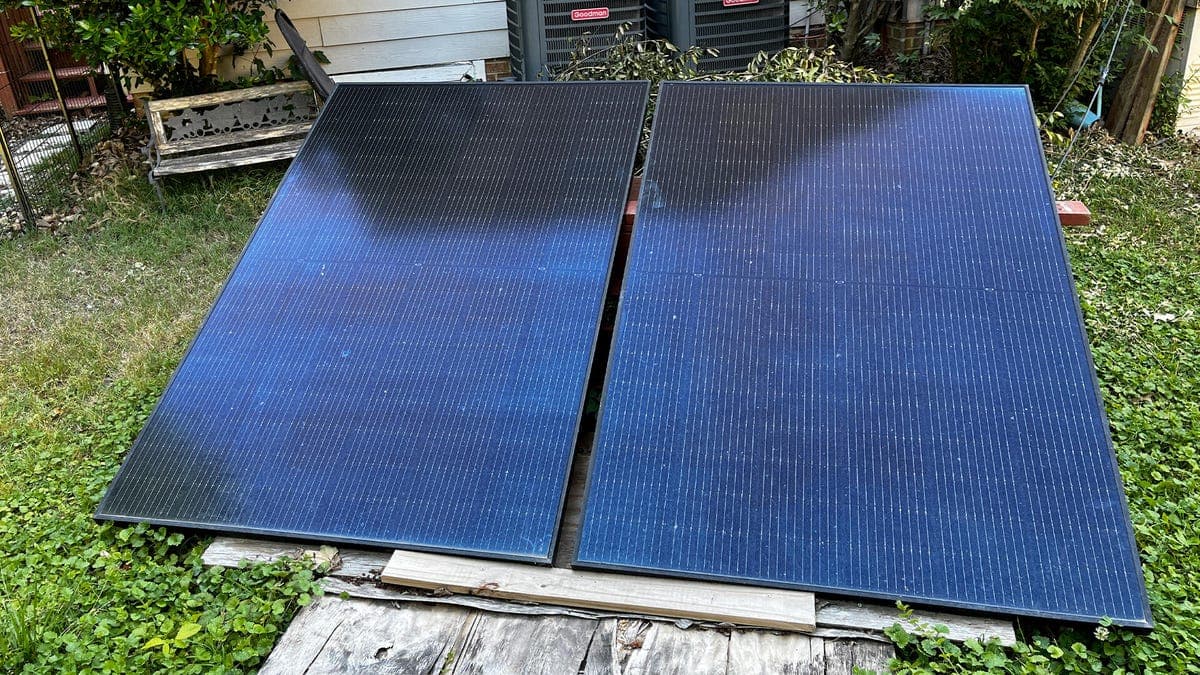
Consumer plug-in solar kits, sold as simple balcony or ground-mounted systems, are drawing sharp warnings from electrical experts who say the devices can create serious fire and electrocution risks if not installed correctly. Several industry groups have raised public safety concerns, urging homeowners to carefully assess their setups before relying on these systems.
Core Safety Hazards Identified
Electrical professionals have flagged six primary risks associated with plug-in solar installations. These include the potential for backfeeding electricity into the grid during a power outage, which can endanger utility workers. Improper connections can also cause overheating at outlet points, leading to fires.
Additional concerns involve inverter compatibility with local grid voltage and frequency, as well as water ingress in outdoor connectors that can cause short circuits. The compact nature of these kits also means some users bypass required grounding, increasing shock potential.
Regulatory Gaps and Industry Response
Safety groups argue that plug-in solar kits currently fall into a regulatory gray area. While the equipment itself may carry Underwriters Laboratories (UL) certification, the complete installation often does not conform to the National Electrical Code (NEC). Several states and municipalities now require dedicated circuits and interconnected smoke detectors for these setups.
Trade organizations representing electrical contractors have pushed for clearer labeling requirements and mandatory disconnect switches. They also want online retailers to restrict sales of kits that lack integrated anti-islanding protection, a safety feature that automatically shuts down the system when grid power goes out.
Why This Matters
The growing popularity of do-it-yourself solar reflects broader consumer demand for energy independence, but the safety trade-offs remain significant. Without better regulation, a homeowner's cost-saving measure could lead to property damage, personal injury or liability for grid disruptions. For the industry, these incidents risk undermining trust in decentralized solar power, potentially slowing adoption of cleaner energy technologies. Electrical experts say consumers should treat plug-in solar not as an appliance but as a permanent electrical installation requiring professional oversight.
Recommendations for Homeowners
Anyone considering a plug-in solar kit should first verify local building codes. Many jurisdictions require a permit and inspection. A licensed electrician can also identify whether the home's panel and wiring can handle the additional load.
When in doubt about the safety of an existing installation, homeowners should contact a qualified electrical contractor. Professional assessment remains the surest way to prevent the hazards electrical experts are warning about.