Senior Editor: Alan Agbele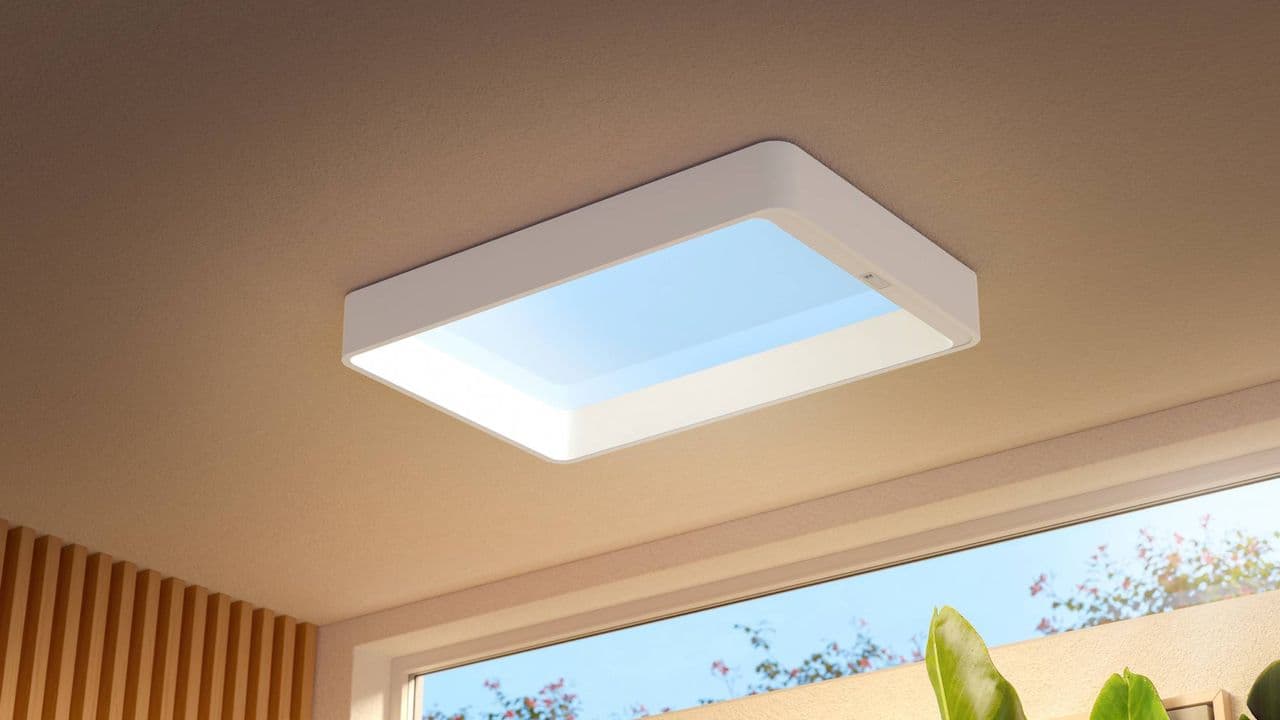
Philips has introduced a new ceiling light designed to replicate the look of a natural skylight, offering a dramatic visual effect for interior spaces. The fixture projects a bright, daylight-like glow that mimics the appearance of an open sky, a feature that sets it apart from conventional recessed lighting. While the aesthetic impresses, the product arrives without built-in smart home connectivity, a missing element that may give many buyers pause given its premium price.
Aesthetic Innovation Meets Functional Limits
The Philips Skylight Ceiling Light uses advanced optics to create a convincing illusion of a skylight overhead. The company says the design can make rooms feel larger and more open, particularly in windowless spaces or lower floors. The fixture offers adjustable color temperature and brightness, giving users some control over ambiance. However, all adjustments rely on a standard wall switch or remote control rather than voice commands, app integration or compatibility with platforms like Apple HomeKit, Amazon Alexa or Google Home.
This limitation stands out in an era where most premium lighting products offer at least basic smart features. Competitors such as LIFX and Nanoleaf sell ceiling lights with full smart home integration at comparable or lower prices. Philips itself sells smart bulbs and fixtures under its Hue brand, making the omission of Wi-Fi or Zigbee radios in this skylight model a deliberate choice that may narrow its appeal.
Why This Matters
The Philips Skylight targets homeowners and renters seeking improved lighting quality in rooms that lack natural light. For these consumers, the visual benefit is real: better lighting can reduce eye strain, improve mood and make a space feel more livable. But the absence of smart controls creates friction in households that rely on automated lighting schedules, voice activation or integration with broader home automation routines. The high price tag, which Philips has not disclosed in full but is expected to exceed $500, makes the tradeoff harder to justify.
Buyers must weigh whether stand-alone aesthetics outweigh the convenience and long-term value of a connected system. For those already invested in smart home ecosystems, this light may feel like a step backward. For others seeking a simple, striking upgrade with no interest in app control, the lack of connectivity may not matter.
Broader Industry Context
Philips is betting that the skylight effect alone can command a premium, even as the broader lighting market moves toward interoperability and energy management. The launch reflects a growing consumer demand for circadian lighting and wellness-focused home products. Yet by skipping smart features, the company risks positioning the Skylight as a niche decorative item rather than a practical lighting solution.
Other manufacturers have already combined realistic daylight simulation with full smart home support. Signify, Philips's parent company, could revisit this product in a future revision. For now, the Skylight Ceiling Light stands as a visually impressive but functionally incomplete addition to the smart home landscape.