Senior Editor: Alan Agbele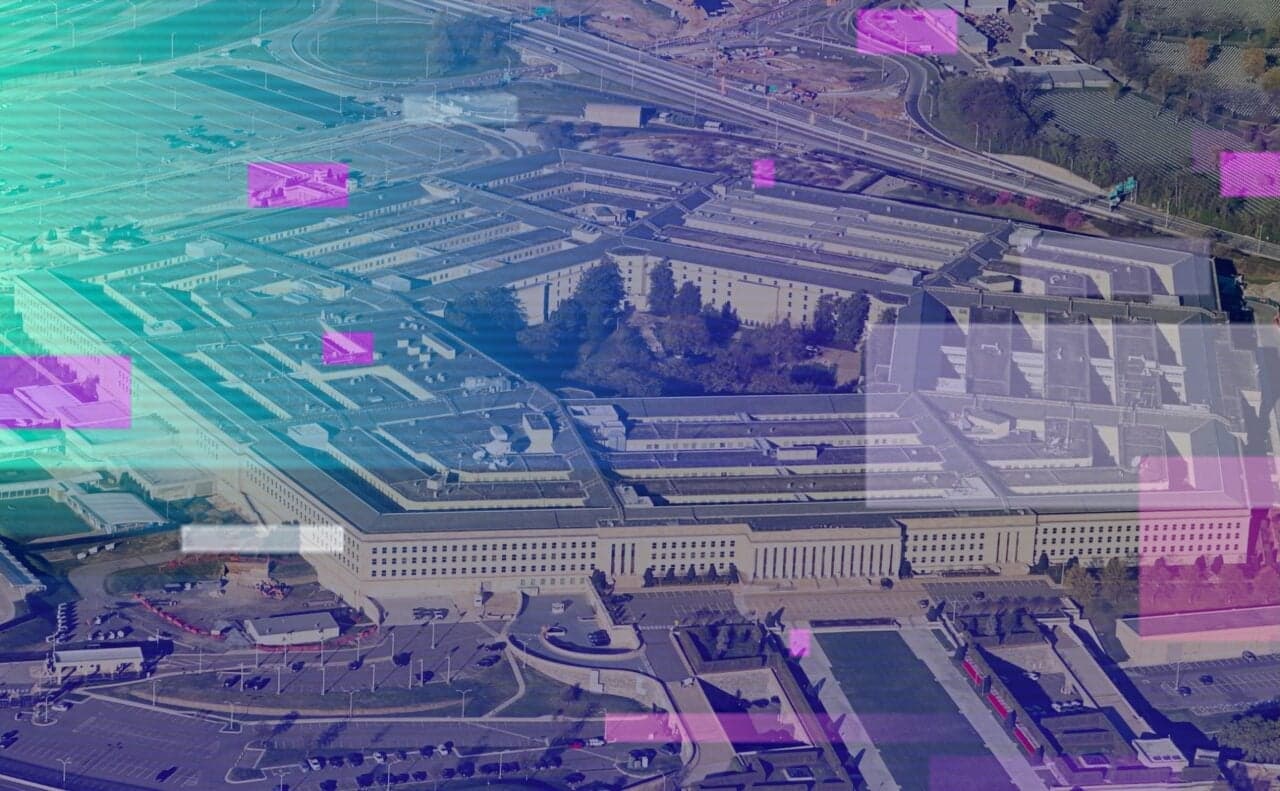
The Pentagon is quietly preparing to integrate and weaponize the latest generation of cyber-capable artificial intelligence models, according to a new report. Among the systems under consideration is Anthropic's Claude Mythos Preview, a powerful AI tool that raises new questions about the militarization of commercial AI technology.
The news arrives as the U.S. Department of Defense accelerates its push to adopt cutting-edge AI for offensive and defensive cyber operations. Insiders say the plan involves embedding advanced language models into military systems to automate threat detection, generate attack code and coordinate autonomous responses.
Military AI Expansion
Anthropic has been designated a supply chain risk by U.S. authorities, a classification that typically restricts government contracts. Yet the report claims the Pentagon is moving forward with testing Claude Mythos Preview for battlefield applications. The contradiction highlights the tension between national security needs and corporate risk management.
The AI models in question are designed to understand and generate human-like text, but military planners see a broader role. They envision systems that can parse intelligence data, draft mission orders and even simulate enemy behavior during war games. The weaponization of such tools could give U.S. forces a speed advantage in cyberspace.
Experts warn that deploying autonomous AI in combat scenarios carries significant dangers. Flawed logic, misaligned goals or adversarial manipulation could lead to unintended escalation. The Pentagon has not publicly confirmed the report, but officials have repeatedly called for faster adoption of AI to keep pace with China and Russia.
Why This Matters
This development directly affects the global balance of power in cybersecurity and military technology. If the Pentagon successfully weaponizes state-of-the-art AI models, it will set a precedent for other nations to follow. The involvement of a company like Anthropic, despite its supply chain risk label, shows that ethical boundaries are bending under strategic pressure.
Taxpayers and policymakers must grapple with the implications. Military use of AI could save lives by automating dangerous tasks, but it could also introduce new forms of warfare that are harder to control. The lack of public transparency around these programs raises concerns about accountability and the risk of an AI arms race.
For the tech industry, the Pentagon's plan signals a lucrative but controversial market. Companies like Anthropic face pressure to decide whether military contracts align with their stated safety principles. The outcome may reshape how AI firms engage with defense agencies worldwide.
As the line between commercial AI and military hardware blurs, the world is watching. The Pentagon's next steps will determine whether these powerful models become tools of deterrence or triggers of unintended conflict.