Senior Editor: Alan Agbele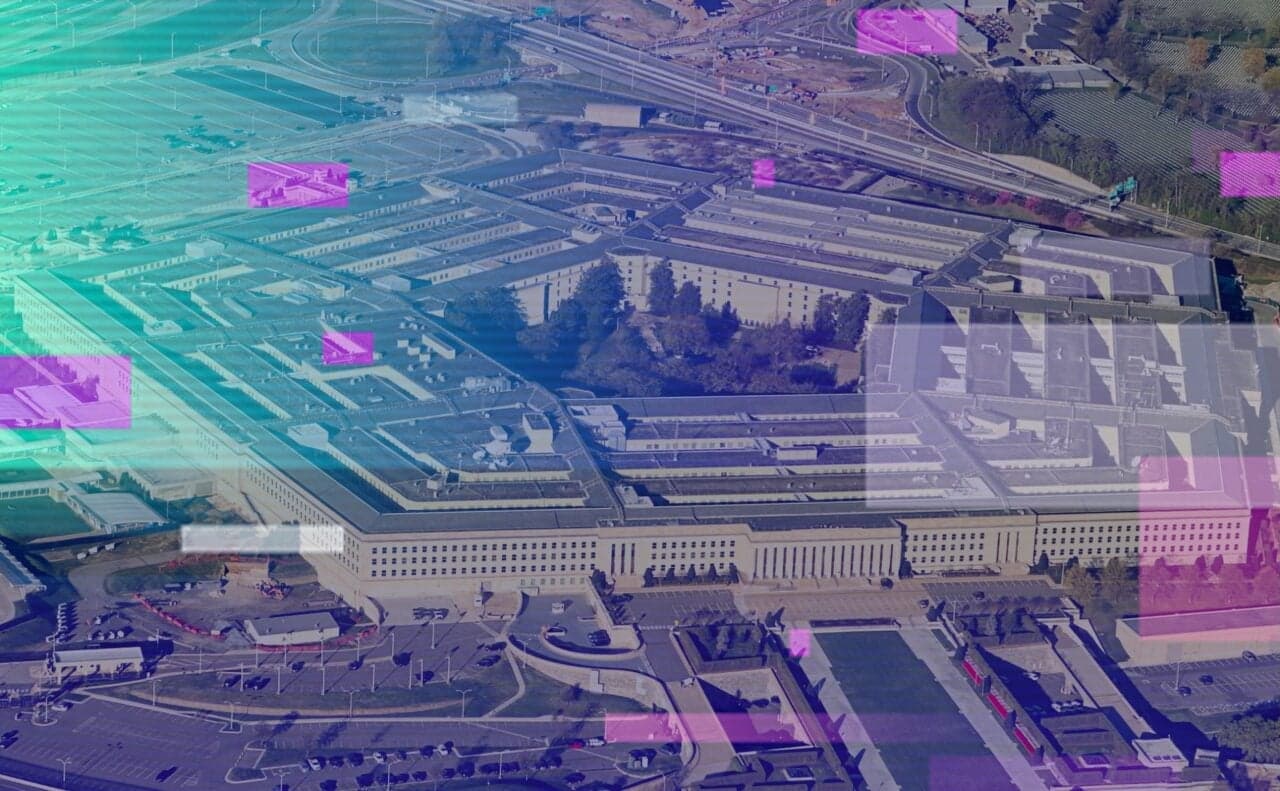
The Pentagon has begun notifying potentially millions of current and former service members that their personal data may have been stolen in a breach of a military personnel database. The compromised information includes Social Security numbers, addresses and other sensitive details used for identity verification.
Breach Notification Process
Officials declined to specify the exact number of people affected but confirmed that notifications will go out to active-duty members, Guard and Reserve personnel and some civilian employees. The Pentagon began mailing letters on March 10, 2025, and expects the process to take several months. Recipients are directed to a dedicated support center for credit monitoring and identity restoration services.
The compromised data came from a system run by the Defense Manpower Data Center, a repository that holds personnel records used for benefits, deployment tracking and security clearances. Investigators have not yet named a responsible party or disclosed how the breach occurred.
Risks to Service Members
Military personnel face heightened risks from data theft because their personal information is tied to security clearances and deployment schedules. Identity thieves could use Social Security numbers to open fraudulent accounts, file fake tax returns or compromise government systems. Veterans are especially vulnerable because their records often remain active for decades after service ends.
The Pentagon advises affected individuals to enroll in free credit monitoring and place fraud alerts on their credit files. The breach also raises concerns about operational security, as hackers could piece together service members' locations or unit assignments from the stolen data.
Why This Matters
This breach represents one of the largest exposures of military personnel data in U.S. history. For service members, the consequences extend beyond financial fraud. A stolen Social Security number can be used to access secure networks, impersonate a servicemember or even disrupt future assignments. The Pentagon now faces pressure to overhaul how it secures personnel records, potentially shifting to more decentralized or encrypted storage systems. Meanwhile, Congress is expected to demand a full accounting of the breach timeline and response, with hearings likely in the coming weeks. The incident also underscores a broader vulnerability: government agencies that collect vast amounts of personal data often lag behind private industry in deploying modern cybersecurity defenses.
Affected service members should remain vigilant for phishing scams that mimic official Pentagon correspondence. Officials have warned that scammers may try to exploit the breach by posing as support agents requesting additional personal details.