Senior Editor: Alan Agbele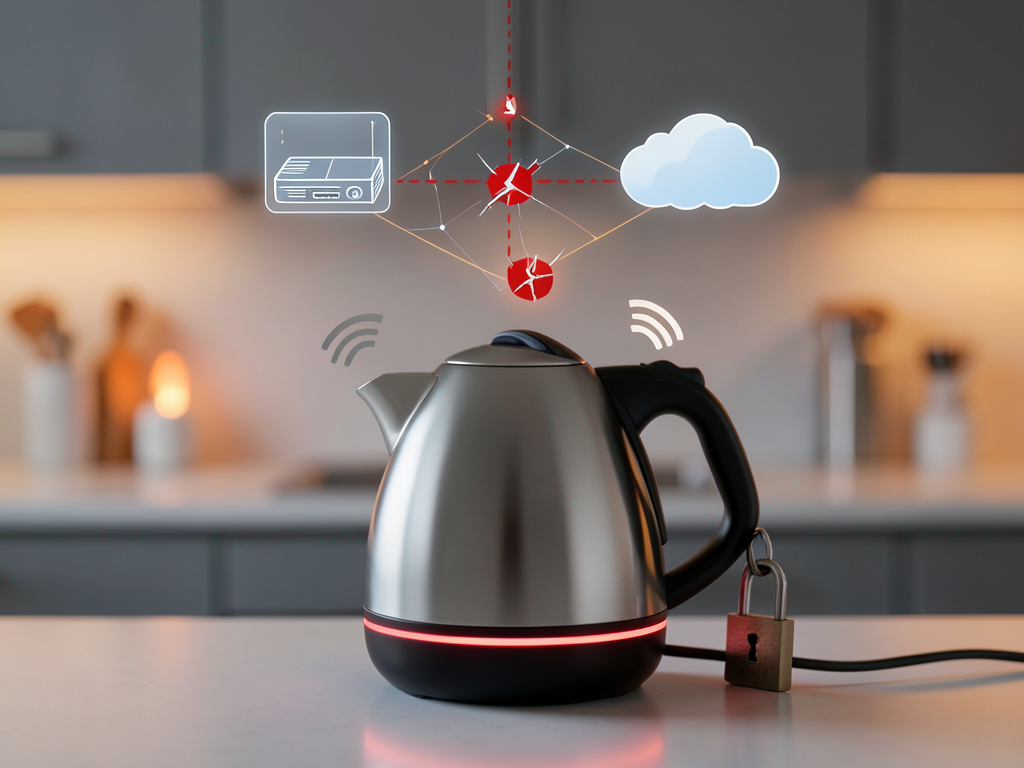
A security investigation called Operation Smart Kettle has exposed serious vulnerabilities in at least a dozen smart kettle models, according to findings published on Börzels Blog. The operation involved months of testing and revealed that many connected kettles could be remotely controlled, manipulated or turned into surveillance tools. The report has sparked widespread discussion, with Blog Comments on Hacker News highlighting the broader risks of insecure IoT devices.
The Investigation
Researchers at Börzels Blog conducted Operation Smart Kettle over a six‑month period, testing 15 smart kettle models from eight manufacturers. They focused on firmware, mobile companion apps and cloud backend services. The team discovered that more than half the devices lacked basic security protections such as secure boot, signed firmware updates or encrypted data transmissions.
The investigation used both automated scanning tools and manual code review. Researchers found hard‑coded passwords in several mobile apps and discovered that some kettles transmitted Wi‑Fi credentials in plain text during initial setup. The findings were documented in a detailed report published on Börzels Blog and quickly attracted attention from the cybersecurity community.
Vulnerabilities Found
Blog Comments and Community Reaction
The report generated intense discussion in Blog Comments on Hacker News, where users shared their own experiences with insecure smart home devices. Many commenters pointed out that smart kettles often lack the same security scrutiny as computers or phones. Others called for regulators to mandate minimum security requirements for IoT devices sold in major markets. Börzels Blog responded to the discussion by clarifying that some manufacturers have been notified but have not yet released patches.
Why This Matters
This operation highlights a systemic failure in the smart appliance industry. Manufacturers rush to add internet connectivity without investing in secure development practices. The vulnerabilities allow attackers not only to control a kettle but also to use it as a pivot point into a home network. With millions of smart kettles already sold worldwide, the potential for large‑scale botnets or privacy intrusions is real. Regulators and consumers alike must push for stronger security baselines, or the next investigation may expose flaws with far graver consequences than a boiling pot of water.