Editor: Porcia Akua Holmes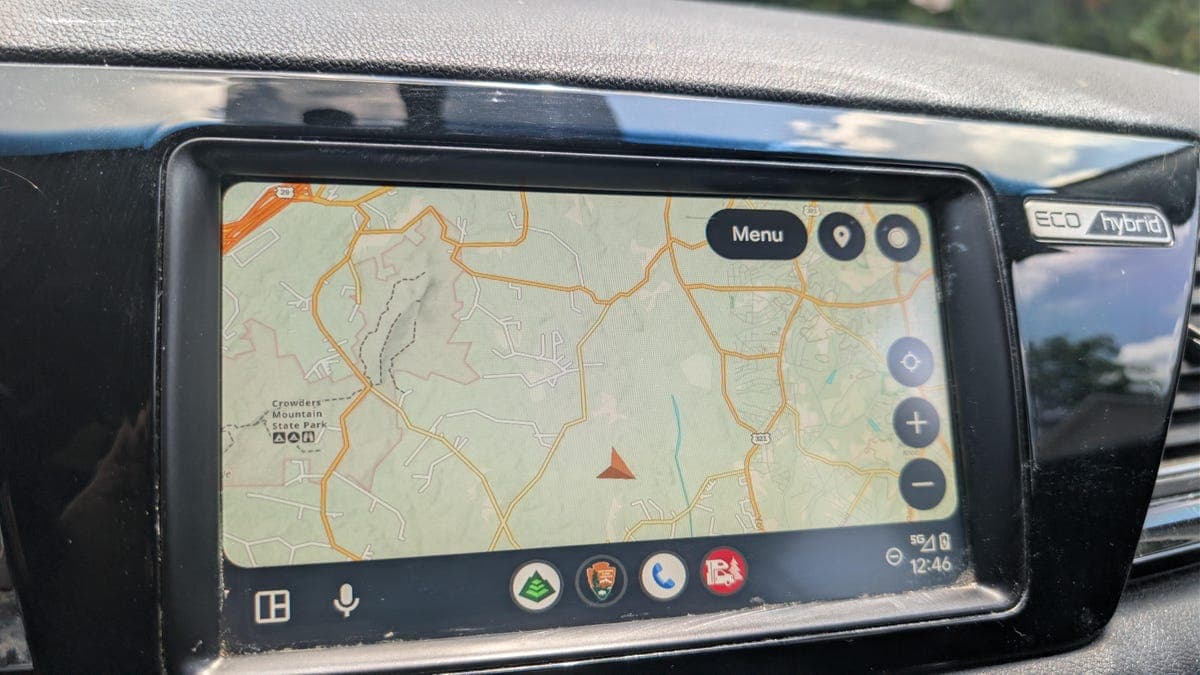
The days of relying solely on paper maps or expensive dedicated GPS units for off-road driving are fading. A new wave of Android Auto apps now brings trail navigation directly to the dashboard, and many of them cost nothing to download.
For drivers who venture onto unpaved roads, having reliable navigation is not just a convenience. It is a safety requirement. Getting lost on a remote trail can lead to hours of delay or worse. The shift to smartphone-powered navigation through Android Auto means more off-roaders can access detailed topo maps, trail databases and offline routing without investing in specialized hardware.
The Off-Road App Ecosystem
Several apps have emerged as leaders in this space. Gaia GPS, onX Offroad and Trailforks all offer Android Auto integration, providing users with real-time trail information directly on their car display. These apps include features such as public land boundaries, trail difficulty ratings and offline map downloads. Most of these apps operate on a freemium model, with core features available at no cost.
What sets these apps apart from standard navigation tools like Google Maps is their focus on unpaved routes. They show forest roads, jeep trails and hiking paths that typical street navigation ignores. For overlanders and off-road enthusiasts, this specificity is critical.
Why This Matters
The availability of free or low-cost off-road navigation apps on Android Auto lowers the barrier to entry for the sport. Casual drivers can now explore backcountry routes without buying a dedicated GPS device that costs hundreds of dollars. This shift also encourages safer driving, as real-time trail information helps users avoid dangerous or closed roads.
For the off-road community, the trend means more people are entering the hobby with proper navigation tools. That could reduce incidents of stranded vehicles and search-and-rescue operations. At the same time, increased trail traffic raises questions about environmental impact and land management.
What This Means for Traditional GPS Makers
Companies like Garmin and Magellan that dominate the off-road GPS market face a challenge. Their dedicated devices offer rugged durability and longer battery life, but smartphone apps matched with a good mount and a power bank provide comparable functionality for a fraction of the cost. The convenience of using a single device for daily driving and weekend adventures is a strong draw.
However, dedicated devices still hold advantages in extreme conditions: they are built to withstand dust, water and drops better than most phones. For serious overlanders, a dedicated unit may remain the preferred choice. But for the majority of occasional off-roaders, the free apps on Android Auto are becoming the standard.
The evolution of Android Auto from a city navigation tool to a platform capable of handling off-road routes reflects broader trends in automotive technology. As smartphones become more capable, they increasingly replace specialized hardware. The result is a more accessible but also more connected off-road experience.