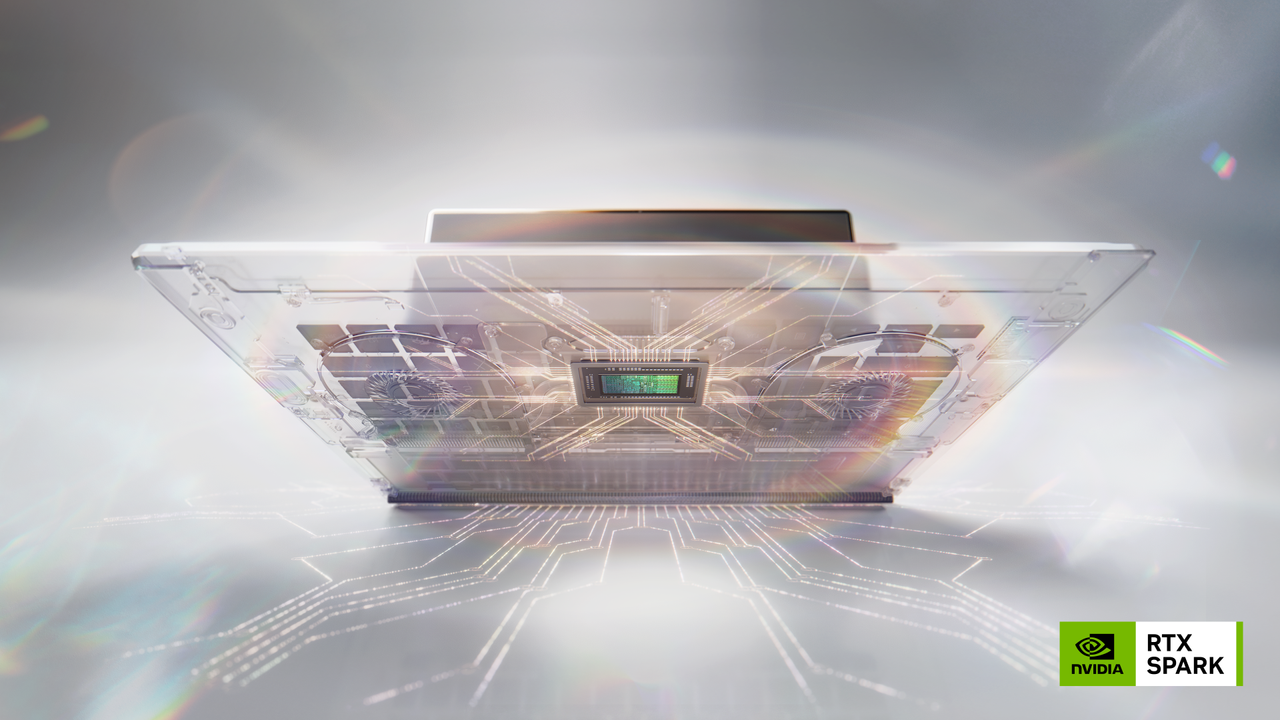
Nvidia has entered the Arm-based processor race with a new chip called the RTX Spark. The company revealed the superchip at Computex 2026, positioning it as a direct competitor to Apple's upcoming M5 processor and Qualcomm's Snapdragon X series. The announcement marks a significant expansion of Nvidia's hardware ambitions beyond graphics cards.
A Direct Challenge to Apple and Qualcomm
The RTX Spark is built on Arm architecture, a departure from Nvidia's traditional focus on GPU design and x86 partnerships. The chip targets high-performance computing for laptops and desktops, aiming to match or exceed the efficiency and power of Apple's M5. Qualcomm has also been pushing its own Arm-based chips for Windows PCs, making the market increasingly crowded.
Nvidia's move puts pressure on Intel and AMD as well. Both companies rely on x86 architecture, which now faces a growing threat from Arm-based alternatives. The RTX Spark could accelerate the shift away from x86 in consumer devices, especially if Nvidia delivers on performance claims.
What the RTX Spark Brings
Details about the chip's specifications remain limited. Nvidia confirmed it integrates CPU and GPU cores on a single die, similar to Apple's system-on-a-chip design. The RTX Spark is expected to leverage Nvidia's expertise in AI acceleration and ray tracing, giving it an edge in gaming and creative workloads.
Industry analysts see the RTX Spark as a strategic move to reduce Nvidia's dependence on the volatile GPU market. By offering a complete processor, Nvidia can compete for design wins in laptops and compact desktops, a segment dominated by Apple's M-series chips.
Why This Matters
For consumers, the RTX Spark means more competition in the PC processor space. That could lead to better performance and lower prices over time. Laptop buyers may soon have a third major Arm-based option alongside Apple and Qualcomm, breaking the Intel-AMD duopoly in Windows PCs.
The chip's success will depend on software ecosystem support. Windows on Arm has improved but still lags behind x86 in app compatibility. Nvidia will need to work closely with Microsoft and developers to ensure smooth performance.
For investors, the RTX Spark signals Nvidia's long-term strategy to control more of the computing stack. The company already dominates AI hardware. Adding a consumer CPU could create new revenue streams and reduce reliance on gaming GPU sales.