Editor: Porcia Akua Holmes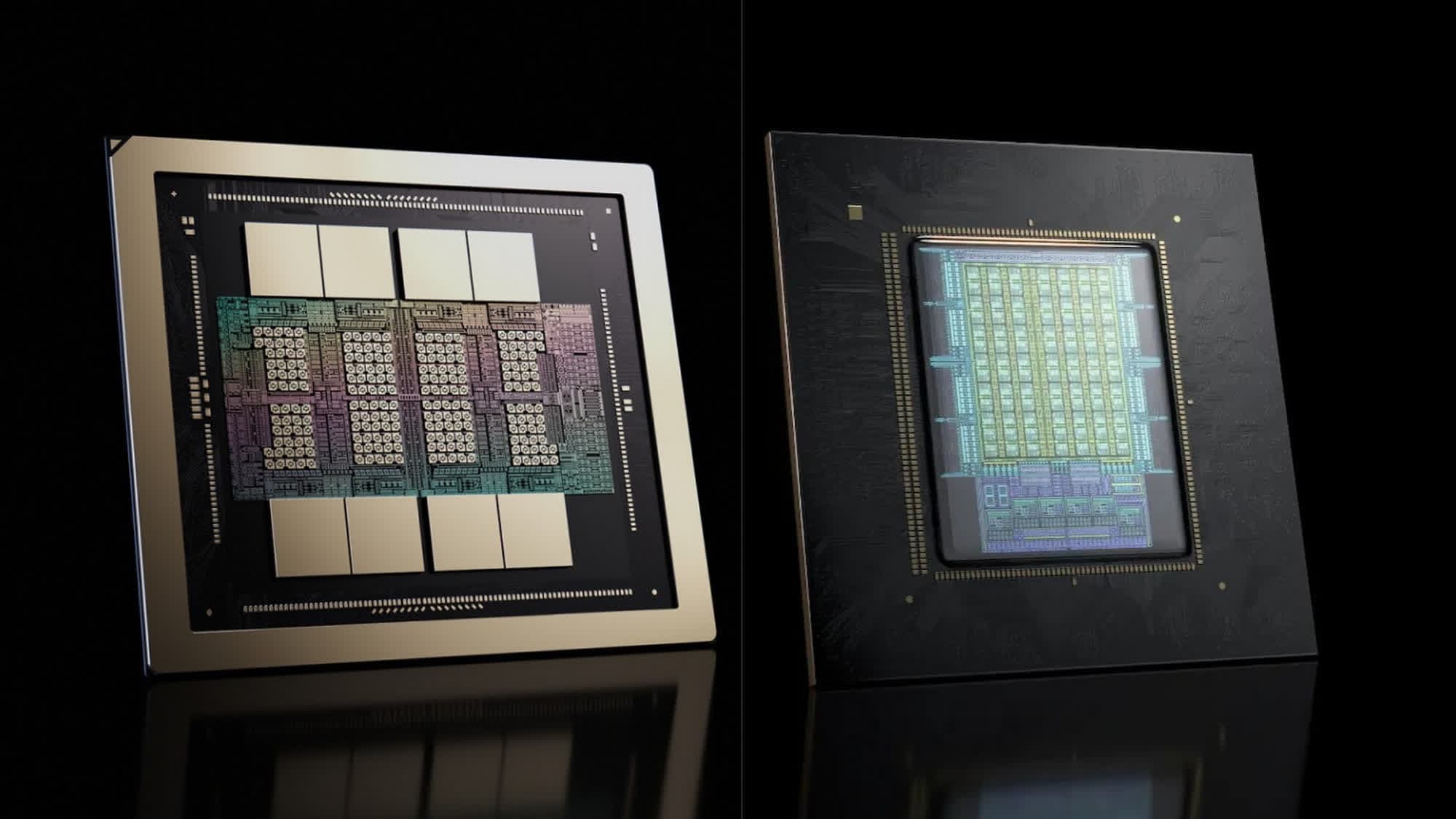
Nvidia has released new specifications for its Vera CPU, a custom Arm-based processor built for the Vera Rubin platform, claiming its proprietary Olympus cores deliver higher performance than AMD's Epyc Turin chips for AI and data center tasks. The announcement signals Nvidia's deeper push into the CPU market, traditionally dominated by AMD and Intel.
The Vera Rubin Platform and Vera CPU
The Vera CPU is a multi-purpose chip tailored for AI agent workflows, including complex reasoning, tool execution, code generation and reinforcement learning. Unlike Nvidia's GPUs, which excel at parallel processing, the Vera CPU handles tasks that require sequential logic and decision-making. The chip is built on an Arm architecture, giving Nvidia more control over the design and integration with its GPU accelerators.
Key features of the Vera CPU include:
Performance Claims Against AMD Epyc Turin
Nvidia claims the Vera CPU's Olympus cores outperform AMD's Epyc Turin processors in several key benchmarks, though specific numbers have not been disclosed. The comparison is notable because AMD's Epyc Turin chips have been widely adopted in cloud and enterprise data centers for general-purpose computing. Nvidia's assertion, if verified, would mark a significant competitive move into a market segment where AMD has long held a strong position.
The performance advantage is attributed to the custom design of the Olympus cores, which are optimized for the specific instruction patterns of AI agent workloads rather than generic server tasks. Industry analysts note that Nvidia's tight integration between CPU and GPU in the Vera Rubin platform could provide additional efficiency gains that standalone chips cannot match.
Why This Matters
Nvidia's entry into the server CPU market with a chip that now claims to beat AMD's flagship Epyc Turin line changes the competitive dynamics for data center operators. Cloud providers and enterprises that rely on AMD or Intel CPUs for AI infrastructure may now consider Nvidia as a one-stop vendor for both CPUs and GPUs. This could reduce costs and complexity for deploying AI agent systems, but it also creates vendor lock-in risk. The Vera Rubin platform represents Nvidia's most aggressive push to own the entire AI compute stack, from CPU to GPU to networking. If the performance claims hold up, AMD and Intel will face a formidable new rival that understands AI workloads better than traditional chip makers.
For AI developers and data center architects, the Vera CPU offers a specialized alternative but requires adopting Nvidia's ecosystem. The broader implication is that the AI hardware race is no longer just about GPUs; CPUs are becoming critical components for agentic AI, and Nvidia intends to lead that segment as well.