Editor: Porcia Akua Holmes
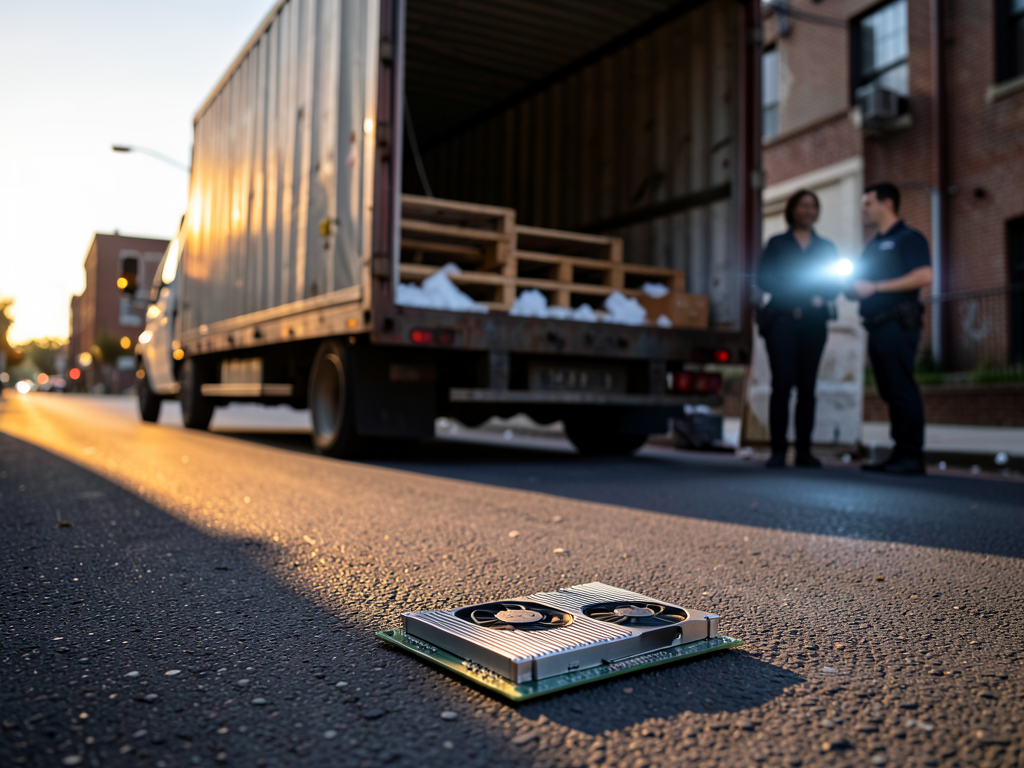
A sophisticated theft of $11.4 million in Nvidia equipment from a shipment bound for Fort Worth, Texas, has exposed a growing vulnerability in the global supply chain for artificial intelligence hardware. Police suspect the heist occurred in Oakland, California, and no arrests have been announced.
Inside the Oakland Heist
The stolen shipment was reportedly en route from Oakland to Fort Worth when thieves intercepted it. The Bay Area News Group first reported the incident, citing police suspicions of a sophisticated operation. The exact method of the theft has not been disclosed, but the scale suggests inside knowledge or careful surveillance.
Nvidia has not commented publicly on the theft, and it remains unclear whether the equipment was insured or who bears the financial loss. The incident follows a pattern of increasingly bold cargo thefts targeting electronics and other high-value goods across the United States.
Why AI Hardware Is a Prime Target
Nvidia's data center GPUs, such as the H100 and A100, are critical for training large language models and running AI workloads. Their high price and persistent shortage have created a lucrative black market. A single H100 can fetch over $30,000, making a pallet of them worth millions.
Thieves can resell these components through online marketplaces or to unscrupulous buyers overseas, often with little traceability. The lack of serial number tracking across the supply chain makes recovery difficult.
Why This Matters
The theft signals a broader risk for the AI industry: as companies race to build data centers, the physical movement of hardware becomes a critical weak point. Insurers may raise premiums for tech cargo, and logistics firms could demand stricter security protocols.
For Nvidia, the incident is a reputational and financial setback, but the bigger concern is the precedent. If thieves can successfully target Nvidia, other high-value components from AMD, Intel or custom chipmakers could be next. The industry may need to adopt blockchain-based tracking or escorted convoys for high-value shipments.
What Comes Next for Supply Chain Security
Law enforcement agencies are likely to increase scrutiny on cargo theft rings, but prevention will require cooperation between manufacturers, shippers and insurers. Some companies are already experimenting with smart containers that alert authorities if tampered with.
The Oakland heist may accelerate the adoption of such technologies. Until then, the AI supply chain remains a soft target for organized crime.