Senior Editor: Alan Agbele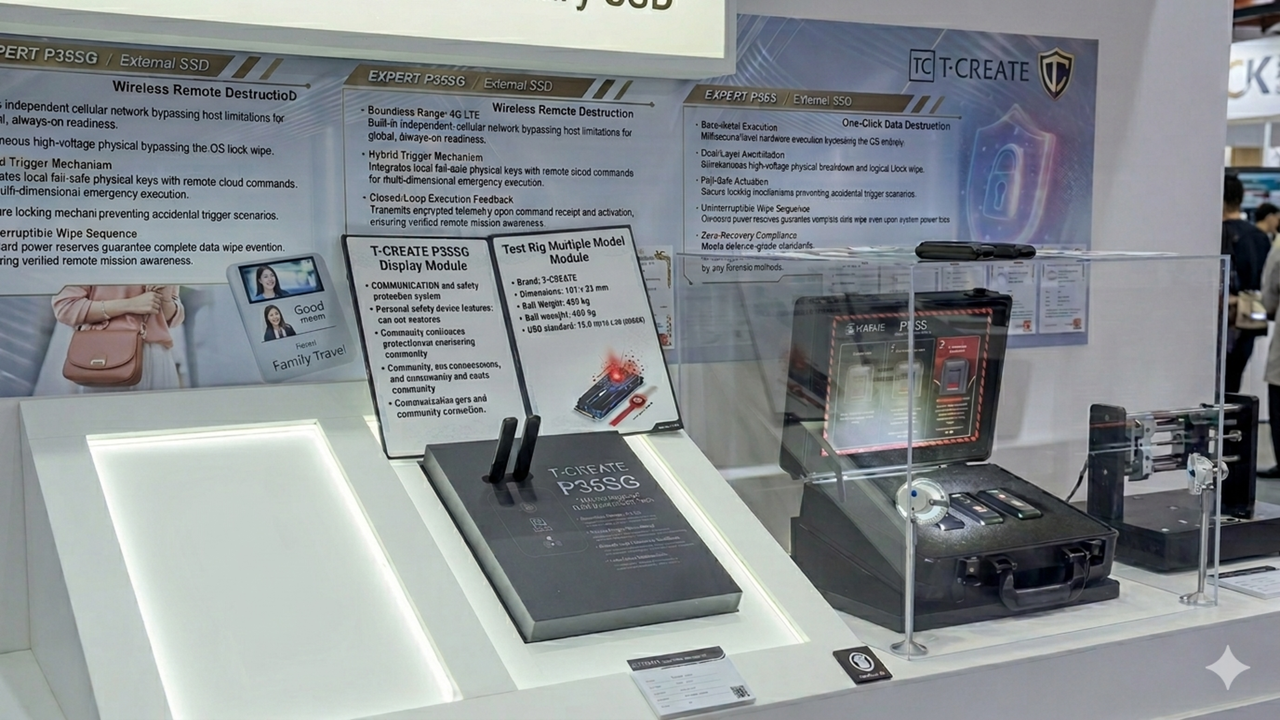
Teamgroup has introduced an SSD that brings remote data destruction to portable storage. The drive includes a built-in 4G modem that allows users to wipe its contents wirelessly from any location.
The feature works by sending a command over the cellular network. Once triggered, the SSD permanently erases all stored data. The process cannot be undone.
This approach addresses a longstanding security gap. Traditional SSDs require physical access or software-based wiping that leaves traces. Remote destruction via cellular signal offers a clean, verifiable erasure method.
How Remote Wiping Works
The SSD contains a small modem and a dedicated controller. When a user sends a destruction command through an online portal, the controller triggers a secure erase cycle. The data is overwritten at the hardware level, making recovery impossible.
The system relies on a subscription for cellular connectivity. Teamgroup has not disclosed pricing or carrier partnerships. The drive itself uses standard NVMe technology and fits in a portable enclosure.
Remote destruction can be initiated even if the drive is powered off, as long as the modem maintains a connection to the network. This ensures data can be wiped before the device falls into the wrong hands.
Why This Matters
Portable drives are frequently lost or stolen. For professionals handling sensitive data, the ability to destroy information remotely reduces risk of breaches. Government contractors, journalists and corporate travelers are directly affected.
The technology also reflects a broader shift toward self-destruct storage. Several manufacturers are exploring similar features, though few have reached production. Teamgroup’s SSD is one of the first to integrate a cellular modem directly into the drive.
Buyers should be aware of a key trade-off. The drive depends on cellular coverage and a subscription. In remote areas without signal, remote destruction may not be possible. Still, the feature adds a layer of protection that was previously unavailable for portable SSDs.