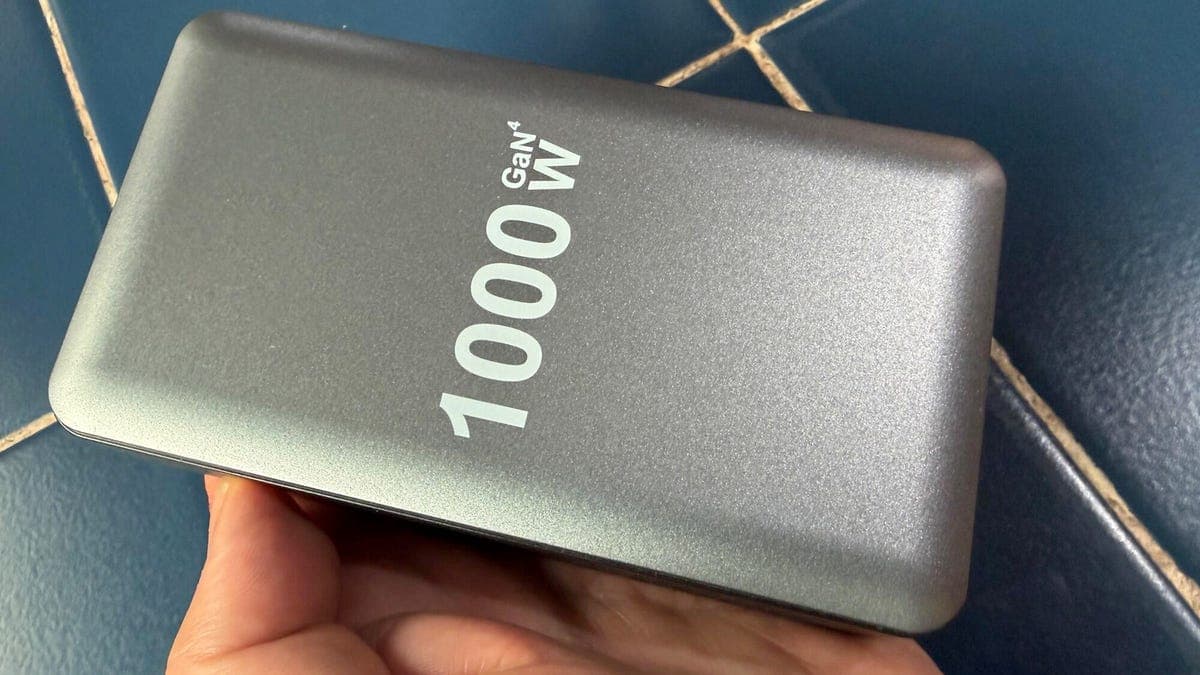
A portable charger advertised as 1000W failed within minutes of use. The owner opened it up to find the cause. What they discovered points to a widespread issue with inflated power claims in portable power stations.
The device, marketed as a high-capacity backup battery, stopped delivering power almost immediately after a light load was applied. The user described it as a 'too good to be true' product and decided to investigate.
What the Teardown Revealed
Inside the charger, the components told a clear story. The battery cells were undersized for a true 1000W output. The wiring and connectors showed signs of overheating. A sticky, gooey residue around the main circuit board indicated thermal runaway or failed solder joints.
The advertised power rating was likely a peak or short-duration spec, not a continuous output. In reality, the charger could only sustain a fraction of that wattage before its internals gave out. The goo was a melted component, likely a poor-quality MOSFET or regulator.
Why This Matters
Consumers buying portable chargers for camping, emergencies or off-grid work rely on accurate specs. A battery that fails under a modest load can leave users without power when it matters most.
This is not an isolated case. Many budget-friendly portable power stations list maximum power figures that are unrealistic for sustained use. Marketing often highlights peak wattage while burying continuous output limits in fine print.
The practical impact is clear: a buyer who expects 1000W might get 300W or less in real-world use. That difference can mean the difference between running essential devices and facing a dead battery.
How to Avoid Overstated Power Claims
Look for continuous output ratings, not just peak. Check reviews that test real-world performance. Open-minded buyers should also verify the capacity in watt-hours, not just watts. A high wattage rating on a small battery is a red flag.
Reputable brands usually list continuous and surge ratings clearly. Avoid products with vague specifications or extremely low prices for the claimed power. The old rule applies: if it seems too good to be true, it probably is.