Editor: Porcia Akua Holmes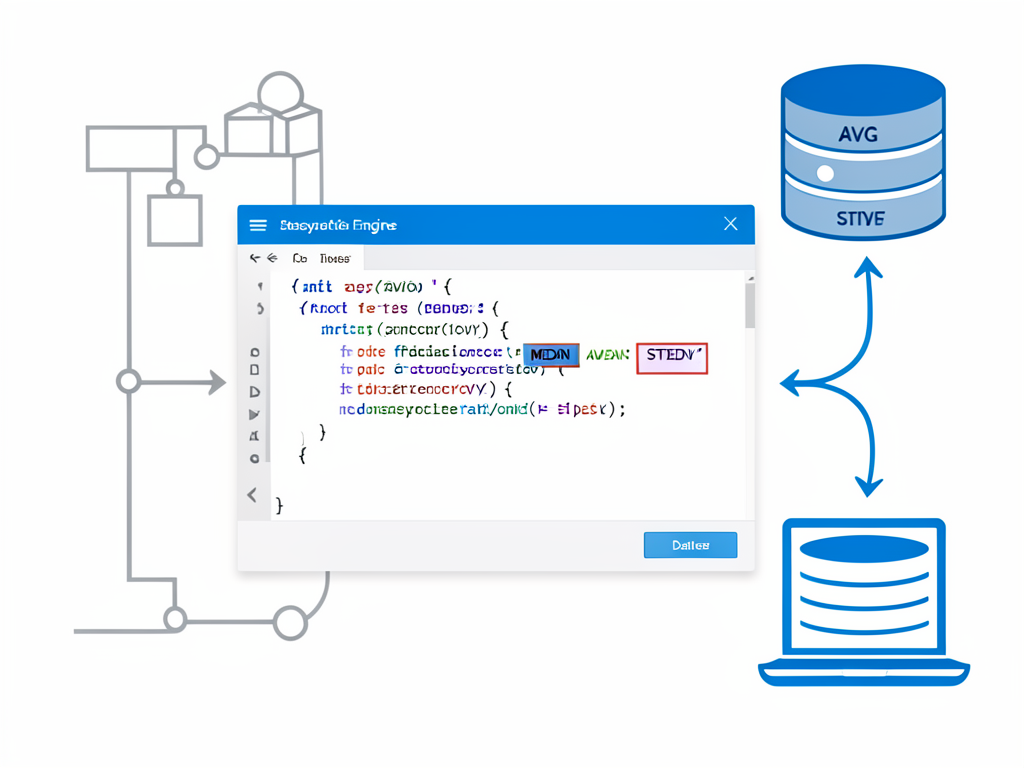
Data analysts and engineers no longer need to move large datasets to external tools for basic statistical summaries. A new open-source initiative, discussed extensively on Hacker News, brings common statistical functions directly inside SQL queries, allowing calculations to run where the data lives.
A Solution for Data Workers
The project integrates statistical operations such as mean, median, standard deviation and linear regression as native SQL functions. This eliminates the traditional pipeline of exporting data to Python or R for analysis, only to import results back. The tool works with popular databases including PostgreSQL, MySQL and SQLite, and does not require changes to existing schemas.
Key features of the new approach include:
Why This Matters
For organizations managing terabytes of data, the cost of exporting subsets for analysis can be significant in both time and infrastructure. By moving statistical work into the database, teams can iterate faster and reduce the complexity of their data pipelines. This shift is especially relevant for real-time dashboards and reporting systems where every second of latency matters.
The project also lowers the barrier for non-specialist analysts who may not be comfortable with Python or R. SQL remains the most widely taught database language, and extending its capabilities means more team members can contribute directly to data-driven decisions without relying on a separate analytics team.
Industry Context
This tool joins a growing ecosystem of in-database analytics solutions. Competitors include database-specific extensions like PostgreSQL's statistical aggregates, DuckDB's built-in analytics functions and cloud providers' native ML integrations. The trend reflects a broader move toward pushing computation to the storage layer, reducing data movement and improving security by keeping sensitive information within the database environment.
The approach also aligns with modern data stack architectures such as the lakehouse model and stream processing. By offering statistical functions that work across multiple database engines, this project aims to be a vendor-neutral option for teams that use heterogeneous data stores.
Limitations and Next Steps
The current version focuses on fundamental descriptive statistics and basic regression. More advanced techniques such as clustering, time-series decomposition or Bayesian methods are not yet supported. The maintainers have indicated plans to expand the library based on community feedback, with a roadmap that includes hypothesis testing functions and integration with distributed databases.
As with any database extension, users should evaluate performance impact on production workloads. The project recommends testing on staging environments and monitoring query execution times before wide deployment.