Senior Editor: Alan Agbele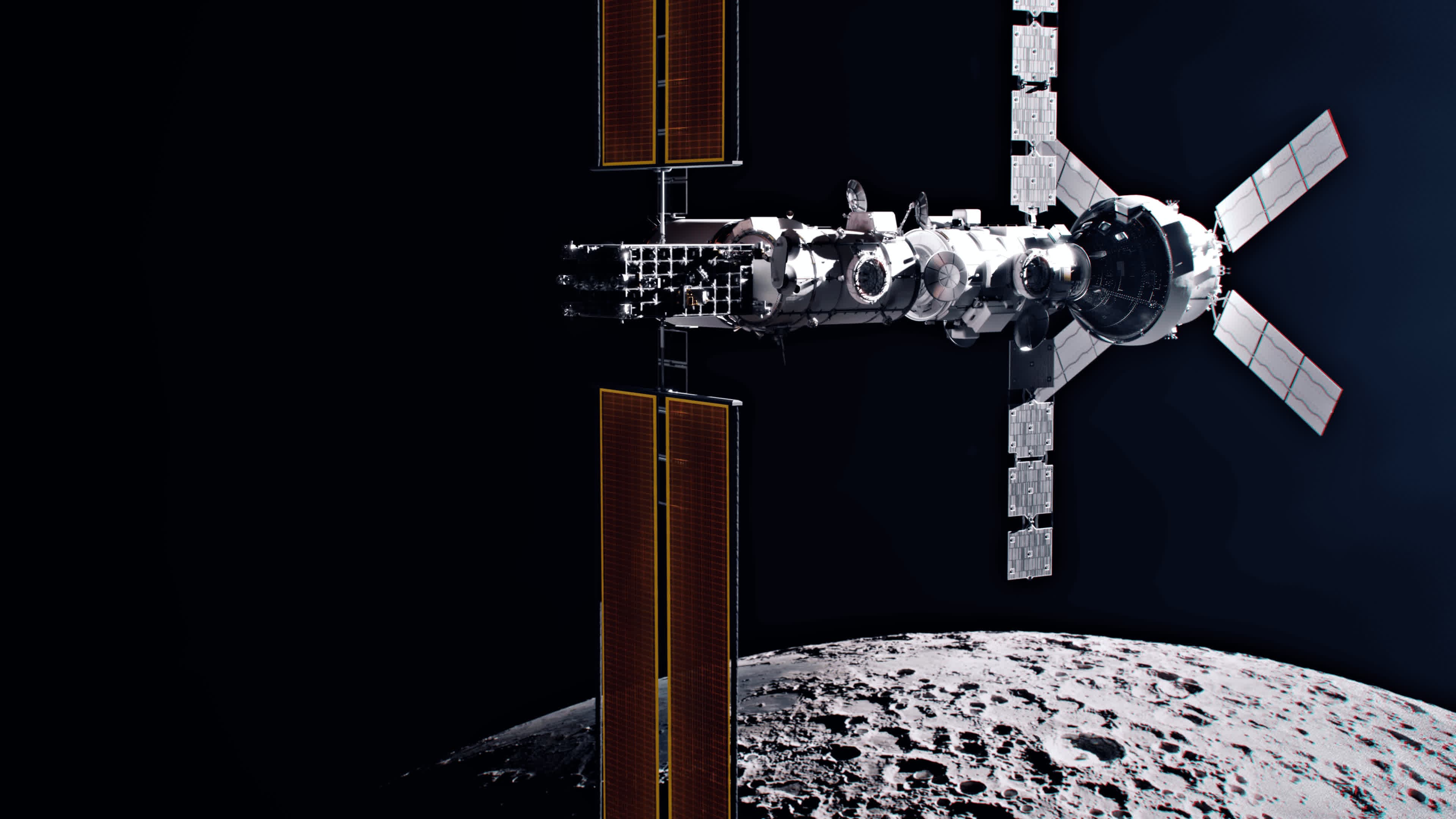
As NASA pushes forward with plans to build the Gateway outpost in lunar orbit, a new challenge demands attention: how to keep spacecraft from colliding in the Moon's complex gravitational environment. A team from Texas A&M University, NASA's Johnson Space Center and Purdue University has proposed a mathematical flight manual designed to manage traffic at what could become humanity's first extraterrestrial airport.
The Challenge of Lunar Traffic
Unlike spacecraft in Earth orbit, vehicles operating near the Moon must contend with an irregular gravitational field that makes simple orbital paths unstable. Gateway itself will occupy a near-rectilinear halo orbit, a looping path that offers stability but requires careful navigation for any arriving or departing craft. The new framework from the research team provides a set of protocols to prevent conflicts as traffic increases around the lunar station.
Key Elements of the Proposed Framework
The mathematical rules cover several critical aspects of traffic management. These elements aim to create a predictable, safe environment for all vehicles operating in the vicinity of Gateway.
Why This Matters
The establishment of traffic rules for Gateway sets a precedent for all cislunar operations. As more nations and private companies plan missions to the Moon, a standardized regulatory framework will be essential to prevent conflicts and ensure safe access. This development could influence international space law and the operational norms for commercial spaceflight beyond low Earth orbit. Without these rules, the dream of a bustling lunar economy could quickly turn into a dangerous free-for-all. The mathematical foundation laid by this team offers a path toward order in the final frontier.