Editor: Porcia Akua Holmes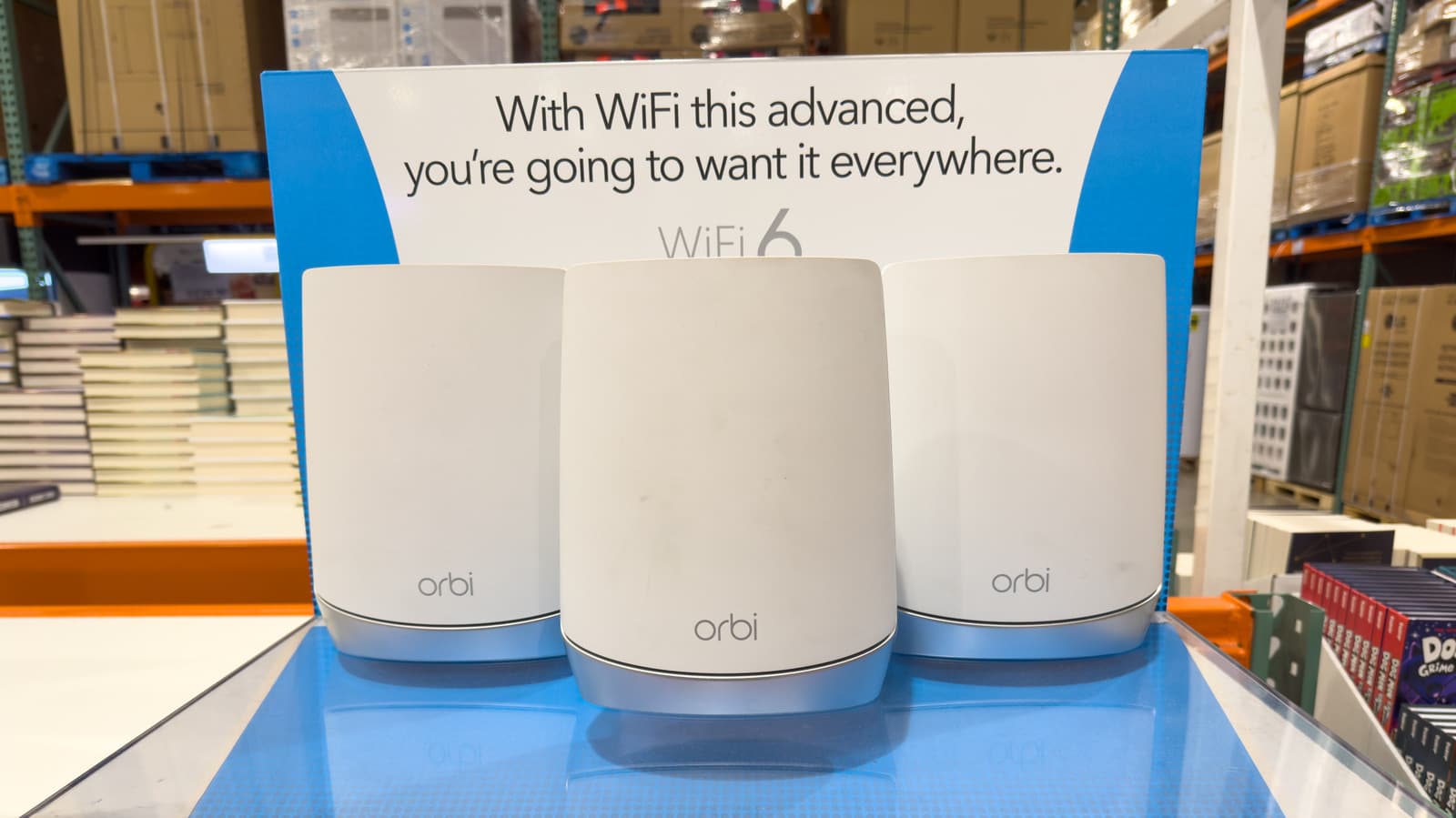
Netgear's Orbi 970 series, the latest in its premium mesh system lineup, has sparked the question: What Makes Netgear's Orbi Mesh System So Expensive? The answer lies in a combination of cutting-edge hardware, tri-band capabilities and a design built for the largest homes. Priced around the same as leading flagship smartphones, the Orbi 970 targets users who demand uncompromising speed and coverage.
Technology Behind the Price Tag
The Orbi 970 employs a dedicated backhaul radio that preserves bandwidth for connected devices, a feature uncommon in midrange mesh systems. Each satellite uses multiple high-gain antennas and beamforming to maintain strong signals through walls and floors. The system also supports Wi-Fi 7, which offers faster speeds and lower latency compared to previous generations. These technical choices increase manufacturing costs substantially.
Market Position and Competition
Netgear positions the Orbi brand as a premium solution for large homes and tech-savvy users. Competitors such as TP-Link's Deco line and Asus's ZenWi-Fi offer similar specs at lower prices, but often compromise on range or build quality. The Orbi 970 includes advanced security features and a sleek design, which appeal to buyers who value aesthetics and ease of use. The high price also reflects Netgear's investment in firmware updates and customer support, areas where budget brands sometimes fall short.
Why This Matters
The Orbi 970's pricing signals that the home networking market is diverging into two distinct segments: mass-market mesh systems under $300 and premium systems approaching $2000. For consumers, this means that high-performance home Wi-Fi is becoming a luxury product, accessible mainly to those with substantial budgets. The shift may push competitors to add more entry-level high-end features, but it also risks widening the digital divide in internet quality. As more households rely on streaming, remote work and gaming, the gap between basic and premium connectivity will have real practical consequences. Netgear's strategy reinforces that top-tier performance now comes with a top-tier price, making it essential for buyers to assess whether they truly need that level of capability.