Senior Editor: Alan Agbele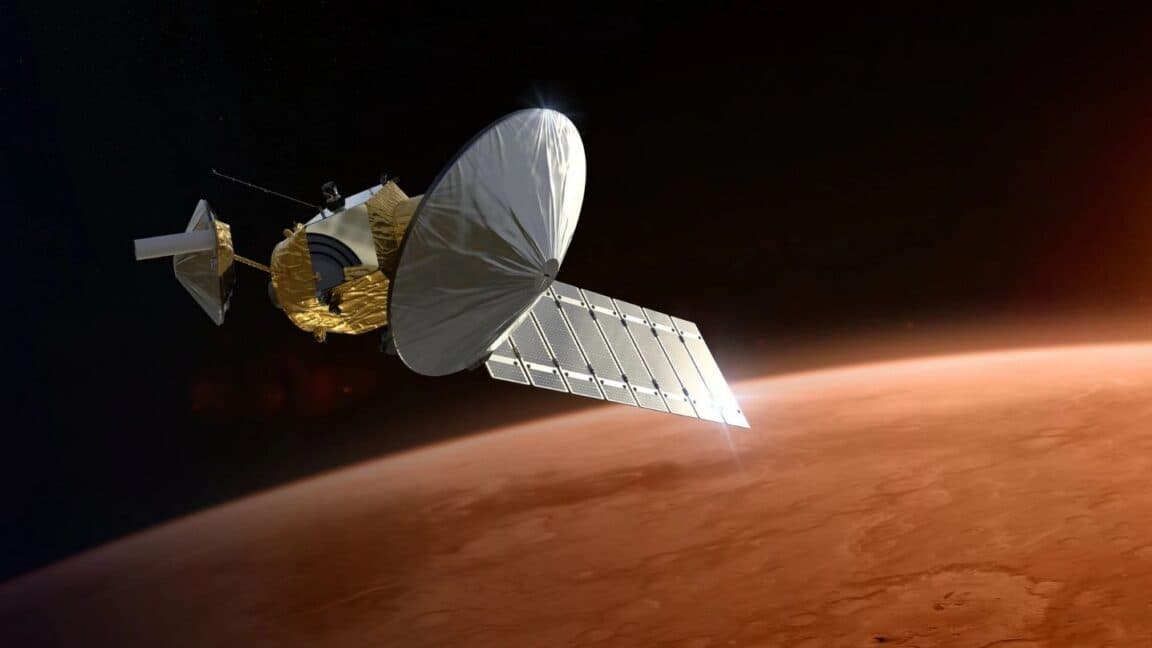
New Mars Orbiter Contract Raises Stakes
NASA released a contract solicitation for a new Mars-orbiting spacecraft late last week. The procurement has already attracted attention from two U.S. senators. At its center is $700 million in appropriated funds. The spacecraft would serve as a communications relay between Earth and Mars. It would also provide navigation support for future landers and rovers.
The contract could do more than just provide relay services. It may also offer a path to revive the Mars Sample Return mission. NASA canceled that mission earlier this year due to cost overruns and schedule delays. The new orbiter could serve as the communications link needed to bring samples back to Earth.
Competition or Favoritism?
NASA says the acquisition will be conducted as a full and open competition. But several people involved in the process are asking whether that is true. The question could turn the procurement into a messy political fight.
The solicitation comes with a cloud of questions. Two senators have already expressed concerns. They worry the process may favor one contractor over others. They have requested additional documentation from NASA about how the competition will be managed. The outcome could shape the future of U.S. Mars exploration for decades.
At stake is not just $700 million. The spacecraft would be a critical link in any future Mars missions. Without it, data from the surface would have no reliable path back to Earth. The winning contractor would gain a strategic advantage for years to come.
NASA expects to award the contract within the next 12 months. The agency has not disclosed how many companies have expressed interest. Industry insiders say at least three major aerospace firms are likely to bid. The competition is expected to be intense.
Why This Matters
This contract will determine who controls the communications backbone for Mars exploration. The winning contractor gains a strategic position for future missions. Taxpayers have a direct stake in ensuring the competition is fair and the funds are spent wisely. The decision could also determine whether the Mars Sample Return mission gets a second chance. That mission would bring rock and soil samples from the red planet to Earth for the first time.
For scientists, the stakes are enormous. The samples could contain evidence of past life. For the space industry, the contract represents a major business opportunity. For Congress, it is a test of oversight and accountability. The debate over this contract is likely to intensify in the coming months. The planetary science community is watching closely.