Senior Editor: Alan Agbele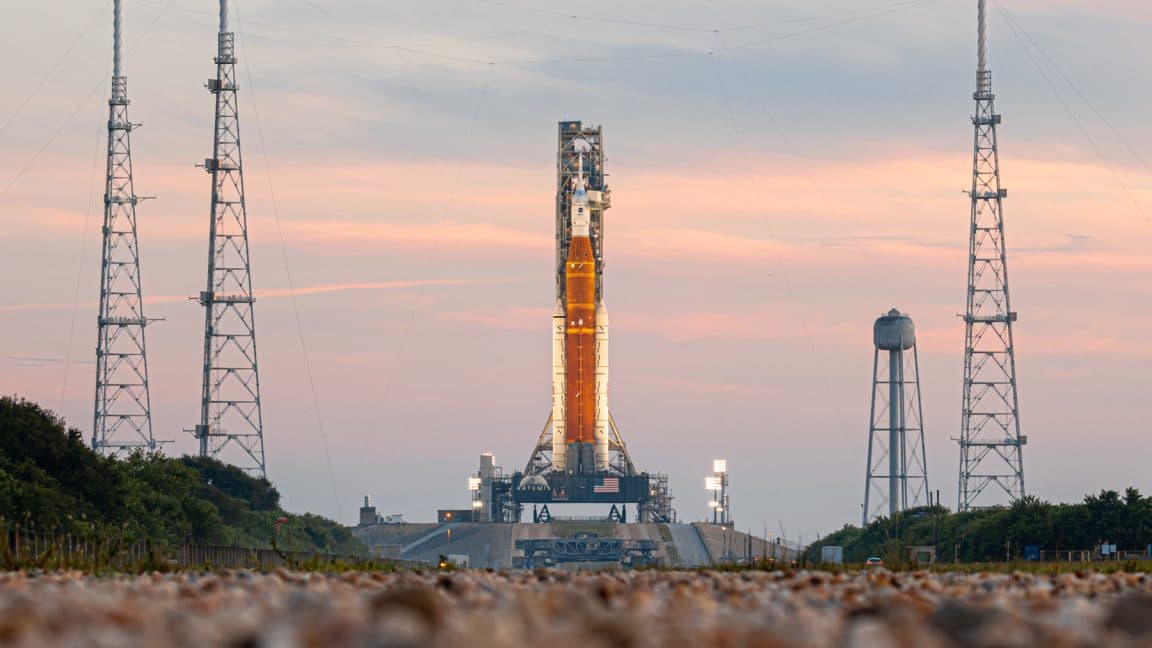
A new report from NASA's Office of Inspector General delivers a stark warning about the state of the agency's launch facilities. The crown jewel of American spaceports, Kennedy Space Center in Florida, is approaching a critical capacity limit as it struggles to accommodate the next generation of super heavy lift rockets.
Aging Infrastructure Meets Growing Demand
The report, which examines NASA's launch infrastructure at Kennedy Space Center and the Wallops Flight Facility in Virginia, finds that decades-old systems are being pushed to their breaking point. Private companies including SpaceX and Blue Origin rely on these facilities for their most complex missions. Yet the infrastructure is dated and often lacks the capacity to serve the agency and its commercial partners effectively.
At the heart of the concern is the arrival of super heavy rockets like SpaceX's Starship and Blue Origin's New Glenn. These vehicles require larger pads, more powerful fueling systems and upgraded handling equipment. NASA's current setup was not designed for such massive launch vehicles.
Why This Matters
The stakes go beyond convenience. If Kennedy Space Center cannot support the launch cadence demanded by Starship and New Glenn, it could delay critical missions for NASA and its partners. That includes crewed lunar landings, satellite deployments and scientific probes. The commercial space industry is accelerating rapidly, and infrastructure bottlenecks threaten to slow momentum.
The report also notes that growing demand from multiple operators is straining resources. Scheduling conflicts, wear and tear on equipment and the need for specialized modifications all add pressure. Without significant investment, the spaceport risks becoming a chokepoint for the entire US space program.
What the Report Recommends
The Inspector General's office calls for increased funding and strategic planning. It recommends NASA develop a long-term infrastructure modernization roadmap. The agency must coordinate with commercial partners to prioritize upgrades that will serve the widest range of missions.
Meeting these needs will require billions of dollars and years of work. NASA currently faces budget constraints that could delay or scale back the necessary improvements.
The Bigger Picture
This report is part of a broader pattern. As the space industry shifts toward larger, reusable rockets, ground infrastructure worldwide is playing catch-up. From Texas to Florida to California, spaceports are racing to modernize. Kennedy Space Center's role as a primary launch site makes its readiness a national priority.
Without action, the United States risks ceding its leadership in launch capability at a time when global competition is intensifying. The report is a clear signal that paper plans are no longer enough. Concrete investment must follow.