Senior Editor: Alan Agbele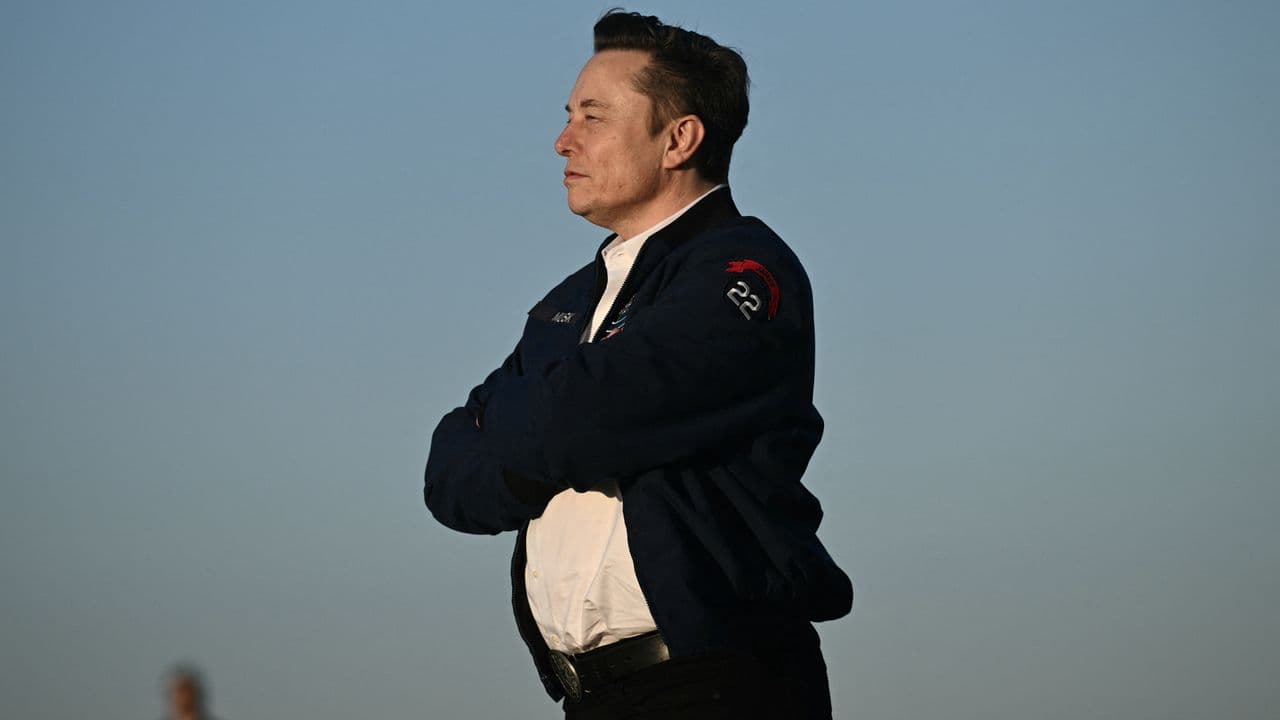
The Federal Trade Commission has cleared Elon Musk to acquire Mesh Optical Technologies, a startup developing light-based networking hardware for data centers. FTC records published June 25 show early termination of the antitrust review, removing the last regulatory hurdle for the deal.
Why Musk Wants Mesh Optical Technologies
Mesh Optical Technologies was born from the team behind Starlink's optical communication system, which links thousands of satellites in orbit. The same physics that work in space also apply inside data centers. Light carries more data over longer distances with less power than copper. As AI clusters expand to hundreds of thousands of GPUs, that efficiency becomes essential.
Musk's AI ambitions require massive compute capacity. His xAI company operates the Colossus supercomputer with over 200,000 Nvidia accelerators and plans a second phase targeting 1 million GPUs. The GPUs themselves, however, represent only part of the problem. Moving data between them creates a bottleneck the industry calls the I/O wall. Optical interconnects bypass this wall by using fiber instead of copper cables, which suffer from signal degradation at high speeds beyond a meter or two.
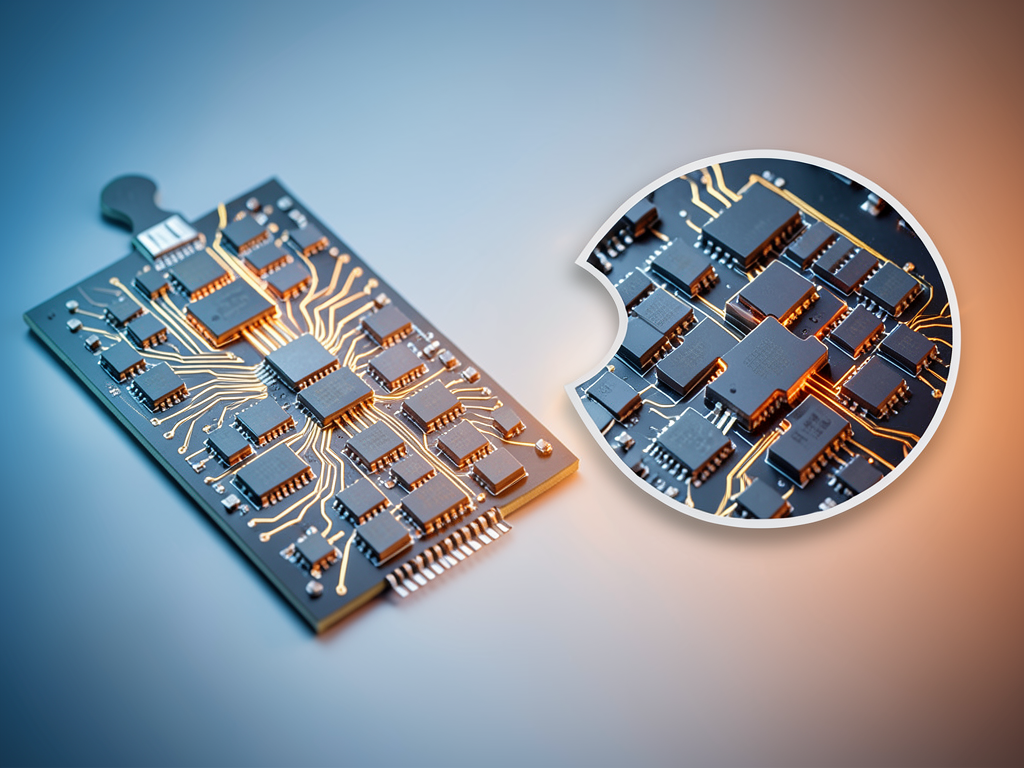
While the acquisition is not yet final, the FTC's green light signals it will proceed. Mesh has developed optical hardware designed to replace copper links in AI clusters, directly addressing the scaling challenge.
Vertical Integration Meets Optical Networking
Musk's strategy mirrors his approach to SpaceX and Tesla. He builds key components in-house rather than relying on outside suppliers. The Terafab semiconductor facility in Austin, Texas, aims to produce custom AI chips at unprecedented scale. Mesh fits into this stack by supplying the networking layer that ties those chips together.
SpaceX, Tesla and xAI are collaborating on Terafab with the goal of delivering over 1 terawatt of AI compute capacity annually. The facility will handle logic fabrication, memory packaging and testing under one roof. Adding Mesh gives Musk control over the optical interconnects that will link those chips, completing a vertically integrated AI hardware pipeline that few competitors can match.
Why This Matters
The acquisition signals that optical interconnects have become a strategic asset in the AI arms race. Hyperscalers like Amazon, Google and Microsoft are also investing heavily in optical technology, but Musk's vertical integration gives him a potential cost and performance advantage. By owning the interconnect layer, Musk can optimize the entire data pipeline from chip to fiber.
The move also tightens the relationship between SpaceX and xAI. Mesh's founders came from SpaceX's Starlink team, and the acquisition may accelerate cross-pollination between satellite networking and ground-based AI clusters. As AI models grow larger, the ability to move data efficiently between millions of processors will determine which companies can afford to train the next generation of frontier models.
The deal, however, also raises questions about market concentration. Musk already controls a vast array of AI hardware and software assets, and adding Mesh extends his influence over a key infrastructure market. Regulators may watch closely as he integrates the startup into his growing empire.