Editor: Porcia Akua Holmes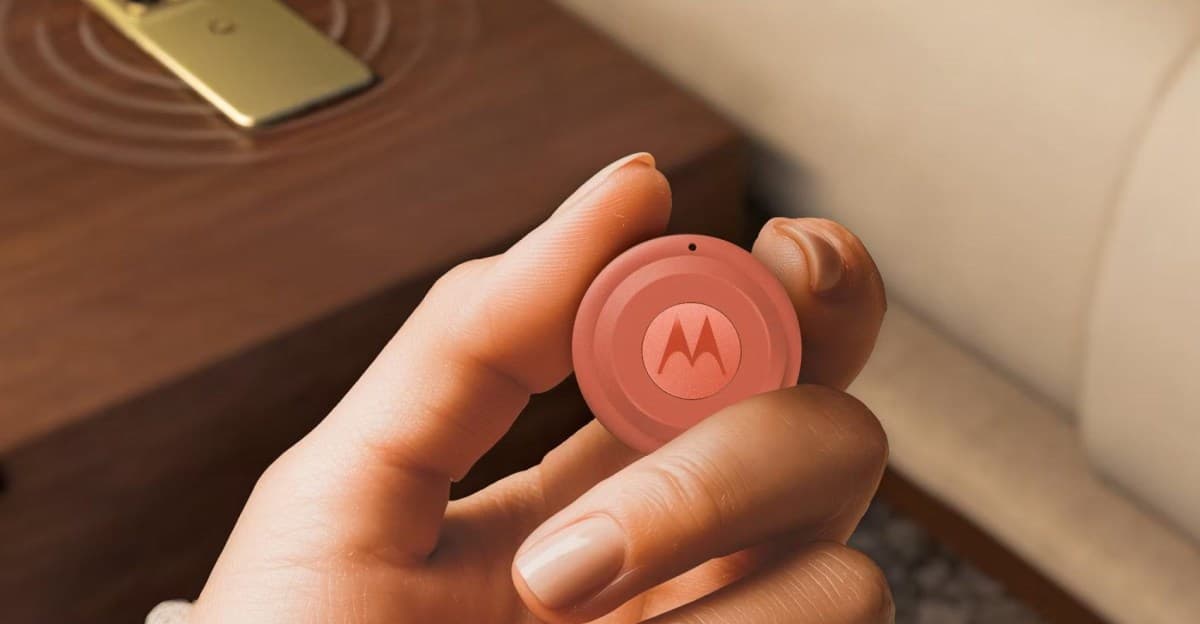
Motorola's Moto Tag 2, first revealed at CES 2026, has officially launched in the United States. The Bluetooth tracker arrives with ultrawideband (UWB) technology for precise location finding, a feature typically reserved for higher-priced competitors. At an introductory price of $19.99 for a single unit and $69.99 for a four-pack, the Tag 2 positions itself as a budget-friendly yet capable option in the Android tracker market.
Key Specifications and Features
The Moto Tag 2 brings several upgrades over its predecessor. It carries an IP68 dust and water resistance rating, allowing it to survive submersion. The built-in speaker can emit a 77-decibel ring for locating lost items. A physical button on the tracker can be customized through the Moto Tag app to trigger phone-finding, camera shutter, or other actions.
Market Positioning and Competition
The Android Bluetooth tracker space has long been dominated by Samsung's Galaxy SmartTag line and third-party options like Tile. Motorola's entry with UWB at a sub-$30 price point directly challenges the notion that precise tracking must carry a premium. Google's Find Hub network, which the Moto Tag 2 uses, provides a large crowd-finding infrastructure similar to Apple's Find My network. This gives Android users a viable alternative without being locked into a single phone maker's ecosystem.
Why This Matters
The Moto Tag 2 signals a shift in the tracker market toward making advanced features more accessible. UWB technology, once limited to flagship accessories like the Apple AirTag, is now appearing in budget-friendly trackers. This could pressure competitors to lower prices or add similar capabilities to stay relevant. For Android users, the arrival of a well-rounded, affordable UWB tracker means greater choice and lower cost for keeping tabs on keys, bags and other belongings. Motorola's aggressive pricing also suggests the company aims to capture a meaningful share of the accessory market early in the product's lifecycle.