After a month of daily use, the Motorola Edge 70 Fusion makes a strong case that buyers do not need to spend flagship money for premium features. The phone delivers a polished design, a vibrant display and a battery that easily lasts a full day. It goes head to head with devices like the iPhone 17e and Samsung Galaxy A57 but undercuts them by hundreds of dollars.
A Design That Looks and Feels Expensive
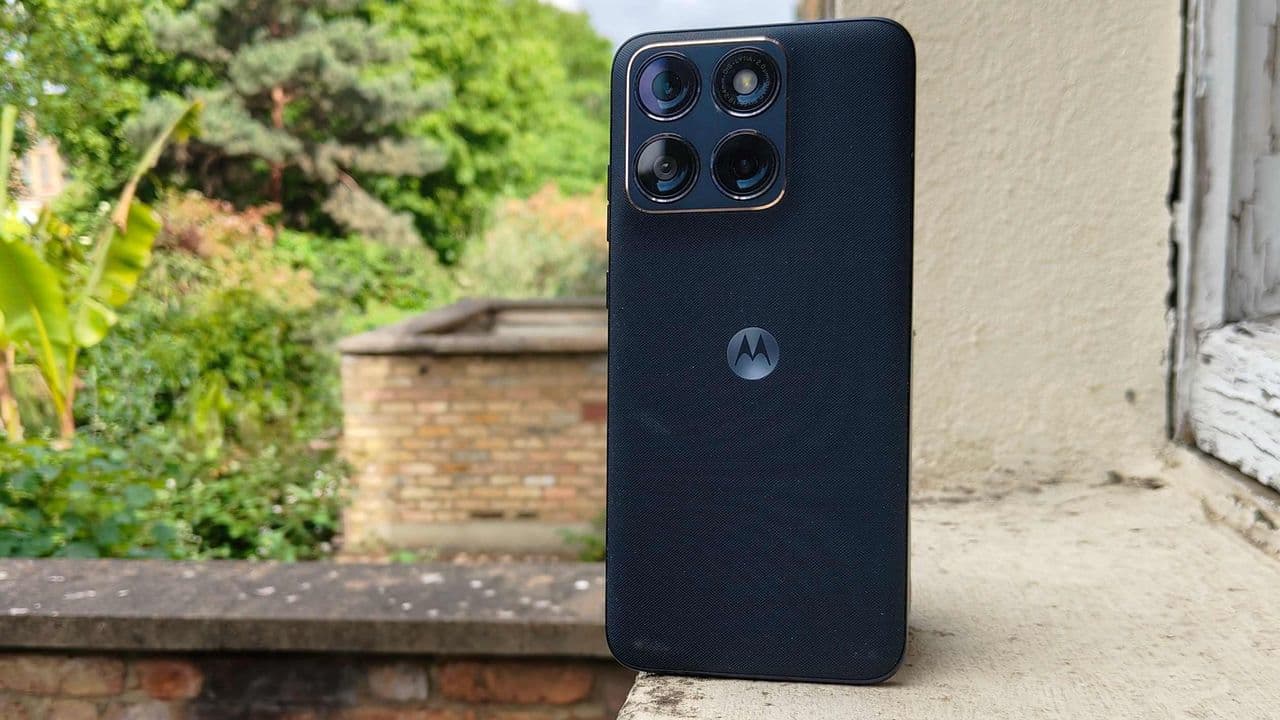
The Edge 70 Fusion uses a glass front and a vegan leather back that gives it a tactile, high-end feel. The frame is plastic but the overall build quality rivals phones that cost twice as much. Motorola offers several color options, and the camera bump is subtle. The phone is also IP68 rated, meaning it can survive dust and water immersion. That level of protection is rare at this price point.
Display and Battery Performance
The 6.7-inch pOLED screen runs at 120Hz and gets bright enough for outdoor use. Colors look punchy, and the bezels are thin. Watching video or scrolling through apps feels smooth. Battery life is a standout feature. The 5000mAh cell easily pushes through a heavy day of use. With moderate use, the phone can last two days. Charging is capped at 68W wired, which refills the battery in about 45 minutes. Wireless charging is not included, which is a tradeoff at this price.
Camera and Software Tradeoffs
The main 50-megapixel sensor captures solid photos in good light. Low light shots are decent but not class leading. A 13-megapixel ultrawide lens doubles as a macro shooter. The software runs a near stock version of Android 14 with Motorola's useful gestures. The phone is promised two major OS updates and three years of security patches. That update policy lags behind Samsung's longer commitment.
Why This Matters
The budget smartphone market is fiercely competitive. Buyers no longer have to accept ugly designs, dim screens or weak batteries to save money. The Motorola Edge 70 Fusion shows that a sub $400 phone can deliver a premium experience. For anyone who prioritizes value over brand prestige, this device challenges the idea that you need to spend $800 or more for a satisfying smartphone experience. It puts pressure on bigger players to justify their higher prices.