Senior Editor: Alan Agbele
A new project posted to Hacker News under the Show HN banner introduces Morph Reflexes, a tool that applies multi-head classifiers to agent traces. The approach aims to give developers deeper insight into how AI agents make decisions by breaking down their execution paths into parallel classification streams.
A New Lens on Agent Behavior
Agent traces capture every action an AI agent takes, from API calls to internal reasoning steps. Interpreting these traces is critical for debugging, but traditional single-classifier models often flatten the complexity into a single label. Morph Reflexes instead assigns multiple classifiers, each focused on a distinct aspect of the trace such as intent, tool usage or error type. This multi-head design lets developers examine an agent’s behavior from several angles simultaneously.
How the Tool Works
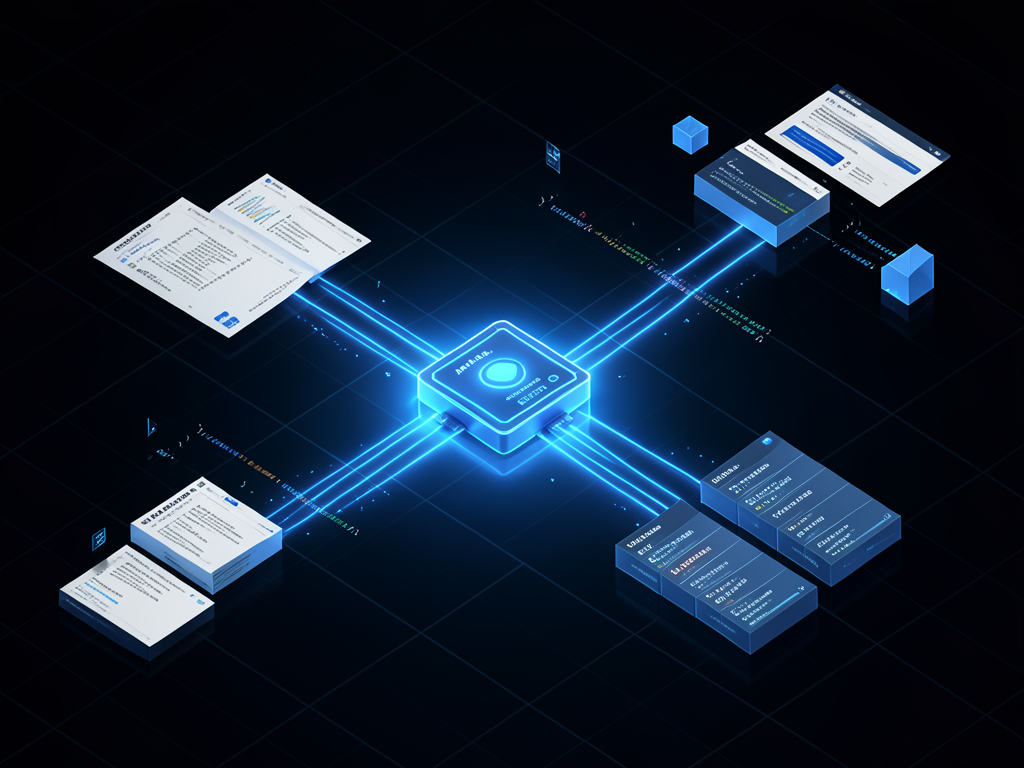
The system ingests raw agent traces and routes them through separate classification heads. Each head is trained to recognize a specific pattern or anomaly. The results are then combined into a unified profile of the agent’s performance. For example, one head might flag inefficient loops while another identifies unauthorized data access. Key features include:
Why This Matters
As AI agents become more autonomous, the ability to audit their decisions grows in importance. Morph Reflexes offers a way to catch subtle failures that single-metric approaches might miss. For developers building production agents, this tool could reduce debugging time and improve reliability. It also lowers the barrier to entry for teams that lack dedicated monitoring infrastructure, since the project is open-source and can be integrated into existing workflows. The multi-head approach may eventually influence how agent observability tools are designed across the industry.
Broader Implications for Agent Development
The project reflects a wider shift toward modular observability in AI systems. Rather than treating trace analysis as a monolithic task, tools like Morph Reflexes break it into specialized components. This pattern mirrors the evolution of static code analysis, which moved from single linters to multi-tool pipelines. If the approach gains traction, it could lead to a ecosystem of interchangeable classification heads tailored to different agent frameworks and safety requirements.