Editor: Porcia Akua Holmes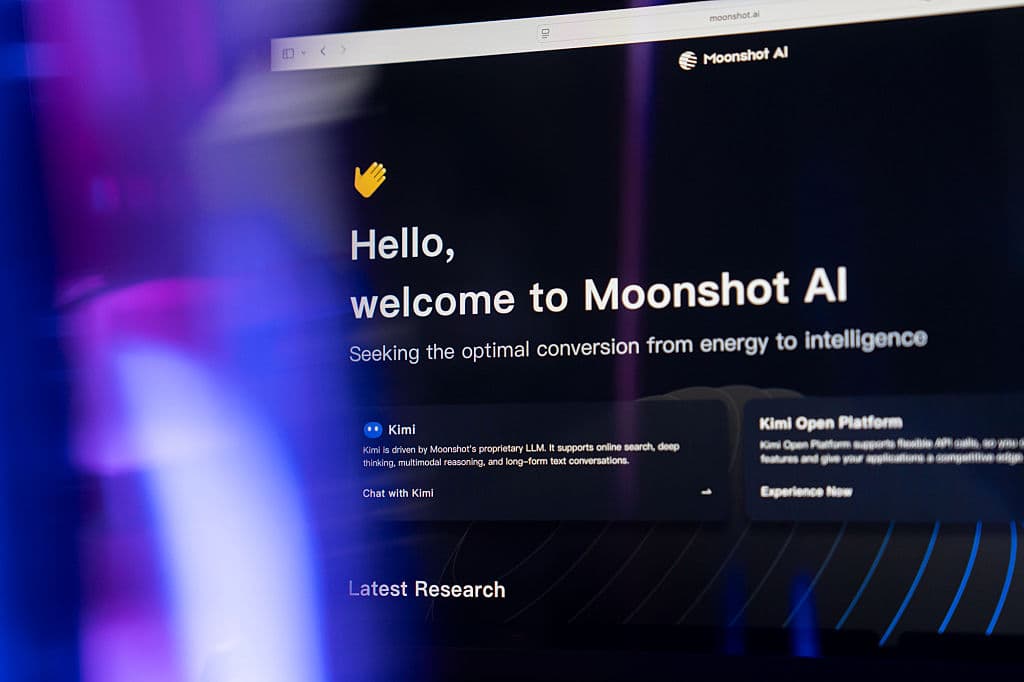
Moonshot AI’s latest iteration of its Kimi language model has reignited debate over China’s ambitions in artificial intelligence, with critics warning the technology could serve as a tool for state surveillance and propaganda. The release this week positions Kimi as a direct competitor to Western models, but it also carries a political charge that goes beyond technical benchmarks.
What Kimi Brings to the AI Arms Race
Kimi’s capabilities reportedly include advanced text generation, multilingual support and integration with Chinese digital ecosystems. Moonshot AI has emphasized the model’s efficiency, claiming it can run on less powerful hardware than many Western competitors. That engineering focus, however, does not mask the underlying concern: a sophisticated model under Chinese governance.
The Reaction and the Risks
International observers have framed the release not as a purely commercial event but as a strategic one. Critics argue that Kimi, like other Chinese AI systems, could be adapted for censorship, social scoring or mass surveillance. The word Threat appears frequently in analytical reports, reflecting a bipartisan worry in Washington that advanced AI models from China may undermine democratic institutions. Moonshot AI, for its part, has denied any political agenda and insists its focus is research and commercial applications.
Why This Matters
The implications extend far beyond a single model. If Kimi achieves widespread adoption in China and allied markets, it could shift the global balance of AI influence. Western companies and governments will face pressure to accelerate their own efforts while simultaneously crafting new regulations to limit the spread of state-aligned AI. For businesses operating internationally, the choice of which AI ecosystem to adopt will carry geopolitical weight. The Kimi release is not just a product launch. It is a signal that the competition for AI dominance is now deeply entangled with questions of ideology and governance.
What You Need to Know
Business leaders and technologists should monitor how Kimi is deployed in real-world contexts, particularly in sectors like education and public administration. Policymakers may need to revisit export controls and cooperation frameworks. For the average user, the immediate effect is limited, but the long-term trajectory points toward a fragmented digital world where AI tools reflect the values of their country of origin.