Senior Editor: Alan Agbele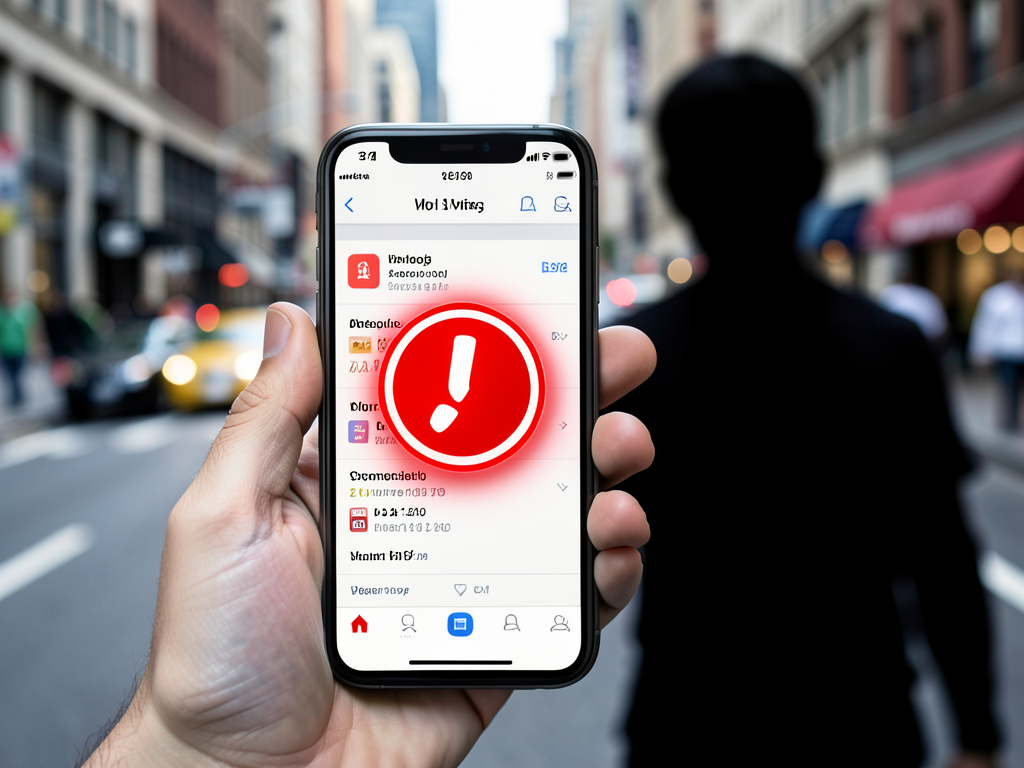
A new report from BioCatch warns that scammers are increasingly turning to mobile devices for banking fraud, with attempts rising 35% over the past year. The research reveals that 90% of all scam attempts now occur via smartphones, exploiting the ease of transferring money through mobile banking apps. Users must beware of the growing threat, as scammers employ sophisticated social engineering and artificial intelligence to deceive victims.
The Rise of Mobile-First Fraud
The proliferation of smartphones and always-on banking apps has created a perfect environment for scammers. Unlike traditional phone or email fraud, mobile scams allow criminals to rush victims through payment processes before they have time to think. Thomas Peacock, Director of Global Fraud Intelligence at BioCatch, noted that artificial intelligence has lowered the barrier to entry for aspiring scammers, enabling more bad actors to create convincing scams at an unprecedented scale.
How Scammers Operate
BioCatch identifies several scam categories that are growing in prevalence. These scams rely on manipulative strategies to push victims into irrational financial panic. Below are the most common types based on the report:
The risk is amplified by the ease of mobile banking. As BioCatch’s Director of Global Advisory Jonathan Frost explained, scammers do not need to break into an account if they can persuade the customer to move the money themselves.
Why This Matters
The shift to mobile fraud means consumers face threats every time they open a banking app. Unlike account takeovers that banks can flag, authorized push payment scams fool the account holder into making the transfer voluntarily. This makes detection far harder. Banks are responding with behavioral intelligence tools that spot signs of manipulation before a transaction is authorized, but the human element remains the weakest link. Without stronger preventative measures, the financial and emotional toll on victims will continue to rise.
What Consumers Can Do
Awareness is the first line of defense. Users should be suspicious of unsolicited calls, messages or pop-ups urging urgent payments. Banks in many jurisdictions are introducing cooling-off periods for high-value transfers, but individuals must also verify requests through official channels. The report underscores that while technology can help, the most effective protection is a cautious mindset.