Editor: Porcia Akua Holmes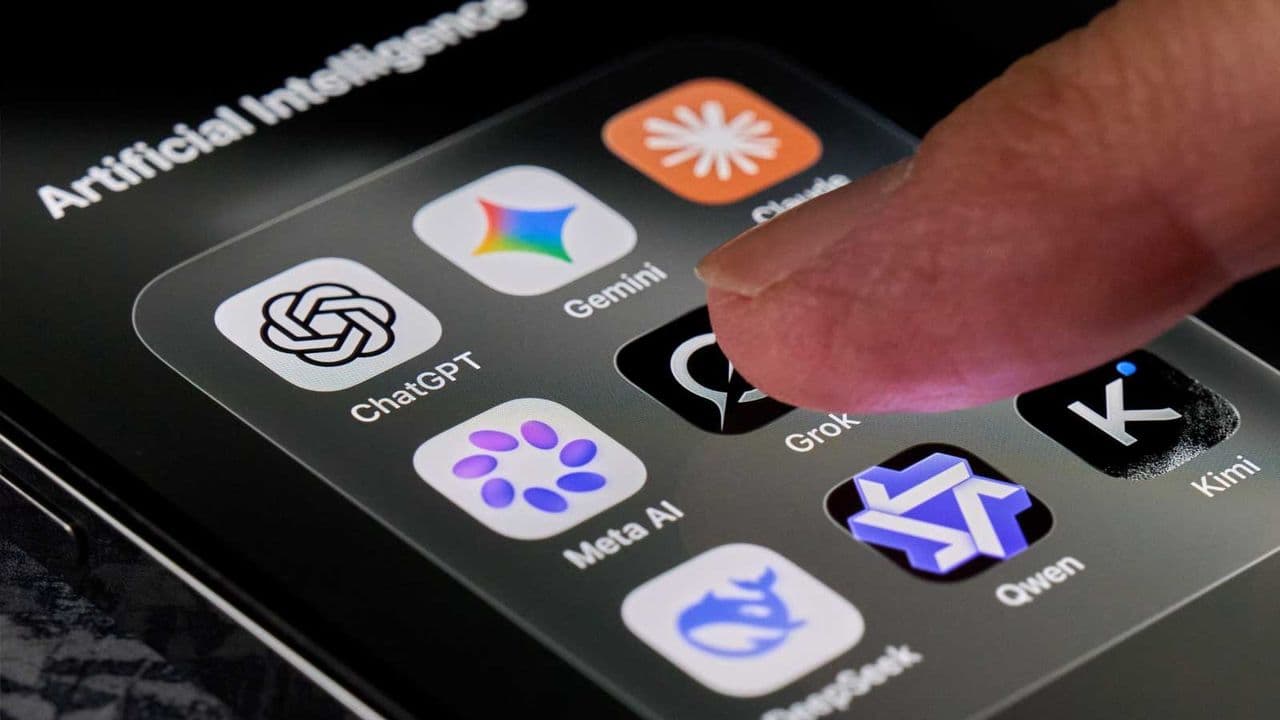
Token prices for frontier AI models have fallen to unprecedented lows, triggering a 25-fold explosion in usage over the past year. The cost collapse has shifted the competitive landscape: mid-tier systems now provide roughly 90% of the capability of the most expensive flagships for a fraction of the price.
From Flagships to Workhorses
For much of the AI boom, the conversation centered on which company held the smartest model. Anthropic’s Claude Fable series, including Fable 5.1, consistently tops intelligence benchmarks. OpenAI’s GPT-5.6 Sol, xAI’s Grok 4.6 and Meta’s Muse Spark 1.3 all score within a few points on the leading index from ArtificialAnalysis. The performance gap at the top remains narrow.
The real disruption, however, has occurred in the mid-range segment. Models from Google, Deepseek (including the But variant) and Meta now offer near-flagship reasoning ability at roughly one-sixth the cost. People are responding by consuming far more tokens. The Jevons paradox is playing out in real time: as the price per token falls, total usage soars.
Why This Matters
The pricing reckoning is not a temporary correction. It represents a structural shift in how AI is built and sold. Companies that cannot reach the Pareto Frontier will lose market share to more cost-efficient competitors. For developers and enterprises, the implication is clear: the smartest model is no longer the best choice. The most cost-effective model that meets the task requirement is now the rational pick.
This trend also raises profitability questions for major labs. OpenAI and Anthropic have publicly acknowledged the need to make AI more affordable, but sustaining that while funding expensive frontier research remains a challenge. The But model from Deepseek illustrates the cost gap: it offers competitive intelligence at a fraction of the price of Claude Fable, yet still struggles to generate profitable revenue per user.
People will continue to increase token consumption as long as the price remains low. The Jevons paradox suggests that demand is elastic enough to absorb even deeper cuts. If costs fall another 50% in the next year, token volume could double again, placing further pressure on infrastructure and margins.
The New Competitive Dynamics
The hierarchy that emerged in 2023 — OpenAI and Anthropic at the top, Google and Meta in the middle, Grok and Deepseek on the periphery — has not changed dramatically. But the center of gravity has shifted. Anthropic still leads the intelligence chart, but its lead is measured in single-digit percentage points. The mid-tier models from Google, Meta and Deepseek are close enough to be viable for most use cases.
Deepseek, in particular, has forced incumbents to respond by slashing cache write pricing. Claude Fable 5.1 now offers a 75% cut in that cost. Even so, the gap between flagship and mid-tier pricing remains wide. The Pareto Frontier continues to be defined by models that deliver high intelligence without the premium price tag.