Senior Editor: Alan Agbele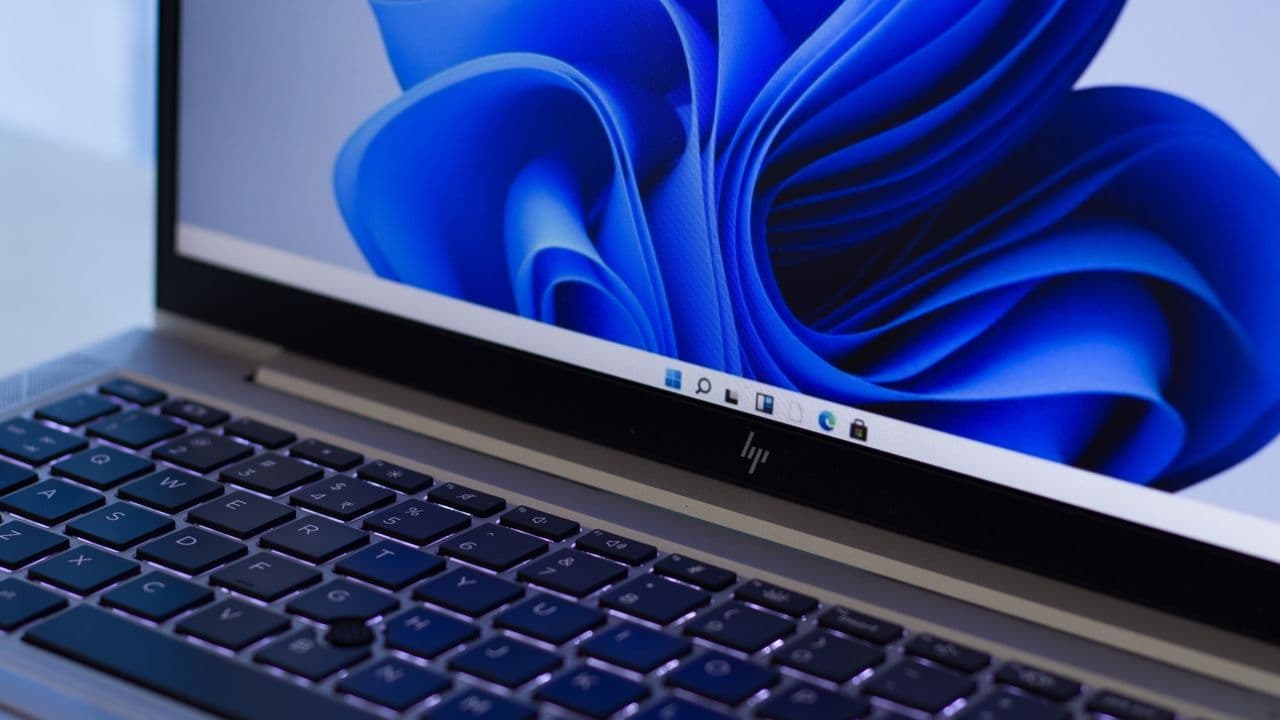
Microsoft has publicly committed to reducing the memory footprint of Windows 11 on systems with 8GB of RAM, an acknowledgment of the ongoing RAM crisis that has forced laptop makers to scale back memory configurations. The promise, detailed in a blog post summarizing the company's campaign to fix Windows 11, signals that the operating system's performance on lower-end hardware has become a pressing concern.
The Memory Optimization Promise
Microsoft explicitly stated it is "Reducing Windows memory footprint" to deliver a fast and responsive experience on 8GB laptops. This is a clear acknowledgment that the RAM crisis is affecting the real-world usability of Windows 11. There is growing pressure from laptop makers who are cutting costs by dropping RAM to 8GB, reversing a trend toward a 16GB baseline. The image of Windows 11 struggling on limited memory has become a common complaint among users.
Four Fixes on the Horizon
Beyond memory optimization, Microsoft outlined three other areas of improvement for the rest of the year. The company is also working to speed up the Windows 11 setup process, make parental controls more accessible, and enhance voice functionality to feel more natural. These fixes are part of the broader campaign that began in March.
Bloatware such as McAfee antivirus often consumes additional memory, exacerbating the problem on 8GB systems. Meanwhile, Windows Update processes can also tax limited RAM, making the promised reductions even more critical.
Why This Matters
This optimization comes late in Windows 11's lifecycle. The operating system should have been better optimized for 8GB from the start, especially given that its minimum requirement is 4GB. The RAM crisis has made the situation worse, but the real damage is to user trust. Consumers who buy 8GB laptops today face a sluggish experience that competitors like Apple have already solved. Reducing Windows memory footprint is a step in the right direction, but it does not address the deeper issue of bloat and inconsistent performance across different hardware configurations. Without further action, the perception that Windows 11 is memory-hungry will persist.