Editor: Porcia Akua Holmes
As AI agents grow more complex, understanding their internal decision-making has become a critical bottleneck. Microsoft released Flint, an open-source visualization language that gives developers a structured way to inspect and debug how agents process tasks.
Transparency as a Design Requirement
Modern AI agents operate as complex pipelines: they take user input, query external APIs, consult memory and generate multi-step responses. Developers building these systems often face a black box problem. Flint addresses that by introducing a visualization layer that captures each step in an agent's decision chain.
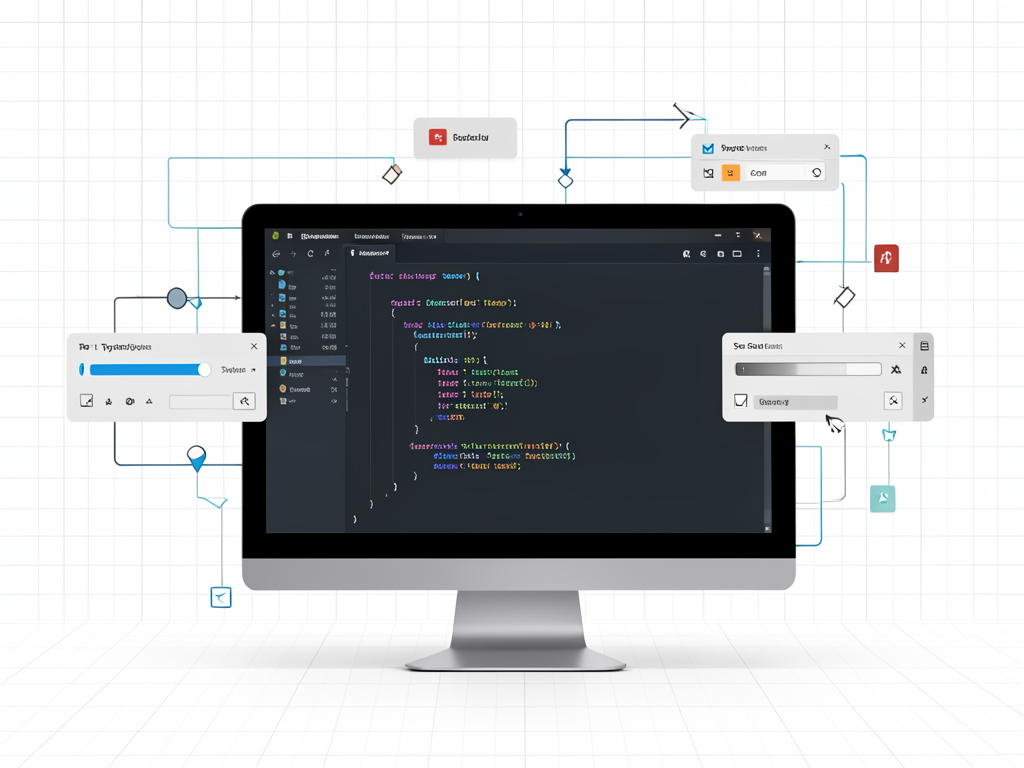
The language works by instrumenting agent code with declarative tags that describe what the agent is doing at each stage. These tags produce structured output that can be rendered into graphs showing tool interactions, token flow and state changes.
Where Flint Fits in the Agent Stack
Flint is not a replacement for existing agent frameworks. It adds a visualization capability that was previously ad hoc. Developers currently debug agents using terminal logs, print statements or custom dashboards. Flint provides a standardized, reusable way to generate those visualizations without manual configuration.
Microsoft released Flint on the Show HN platform last week, and the initial reception from the developer community highlighted its potential for simplifying agent observability. The language integrates directly with Python-based agent runtimes and produces output compatible with standard graph rendering tools.
Why This Matters
AI agents are moving from experimental side projects to production systems in customer support, code generation and data analysis. As they handle more critical tasks, the ability to inspect their reasoning becomes essential for safety and trust. Flint gives developers a shared vocabulary and tool to audit agent behavior, which could accelerate the adoption of agentic workflows in regulated industries such as finance and healthcare. Without such transparency, debugging a multi-agent system where one agent delegates tasks to another becomes nearly impossible. Flint turns that opaque process into a readable diagram, lowering the barrier for both development and compliance review.
What You Need to Know
Microsoft designed Flint to work with any Python-based agent framework. It is available on GitHub under the MIT license. The language documentation includes examples for tracing tool calls, memory queries and nested agent workflows. Developers can install Flint via pip and start instrumenting existing agent code within minutes.