Senior Editor: Alan Agbele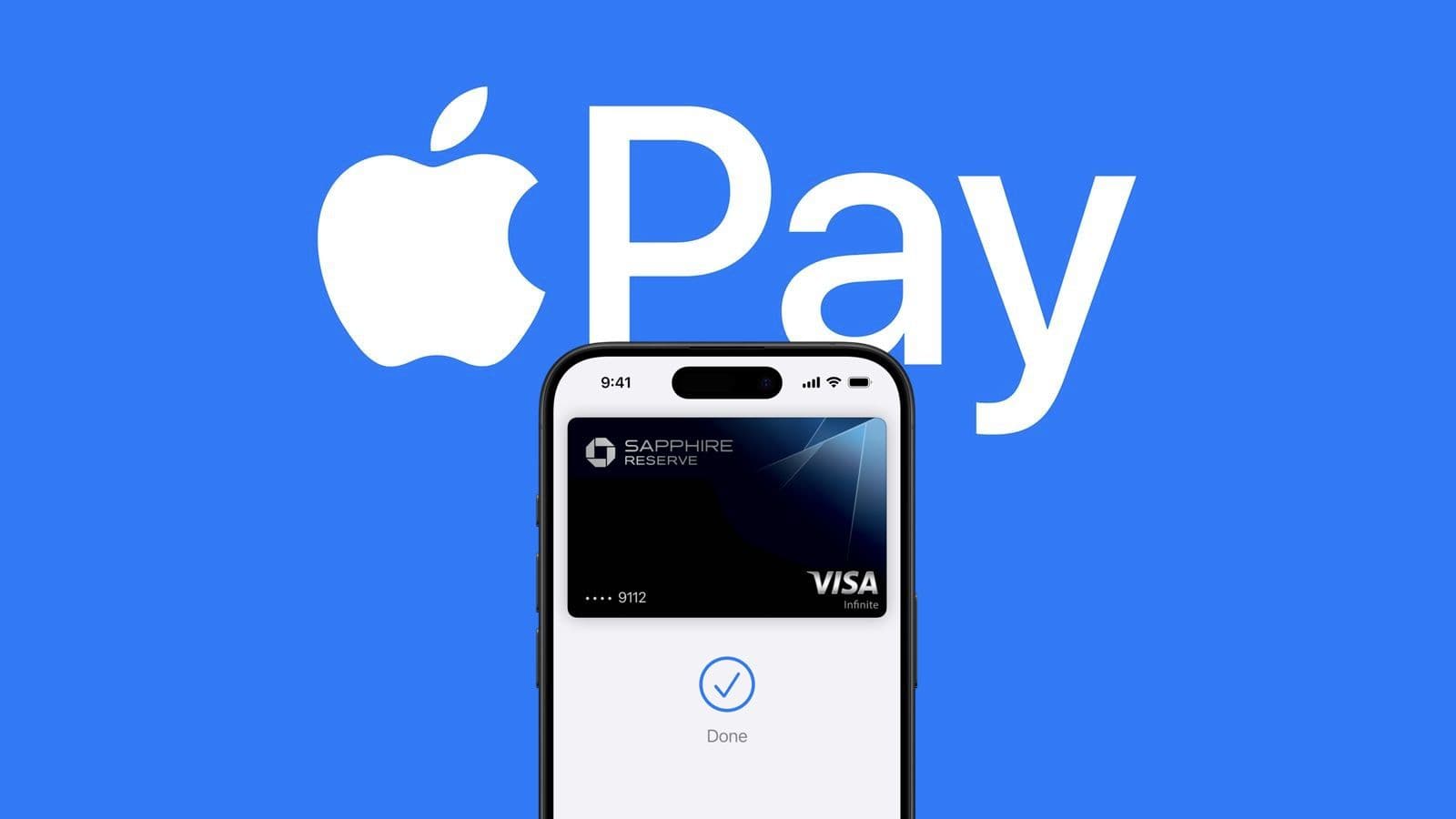
A growing coalition of banks and credit unions is preparing to counter Apple Pay's dominance in mobile payments. The group aims to reduce the transaction fees that financial institutions pay each time customers use Apple's service. This collective effort could reshape the mobile payment landscape by offering an alternative to Apple's platform.
Forming a Unified Front
Banks and credit unions across the United States are joining forces to create a shared digital wallet and payment system. The effort, reportedly in early stages, involves large lenders and major credit union associations. The group wants to offer a payment option that bypasses Apple Pay entirely, letting consumers tap to pay directly from their bank or credit union app.
One key advantage for the coalition is the existing infrastructure of debit and credit cards. By integrating tokenization and near-field communication technology, the new system could work on any smartphone, not just iPhones. This would remove Apple's gatekeeping role and the associated fees.
The Fee Structure at Issue
Apple collects a small percentage of each transaction processed through Apple Pay. For a typical $50 purchase, the fee may be only a few cents, but across billions of transactions it adds up to billions of dollars in annual revenue for Apple. Banks argue that these fees are excessive given that Apple provides minimal processing infrastructure. European regulators have already probed Apple's payment restrictions, and a similar coalition in Australia has pushed for open access.
Why This Matters
If the coalition succeeds, it could significantly dent Apple's services revenue, which has grown steadily as iPhone hardware sales mature. For consumers, a bank-backed payment alternative means more choice and potentially lower costs passed down from merchants. The move also signals a broader pushback against Big Tech control of payment rails. Regulators may take notice, adding pressure for open access to hardware features like the iPhone's NFC chip. The outcome will test whether traditional finance can compete with the seamless user experience that Apple Pay offers.
What Comes Next
The coalition must overcome technical hurdles such as building a reliable tokenization system and ensuring broad merchant acceptance. It also faces the challenge of convincing consumers to download yet another payment app. However, banks hold the advantage of existing customer relationships and trust. They are already working with point-of-sale terminal makers to ensure compatibility. A pilot launch could come within the next 12 to 18 months if development stays on track.