Senior Editor: Alan Agbele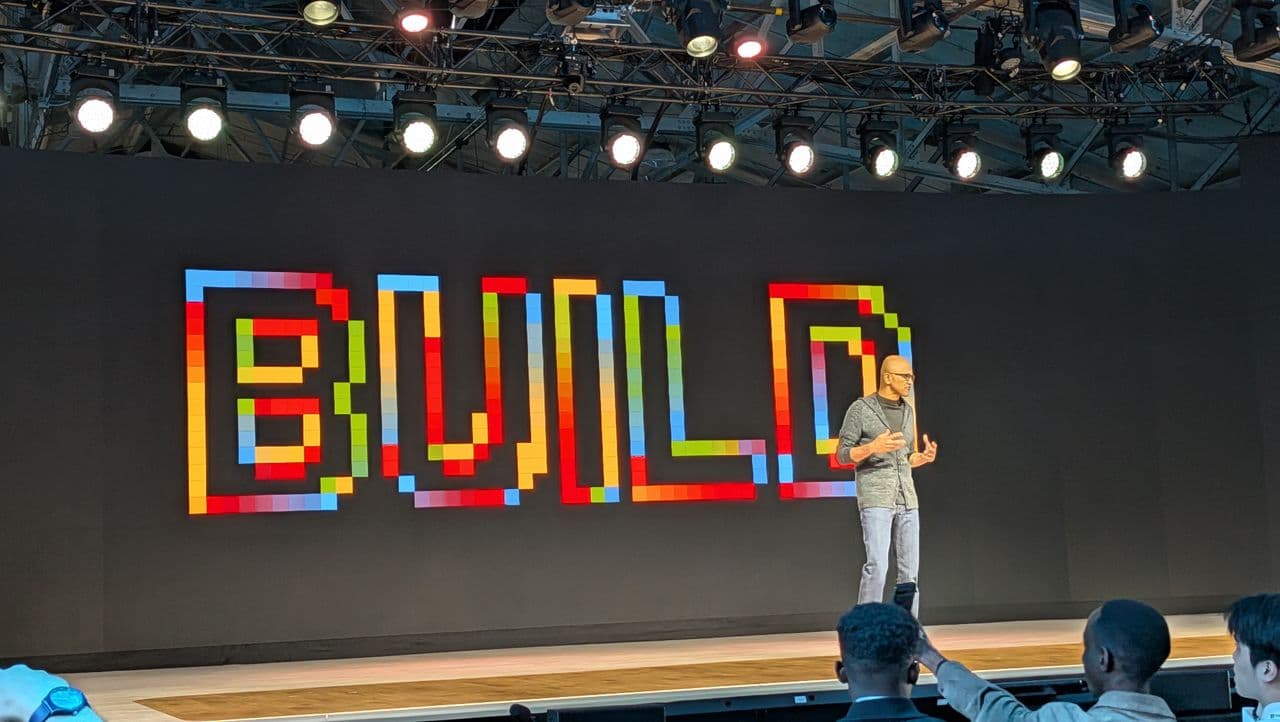
Microsoft used its annual Build conference to lay out a developer roadmap that extends far beyond traditional cloud services. The company introduced new tools for quantum computing, revamped container orchestration, and deeper AI integration across its software stack.
Quantum Development Takes a Practical Turn
Microsoft announced a new quantum SDK that lets developers simulate and test quantum algorithms on classical hardware. The kit includes a local emulator that can run on developer laptops with support for up to 50 qubits. For larger simulations, the emulator scales into Azure Quantum cloud resources.
The company also previewed a QIR compiler that translates high-level quantum code into instructions for multiple hardware backends. This move aims to reduce vendor lock-in and make quantum programming more accessible to traditional software engineers.
Containers Get Smarter and Lighter
Azure Container Apps received a significant update with native support for WebAssembly workloads. Developers can now run WASM modules alongside traditional containers without the overhead of a full operating system. Microsoft claims this reduces startup times by up to 80 percent.
The new container runtime manager, code named Project Densify, automatically adjusts resource allocation based on real-time demand. It can scale down to zero for idle services and burst up within milliseconds. Early testers report cost savings of 30 to 50 percent for microservices architectures.
AI Becomes a First-Class Development Tool
GitHub Copilot gained a new mode called Copilot Architect that refactors entire codebases based on natural language prompts. The tool can suggest architectural changes, apply design patterns and generate unit tests across multiple files. It works natively with Visual Studio, VS Code and GitHub Codespaces.
Microsoft also introduced Azure AI Studio, a unified environment for building, testing and deploying custom AI models. The platform includes a library of prebuilt model adapters and a real-time monitoring dashboard for performance and cost tracking.
Why This Matters
For developers, these changes reduce the complexity of working with advanced compute paradigms. Quantum programming no longer requires a physics background. Container management becomes more cost efficient. AI coding assistants evolve from simple autocomplete to full architecture partners.
Enterprises can expect faster deployment cycles and lower infrastructure costs. Small teams gain access to capabilities that previously required large dedicated teams. The announcements also reinforce Microsoft's strategy to tie its developer tools tightly to Azure while keeping them open to external platforms.