Senior Editor: Alan Agbele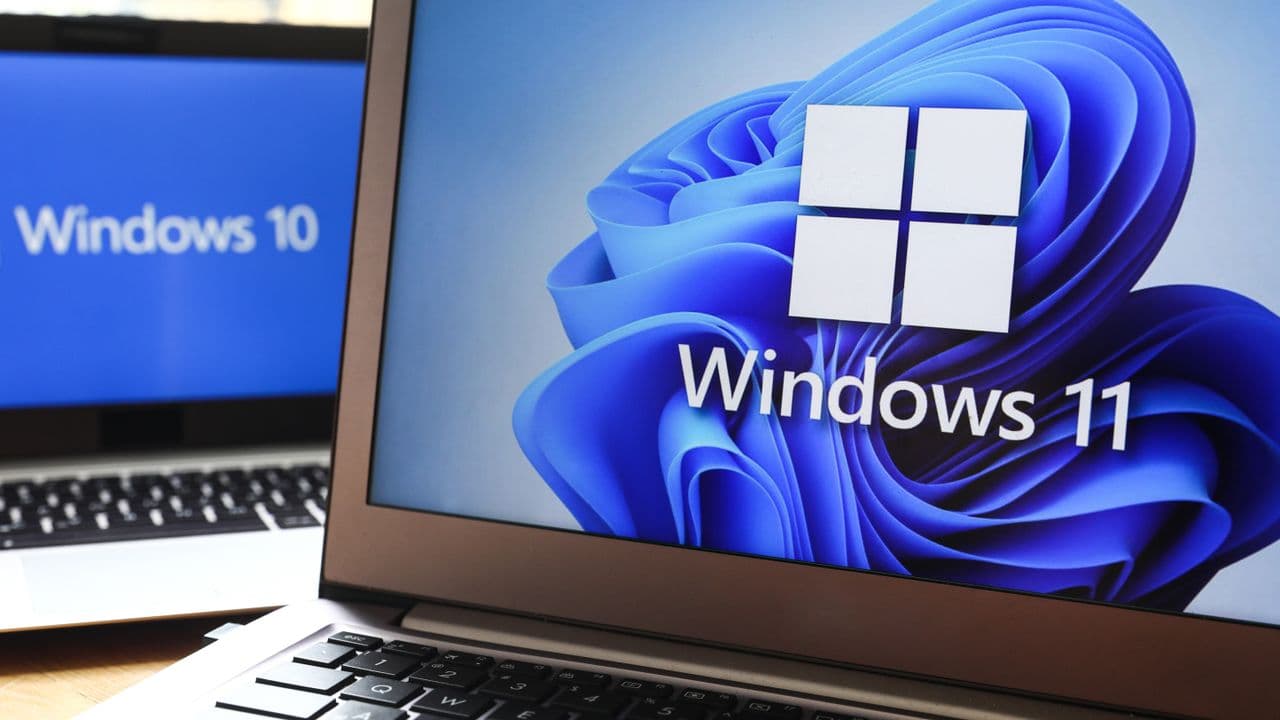
Microsoft has announced plans to optimize Windows 11 for systems equipped with 8GB of RAM, a move driven by a broader memory shortage that is pushing budget PCs back to lower capacities. The company detailed its progress in a recent blog post, outlining improvements to the operating system's memory footprint and overall responsiveness.
The RAM Crunch and Its Impact
The official minimum spec for Windows 11 is 4GB of RAM, but most experts advise 16GB for a smooth experience. The RAM shortage, however, has forced manufacturers to offer 8GB configurations just to keep prices low. Apple has even reintroduced 8GB MacBooks. The Windows approach to memory management has historically been resource-heavy, making low-RAM systems feel sluggish.
How Microsoft Plans to Shrink the OS Footprint
Microsoft is working on several optimizations to make Windows 11 run better on 8GB machines. These changes are rolling out through the Windows Insider Program and include improvements to core components.
These changes are still in preview, so users not enrolled in the Windows Insider Program will have to wait a few weeks to months for the final release.
Why This Matters
The RAM shortage is not a temporary blip. Rising memory prices threaten to make entry-level PCs nearly extinct by 2028. If Windows 11 cannot deliver a decent experience on 8GB of RAM, budget-conscious buyers will increasingly look elsewhere. The past has shown this risk is real: after Microsoft ended support for Windows 10, MacBook sales spiked as users migrated to macOS. Meanwhile, Valve is preparing a general release of SteamOS, which many find snappier and less bloated than Windows. Microsoft, therefore, faces pressure to prove its OS can still run well on modest hardware.
Competition Drives Change
The threat from alternatives is pushing Microsoft to act. The Windows blog post also noted improvements to parental controls and voice interactions, signaling a broader effort to polish the experience. But the memory optimization is the most critical piece. Without it, the company risks losing a segment of users who cannot afford high-RAM machines. The success of these optimizations will depend on how quickly they reach the public and whether they introduce new bugs.