Senior Editor: Alan Agbele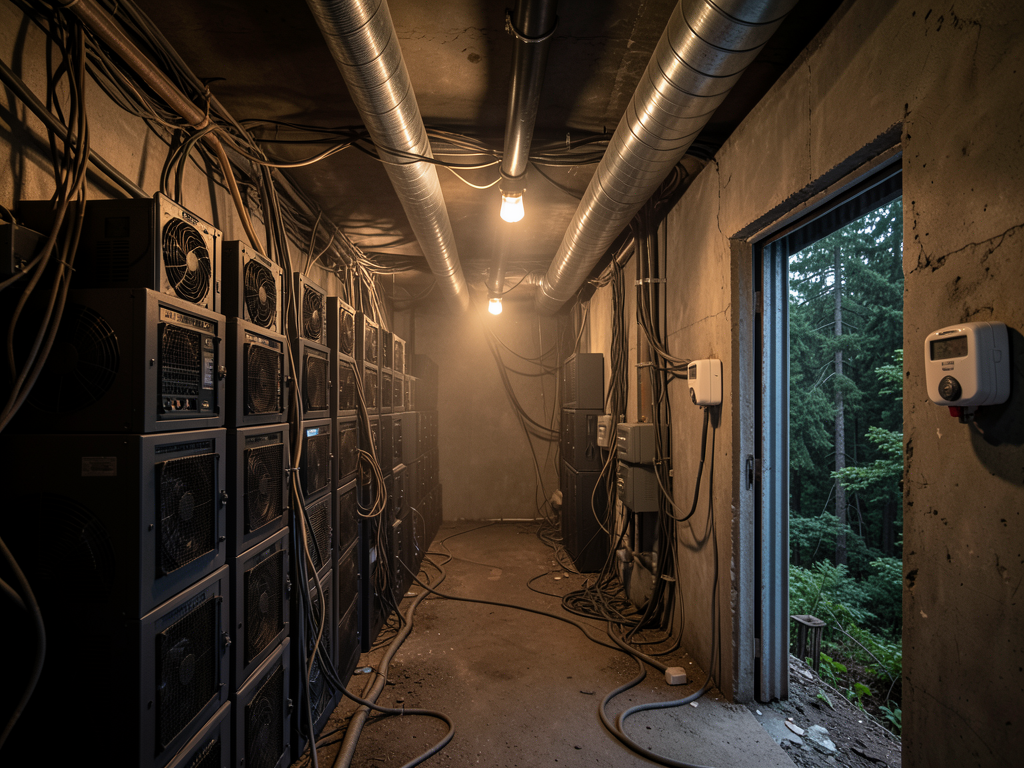
Mexican authorities have uncovered a sprawling cryptocurrency mining operation hidden in the Sierra Madre mountains, bringing renewed scrutiny to cartel financing methods. The raid, conducted by federal police, revealed hundreds of mining rigs connected to the local power grid through illegal hookups. Officials estimate the stolen electricity cost utilities millions of dollars, with the farm likely generating Bitcoin and other crypto assets for organized crime groups.
The Scale of the Operation
Authorities found the crypto farm in a remote mountainous area, concealed by dense forest. The setup included advanced cooling systems and ventilation to manage the heat from hundreds of mining rigs. Investigators believe the operation ran for months before detection, using tampered meters to avoid billing. The farm's location near known cartel territory suggests direct involvement by organized crime groups seeking to launder proceeds from drug trafficking and extortion.
Mexican officials have not disclosed the exact crypto assets mined but confirmed the hardware was capable of producing both Bitcoin and privacy-focused coins. The energy theft alone represents a significant financial hit to the state-owned power company, which has struggled with losses from illegal connections in rural areas.
Why This Matters
This case marks a critical shift in how cartels fund their activities. Instead of relying solely on cash-heavy enterprises, they are moving into the crypto mining sector, which offers a veneer of legitimacy and a direct route for money laundering. The implications extend beyond Mexico, as similar operations could be operating in other regions with lax oversight and cheap or stolen electricity.
Broader Implications for Crypto Policy
The Mexican mountains farm adds urgency to calls for stricter regulation of crypto mining worldwide. Lawmakers in several countries are already debating measures such as mandatory reporting of mining locations, proof of legitimate power sourcing, and enhanced anti-money laundering checks for crypto exchanges that handle mining output. The case also fuels arguments for energy regulations that require mining operations to connect to the grid through licensed providers, making illegal hookups easier to detect.
For the crypto industry, the discovery is a double-edged sword. While it exposes criminal misuse, it also underscores the need for self-regulation and transparency to avoid a blanket crackdown. Some mining firms have started voluntary initiatives to certify their power sources, but these efforts remain limited in reach.