Editor: Porcia Akua Holmes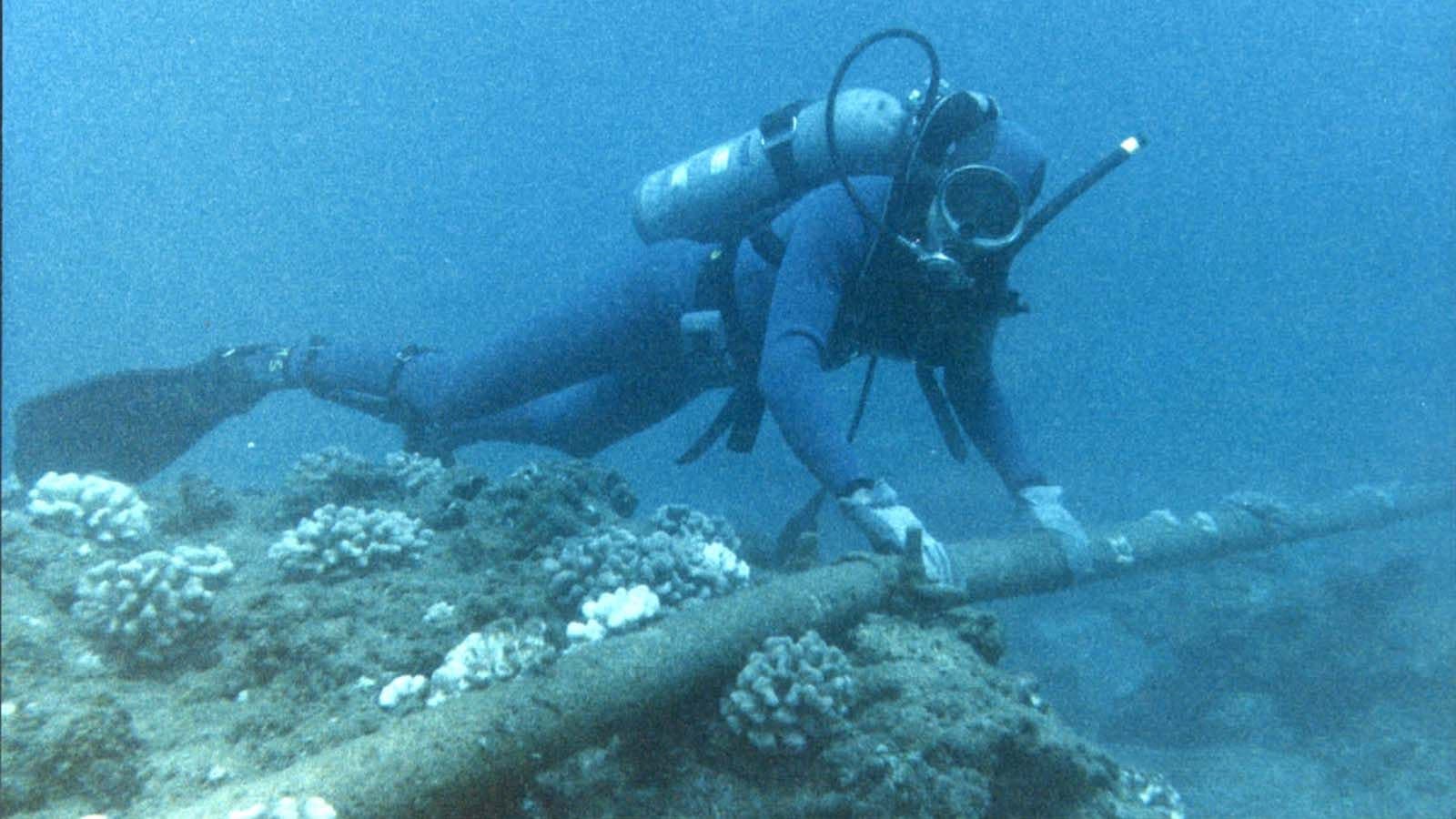
Meta has unveiled Petal, a subsea cable system designed to carry a petabit of data every second across the Atlantic Ocean. The cable will stretch roughly 7,000 kilometers between the United States and France, with commercial service expected to begin in 2029. If successful, Petal would be one of the highest-capacity transatlantic cables ever built, doubling existing bandwidth without adding physical infrastructure.
How Petal Reaches Petabit Speeds
The key to Petal's capacity lies in multi-core fiber technology. While earlier Meta cables like Anjana used 24 fiber pairs, Petal doubles that to 48 spatial channels. The system also employs a lower power repeater design, allowing it to run from a single feeding point for improved resilience. These advances enable the cable to theoretically transfer every song ever commercially released to another continent in under one second.
Why This Matters
Petal represents a step change in undersea data transport. As AI tools and cloud services demand ever more bandwidth, Meta is investing in private infrastructure rather than relying solely on third-party cables. This move mirrors similar projects by other tech giants. The cable could significantly reduce latency and increase reliability for transatlantic data flows, affecting everything from video calls to AI training data transfers. However, it also concentrates more critical internet infrastructure under a single company's control, raising questions about market power and redundancy.
Infrastructure Challenges and Timelines
Whether Petal meets its 2029 deadline remains uncertain. The project requires regulatory approvals from multiple countries, ocean floor permitting, and manufacturing timelines for specialized components. NEC Corporation's Chief Strategy Officer Eduardo Mateo called achieving petabit capacity "a major technological milestone." Sumitomo Electric Industries' General Manager Takehiko Okada of the Optical Fiber and Cable Division emphasized the company's commitment to global network expansion. Meta has backed over 20 subsea cable projects previously, including its Project Waterworth initiative, but large-scale undersea builds often face delays. The stakes are high: Petal could serve as a backbone for next-generation internet traffic if realized on schedule.