Editor: Porcia Akua Holmes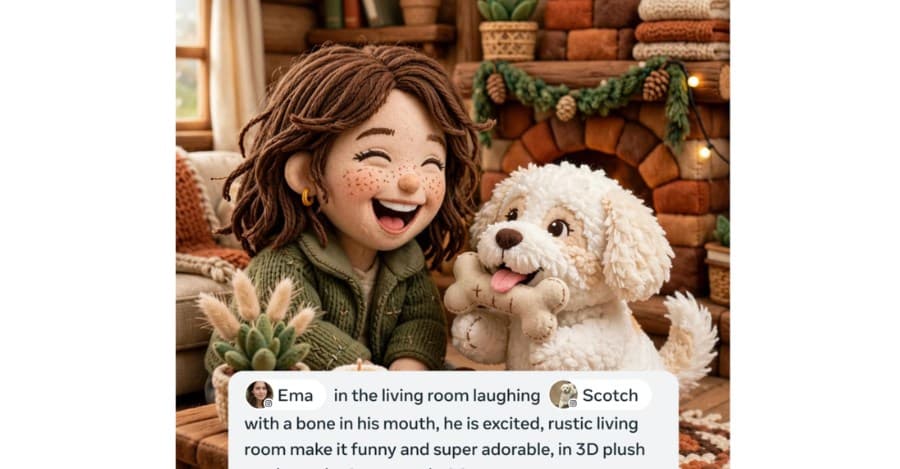
Meta turned off an Instagram feature this week that let users create AI-generated images of any public account simply by tagging the account's username. The feature, introduced as part of the company's new Muse Image AI model, allowed anyone to generate images referencing public profiles without the account owner's permission. The company confirmed the reversal after users and privacy advocates criticized the tool as a gateway for unauthorized deepfakes.
The Feature and Its Removal
Meta introduced the image generation capability as part of its Muse Image AI model, accessible through Meta AI on Instagram. By typing an @-mention followed by a public username, users could generate new images referencing that account's content. The company framed it as a way to "provide a useful creative tool." But within days, critics pointed out that public account holders had no opt-in mechanism, essentially allowing any user to create AI images of strangers without their knowledge. Meta updated its blog post announcing the reversal, stating the feature is now turned off.
Wider Implications for AI Content
The controversy is the latest in a series of incidents where social media platforms struggle to balance creative AI tools with user safeguards. Other companies have faced similar challenges with AI-generated content that mimics real people. Key concerns include:
Why This Matters
The rollback shows that public pressure can force rapid policy changes at major tech companies. It also highlights a deeper tension: as AI image generation becomes more powerful and accessible, platforms will need to build consent and transparency into these tools from the start. For public figures, influencers and regular users alike, the episode underscores how quickly personal content can be repurposed by AI without permission. The decision by Meta sets a precedent for how other companies might handle similar features in the future. The question now is whether Meta will implement stronger protections before reintroducing the feature, if it ever does.