Senior Editor: Alan Agbele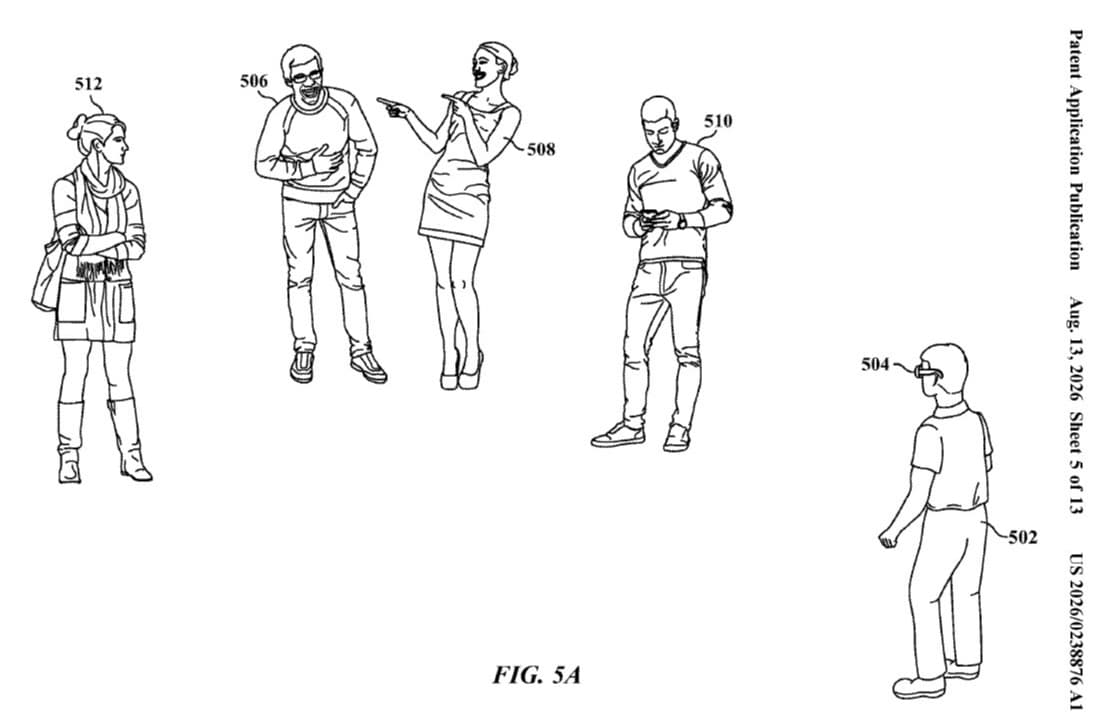
A newly surfaced patent filing from Meta indicates the company is developing smart glasses capable of facial recognition. The patent filing suggests Meta's facial recognition glasses are coming, moving the technology beyond smartphones and into everyday wearables. The patent describes a system that identifies individuals by analyzing facial features through the device's camera, a feature that could redefine social interaction.
What the Patent Reveals
The patent application, filed with the U.S. Patent and Trademark Office, details a system that integrates facial recognition algorithms directly into a pair of glasses. The device captures a person's face, compares it against a database of known identities and displays relevant information to the wearer. Unlike smartphone based recognition, the glasses operate hands free, allowing continuous identification in real time.
Privacy and Regulatory Hurdles
Facial recognition technology has faced intense scrutiny from regulators and consumer advocates. Europe's General Data Protection Regulation and several U.S. state laws restrict the use of biometric data without explicit consent. Meta's glasses would need to navigate these legal frameworks carefully, as always on facial recognition in public could violate privacy expectations. The company has previously scaled back facial recognition features on its social platforms after backlash. A wearable device that identifies people on the street raises even more acute concerns about surveillance and autonomy.
Industry Context and Competition
Meta's push into facial recognition glasses follows its existing smart glass line developed with Ray-Ban. Those current models lack facial recognition, but the patent signals a clear next step. Competitors including Apple and Snap have explored similar capabilities, but none have brought such a feature to market. If Meta succeeds, it could set a precedent for the entire wearable industry, normalizing an always on biometric identification system.
Why This Matters
For consumers, the convenience of instant facial identification comes with a significant privacy cost. The technology could be used in enterprise settings for security or identification, but widespread consumer adoption would require robust opt in mechanisms and transparent data handling. Regulators are likely to take notice if Meta moves toward a product launch. The outcome could determine the future of biometric wearables and shape public policy for years to come.