Editor: Porcia Akua Holmes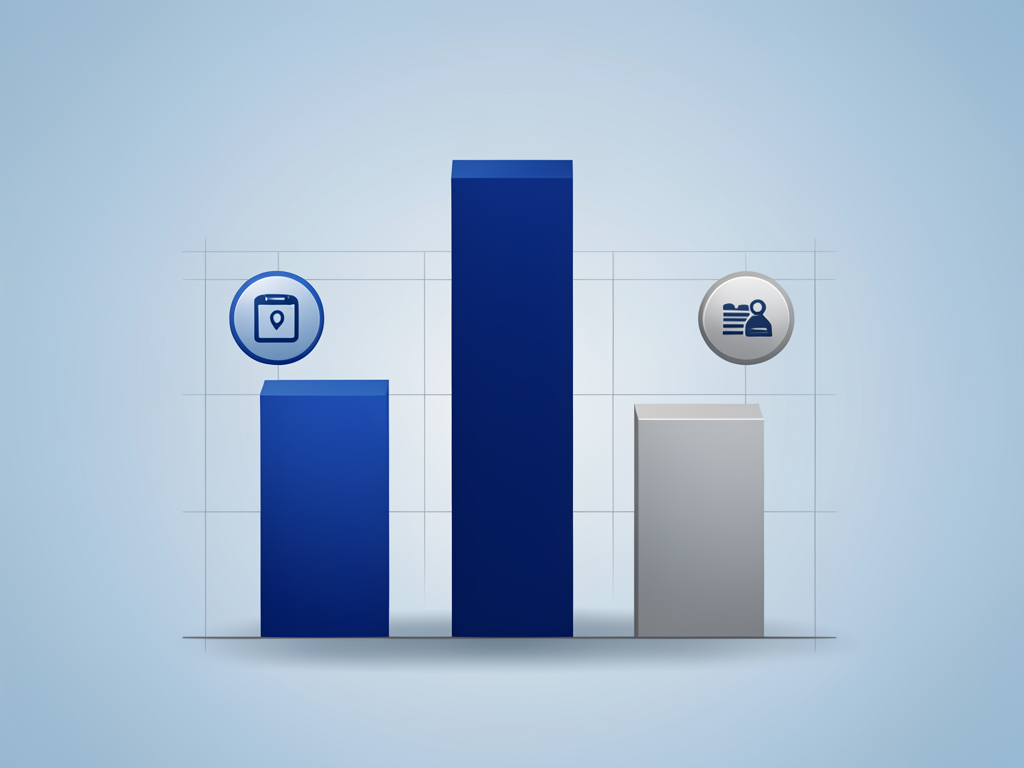
A data privacy study has ranked Meta as the most aggressive collector of user information among five major technology companies, with its apps listing three times more data types than those from Apple or Microsoft. The research, conducted by The Surfshark, a VPN and security provider, analyzed privacy labels submitted by developers to Apple's App Store for 171 iOS apps published by Meta, Google, Apple, Microsoft and Amazon.
Study Methodology and Scope
The Surfshark research team examined privacy information that developers must provide to Apple's App Store. Rather than monitoring real traffic, the study tallied declared data types such as device IDs, precise location, browsing history and purchase history. The sample included 44 apps from Google, 12 from Meta, and apps from Apple, Microsoft and Amazon. Because the sample is limited to five publishers, results do not necessarily reflect the broader app market.
Researchers counted only whether an app might collect a certain type of data, not how often or from how many users. This means a declaration of 25 data types does not guarantee all are collected from every user. Still, the pattern reveals stark differences in data appetite across companies.
Meta and Google Lead in Data Collection
Meta's apps proved the most data hungry. All the Meta apps studied declared the collection of device IDs, product interactions, performance information and crash data. Nine listed precise location data, a category researchers argued exceeds typical app needs. Seven also listed browsing history. Amazon Alexa was the closest non-Meta app, listing 28 data types.
Google's apps declared fewer types on average than Meta's but still dominated multiple App Store categories. Google apps ranked as the most data hungry in Photo and Video, Music, Entertainment, Utilities, Health and Fitness, and Developer Tools. Common data types collected by Google apps included:
Apple and Microsoft Show Restraint
Apps from Apple and Microsoft declared the fewest data types overall. Microsoft apps commonly listed crash data, device IDs, email addresses, names, diagnostic information, product interactions and user IDs. Two Microsoft apps declared browsing history. Apple apps were the most conservative: Safari was the only Apple app to list browsing history, while six Apple apps declared precise location. Other listed types included device IDs, email addresses and performance data. Neither company emerged with zero declarations, but their average of seven to eight types stands in sharp contrast to Meta's 25.
Why This Matters
The findings expose a core tension in the Big Tech business model: companies that rely on advertising and user profiling naturally demand more data. As Surfshark research lead Dr Luis Costa noted, weaving together search history, purchase habits and precise GPS coordinates across many apps builds a detailed digital map of users' lives. For consumers, the gap between declared and actual collection remains opaque, but the study provides a rare side-by-side comparison of how honestly the largest platforms label their data practices. Regulators and users alike can use this information to push for stricter standards or change their own app choices.