Senior Editor: Alan Agbele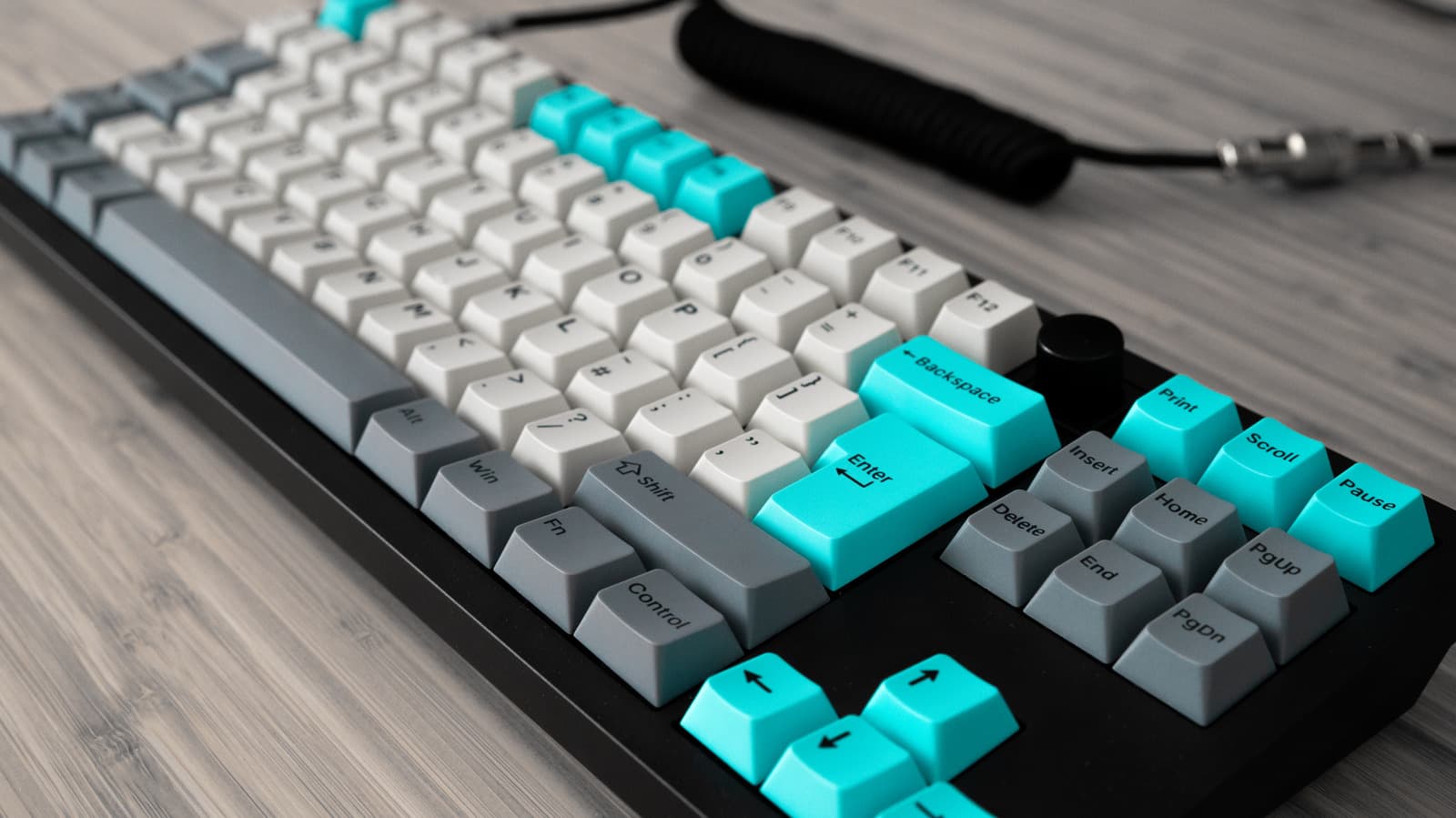
Mechanical keyboards often survive a decade or more of heavy use, according to owner surveys, far outpacing standard membrane keyboards. A common question among buyers is "How Long Do Owners Say Mechanical Keyboards Usually Last?" The answer depends on switch type, build quality and maintenance habits but consistently points to exceptional longevity.
Factors That Determine Longevity
Switch type plays a central role. Cherry MX switches, for example, are rated for 100 million keystrokes. Budget switches may last only 50 million. The keyboard's chassis, soldering quality and plate material also affect durability. A metal plate tends to outlast a plastic one.
Owners who clean their boards every few months and avoid eating over the keyboard report significantly longer lifespans. Replacing keycaps and switches when they fail can keep a board functional for 15 years or more.
Membrane vs. Mechanical Durability
Membrane keyboards use rubber domes that degrade over time. They typically last 5 million to 10 million keystrokes. After a year or two, the feel becomes mushy. Mechanical switches maintain their tactile response much longer. Owners often report that a mechanical keyboard bought in the mid-2010s still works and feels like new.
The replaceable nature of switches gives mechanical keyboards a clear edge. When one switch fails, users can swap it out rather than replacing the entire keyboard. This modularity reduces electronic waste and saves money over the long term.
Why This Matters
For consumers, the higher upfront cost of a mechanical keyboard can pay off within three to five years if they would otherwise replace membrane keyboards annually. Businesses that equip workstations with mechanical keyboards see lower peripheral replacement costs and less downtime. On a broader scale, longer-lasting keyboards reduce the environmental impact of manufacturing and disposing of plastic electronics.
The key takeaway for buyers is that paying more now often means spending less later. Mechanical keyboards are not just a sensory upgrade. They are a durable tool that can outlast multiple computers.