Editor: Porcia Akua Holmes
Performance review season has quietly become a test of artificial intelligence. Managers across industries are using AI chatbots to draft feedback for their direct reports, and the results are often formulaic, overly positive or strangely detached. The practice is spreading fast, driven by time pressure and the promise of polished prose, but it is also exposing a deeper unease about what happens when human judgment is outsourced to a language model.
The Quiet Rise of AI in Performance Management
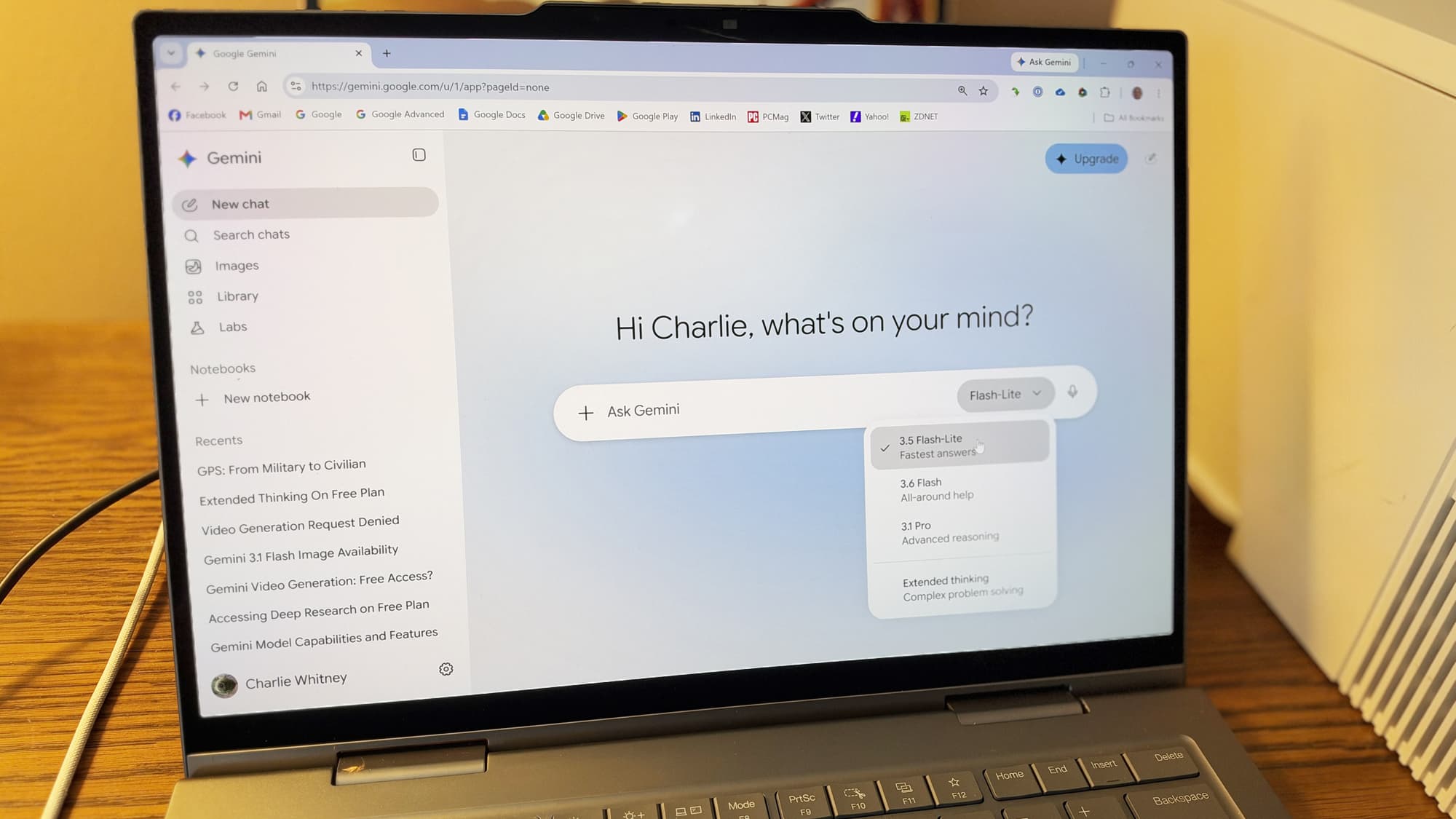
The use of AI for performance reviews is not a fringe experiment. It is happening inside large corporations and small teams alike, often with the blessing of managers who see it as a shortcut. Tools like ChatGPT, Google Gemini and Microsoft Copilot have made it easy to generate paragraphs of feedback in seconds. A manager can simply type a few bullet points about an employee and receive a polished, professional-sounding review. The problem is that these reviews often lack the specificity and nuance that make feedback useful. They may repeat the same phrases across different employees or miss critical context that only a human observer would know.
Why This Matters
The implications stretch far beyond a single review cycle. When managers delegate the writing of performance feedback to AI, they risk eroding the very foundation of trust between employer and employee. Workers who receive generic, AI-generated reviews may feel undervalued and disengaged. Worse, the lack of genuine human assessment can mask real performance issues or unfairly penalize employees who do not fit a model's pattern. Over time, this could lead to skewed promotion decisions, increased turnover and even legal exposure if bias can be traced to algorithmic output. Companies that fail to address this now may find themselves facing a cultural crisis that is hard to reverse.
What Managers Are Actually Doing
The behavior varies widely. Some managers use AI only to polish their own drafts, while others rely on it entirely. A few common patterns have emerged:
The Risks of Automated Feedback
AI-generated reviews carry several distinct dangers. They can perpetuate hidden biases if the underlying model was trained on skewed data. They can also produce false confidence, making a manager feel they have delivered meaningful feedback when they have not. Employees, meanwhile, are increasingly savvy about detecting AI-written text. A review that reads like a generic LinkedIn recommendation can damage morale and signal that the manager did not invest real thought. In regulated industries, undisclosed AI use in employment decisions may even violate emerging laws around automated decision-making.
What Companies Should Do Next
Organizations need to move quickly to set boundaries. That means creating clear policies on when and how AI can be used in performance reviews, requiring disclosure when it is used and training managers on how to add genuine human insight. Some firms are already experimenting with AI as a coaching tool rather than a ghostwriter, using it to suggest questions or flag potential bias in a manager's own draft. The key is to keep the human in the loop, not replace them. As AI becomes more embedded in HR software, the companies that get this right will be the ones that preserve trust while still gaining efficiency.