Editor: Porcia Akua Holmes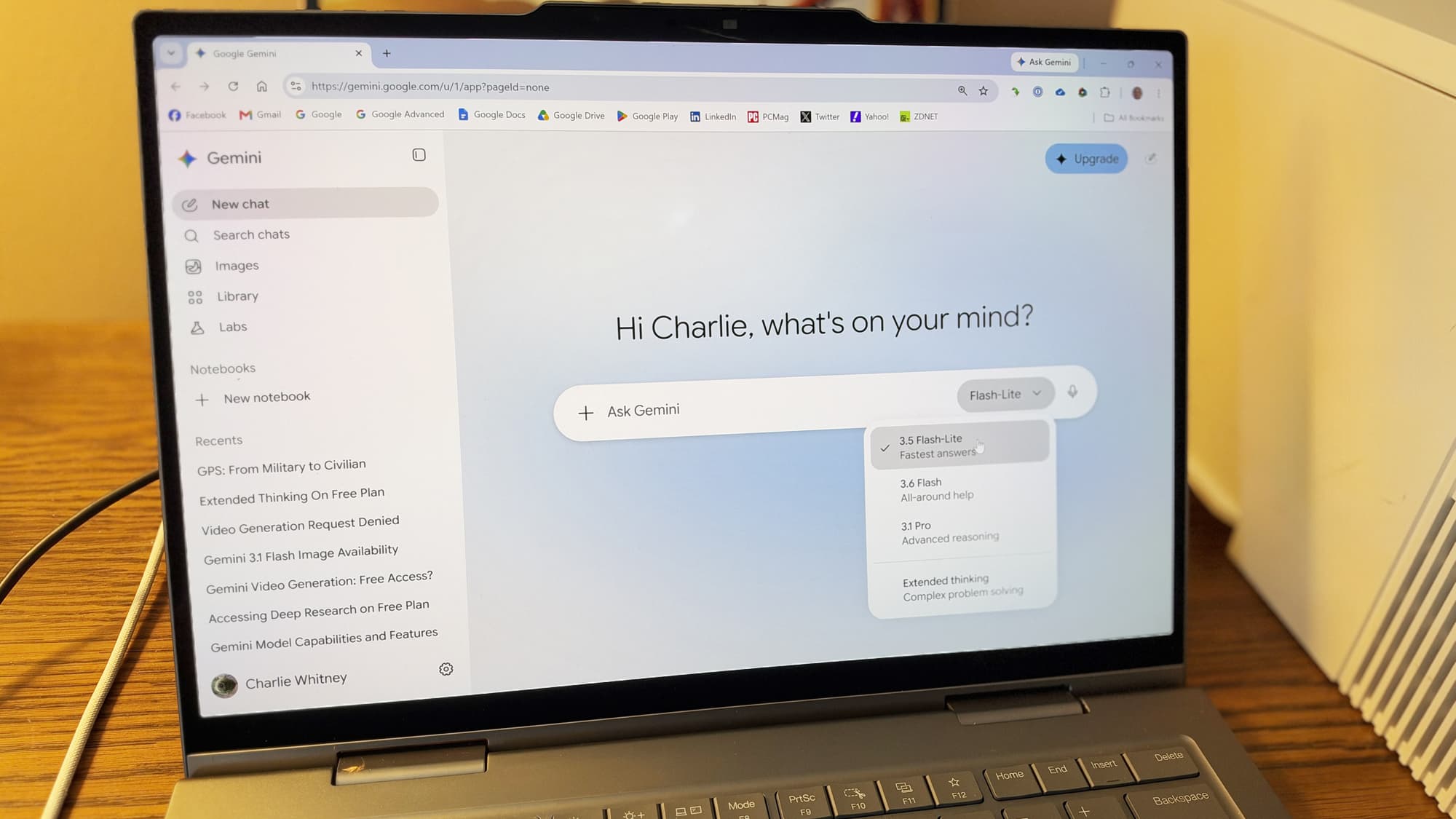
Google is preparing to limit free users of its Gemini AI assistant to the least capable version of the model, a move that underscores the mounting financial pressure on companies offering generative AI at no cost. The change, first reported by Wired, marks a significant reversal from the company's earlier strategy of providing broad free access to its most advanced AI systems.
Why This Matters
The downgrade for free users signals that the era of unlimited free access to cutting-edge AI may be ending. Companies like Google, OpenAI and Anthropic face a stark reality: training and running advanced AI models costs millions of dollars per day. As competition intensifies and profit expectations grow, free tiers are becoming loss leaders that even deep-pocketed tech giants can no longer sustain indefinitely. For users, this means the best AI capabilities will increasingly sit behind paywalls. For businesses, it could accelerate adoption of paid enterprise AI tools. The move also raises questions about digital equity, as those who cannot afford subscriptions may be left with inferior AI assistance.
The Cost of Free AI
Running a large language model like Gemini involves massive server farms packed with specialized chips. Each query consumes significant electricity and processing power. Google has not revealed exact figures, but industry estimates suggest that serving a single AI response can cost fractions of a cent to several cents, depending on model size. Multiply that by billions of queries per day, and the expenses become staggering. Google's parent company Alphabet has been under pressure from investors to demonstrate a path to profitability for its AI investments. Restricting free users to a weaker model is one way to reduce costs while still offering a taste of the technology.
The Broader AI Access Divide
This change is part of a larger trend where AI companies are segmenting their user base. Free users get basic models with limited capabilities, while paying customers access the most powerful versions. Microsoft's Copilot, for instance, offers a free tier with restricted features and a paid Pro version. OpenAI's ChatGPT has similar tiers. The strategy allows companies to monetize heavy users while still attracting a broad audience. However, it also risks creating a two-tier system where quality AI assistance becomes a luxury. Educational institutions, nonprofits and individuals in developing countries may struggle to afford subscriptions, potentially widening the digital divide.
What This Means for the Future
Google's decision could set a precedent for the entire industry. If free users are limited to weaker models, competitors may follow suit, normalizing the idea that cutting-edge AI is a premium service. This could accelerate the development of specialized, smaller models optimized for low-cost deployment. It may also spur open-source alternatives that offer competitive performance without subscription fees. For now, users of free Gemini should expect a less capable assistant, while Google hopes the taste of AI will convince enough people to upgrade to Gemini Advanced. The gamble is whether free users will accept the downgrade or migrate to rivals that still offer better free options.