Editor: Porcia Akua Holmes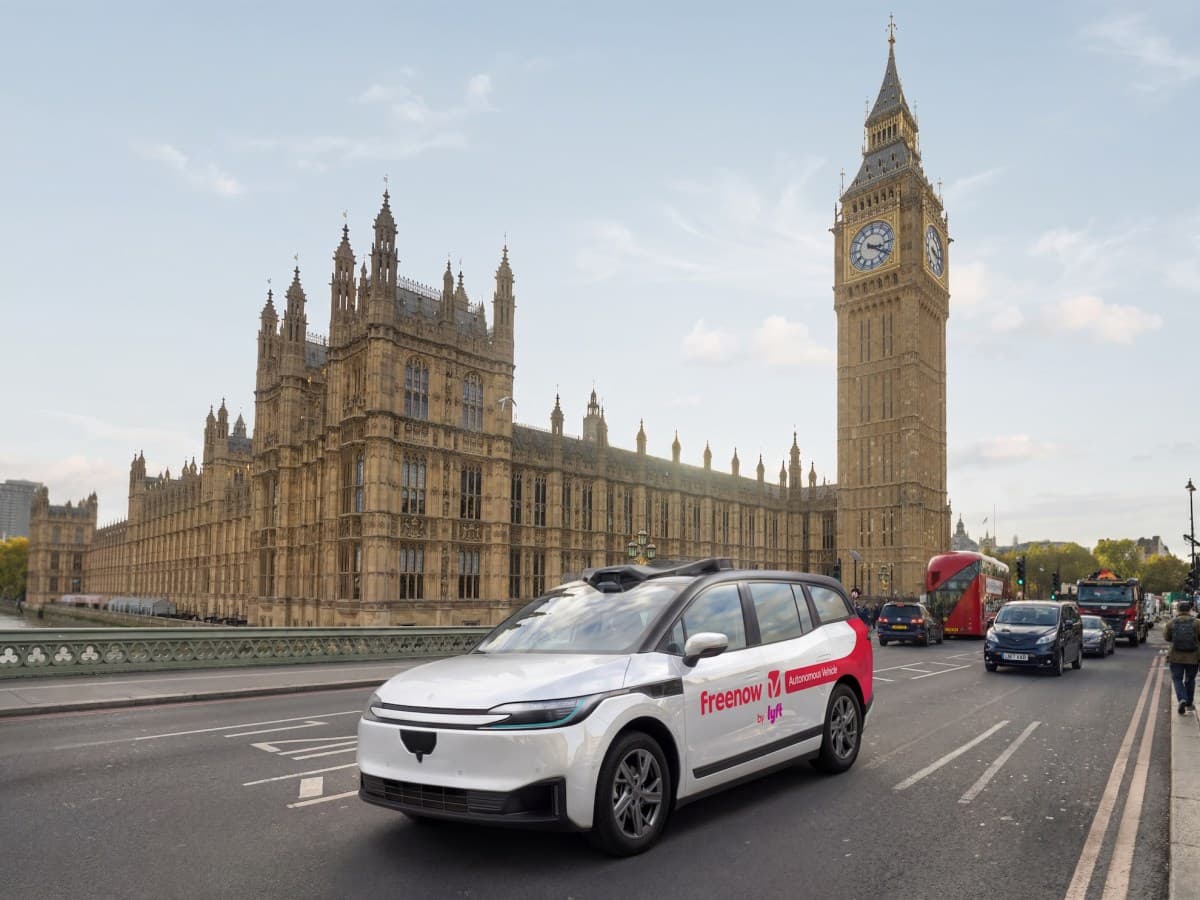
Lyft and Chinese tech giant Baidu are entering London's crowded robotaxi market, with Baidu's Apollo Go autonomous vehicles set to begin testing on the capital's streets through Lyft's mobility network Freenow. The move places two major players directly in competition with existing services such as Waymo and Zoox, which have already secured testing permits in the city.
How the Partnership Works
Under the arrangement, Baidu's Apollo Go vehicles will be deployed through Freenow, the mobility network Lyft acquired last year. The vehicles will initially operate with safety drivers as part of a testing phase. Lyft will handle fleet management and customer interface while Baidu provides the autonomous driving software and hardware. The companies have not disclosed the number of vehicles or the specific neighborhoods where testing will take place.
London's Robotaxi Landscape
London has become a key testing ground for autonomous ride-hailing services. Waymo, backed by Alphabet, began supervised robotaxi trials in parts of the city earlier this year. Zoox, the Amazon subsidiary, has also secured permits for testing in controlled zones. The entry of Lyft and Baidu adds a new dimension to the competitive landscape, as Lyft's network of human drivers in London gives it a built-in user base for the eventual transition to driverless vehicles. Regulators at Transport for London have said they will approve expansions based on safety data from initial tests.
Why This Matters
The arrival of Lyft and Baidu in London's robotaxi market signals a shift from isolated pilot programs to a multi-operator competitive environment. For passengers, more players could mean faster deployment and lower prices as companies compete to capture market share. For regulators, the challenge will be balancing innovation with safety as autonomous vehicles interact with London's dense traffic and complex road network. For the broader industry, the partnership demonstrates how large ride-hailing platforms can integrate third-party autonomous technology to accelerate their entry into driverless operations without building the technology in-house. If successful, this model could be replicated in other European cities where Lyft's Freenow has a presence.