Senior Editor: Alan Agbele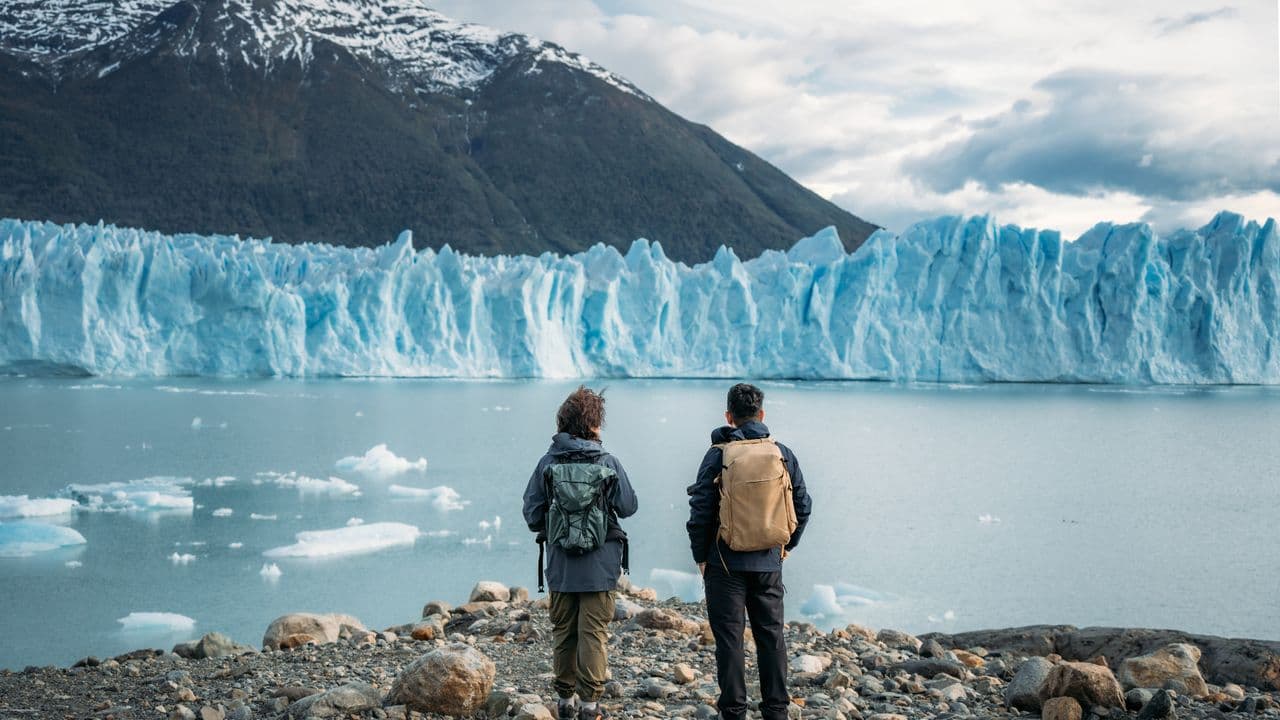
Big Tech companies including Amazon, Google and OpenAI are scouting the glaciers of Patagonia, Argentina, as a frontier for massive AI data centers. The region's cold climate and abundant energy could dramatically cut cooling costs for hyperscale computing. But sparse fiber connections and an approaching presidential election introduce serious risks.
The Appeal of Patagonia
The Northern Patagonian Ice Field and the Southern Patagonian Ice Field together hold tens of thousands of glaciers. That natural cold environment helps keep data centers cool with less energy, a critical factor as AI workloads generate intense heat. Energy is another draw. Reuters reports that operators can tap hydroelectric power, wind and shale gas, with some existing projects adding solar as well.
The political climate under President Javier Milei has also become more favorable. Milei has pursued policies to court Big Tech, and public backlash against data centers appears minimal so far. There are no major campaign groups opposing the buildouts, a contrast to pushback seen in other regions.
Connectivity and Political Risk
Despite the natural advantages, Patagonia faces two significant hurdles. The first is fiber. High-speed networking lines are scarce in the remote region, and building out the necessary capacity will require major investment. The second is political stability. Argentina holds a presidential election next year, and the outcome could reverse Milei's pro-business stance. That uncertainty makes long-term commitments more difficult. Indigenous communities in some parts of Patagonia have also raised concerns about land use, adding another layer of complexity.
Major Investment Plans
These obstacles have not stopped serious interest. OpenAI has confirmed plans for a $25 billion, 500-megawatt clean energy data center in Argentina. Poland's Green Capital is planning a $3 billion, 300-megawatt facility in Patagonia. FlexDomes, a U.S.-based green data center company, is also exploring the area. Amazon and Google have not announced specific Patagonia projects but are watching the region closely.
Why This Matters
The search for data center locations is intensifying as AI demand grows. Patagonia could become a test case for whether remote, cold-climate regions can lure hyperscale projects away from traditional hubs. If successful, it would shift the geography of AI infrastructure and demonstrate that cheap energy and natural cooling can outweigh connectivity deficits. The political stakes are high: Argentina's next election will determine whether Big Tech's bet pays off or stalls. For the industry, the outcome may influence where future data centers are built around the world.