Senior Editor: Alan Agbele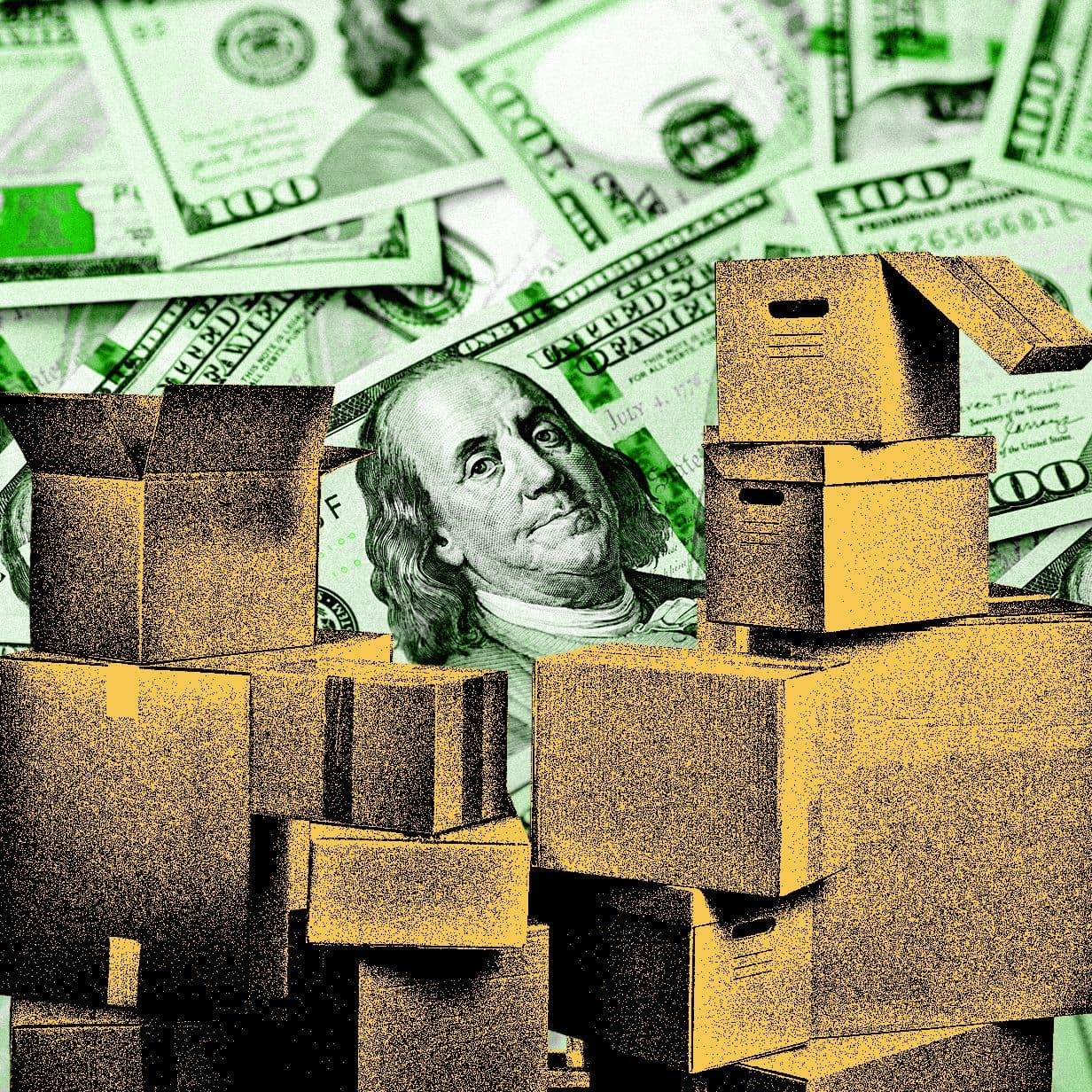
A shadow market for empty luxury product boxes has quietly boomed, driven by content creators seeking to project an image they do not yet own. Resellers are feeding the demand, selling pristine cardboard packaging from brands such as Louis Vuitton and Apple for cash sums that rival some of the products themselves.
How the Market Operates
Resellers acquire empty boxes from a variety of sources. Some purchase returned goods at auction and remove the product inside. Others source directly from consumers who throw away boxes after opening their purchases. The most sought after packaging includes recent model phones, luxury handbags and high end electronics.
Prices vary wildly. An empty box for a Birkin bag, for instance, can fetch more than $200. A standard iPhone box might sell for $20 to $50. The buyers are largely influencers and resellers who film themselves unboxing items for Instagram, TikTok or YouTube.
Why This Matters
The empty box economy exposes a deeper tension in online culture: the pressure to appear successful sometimes outweighs the reality. For brands, the trend poses a risk to exclusivity and authenticity. A flood of staged unboxing videos dilutes the perceived value of owning the actual product. For consumers, the practice encourages deceptive behavior and fuels a secondary market that adds no real value.
Environmental concerns also surface. The boxes being purchased for content are often discarded after filming, doubling the waste footprint. Resellers, meanwhile, are profiting from a loophole that exploits both brand prestige and audience trust. Regulators have yet to address the phenomenon, but platforms may face pressure to label staged videos more clearly.
Market Implications
The resale of packaging is not illegal in most jurisdictions, but it operates in a gray area. Luxury brands rarely authorize the separate sale of their boxes and some have begun to include serial numbers or tamper evident seals to prevent misuse. For now, the market thrives on the gap between aspiration and ownership, a gap that influencers and resellers are happy to fill.
As the appetite for online authenticity grows, the irony of buying empty boxes to prove status becomes sharper. The trend is unlikely to disappear until platforms change their algorithms or audiences become more skeptical of unboxing theater.