Senior Editor: Alan Agbele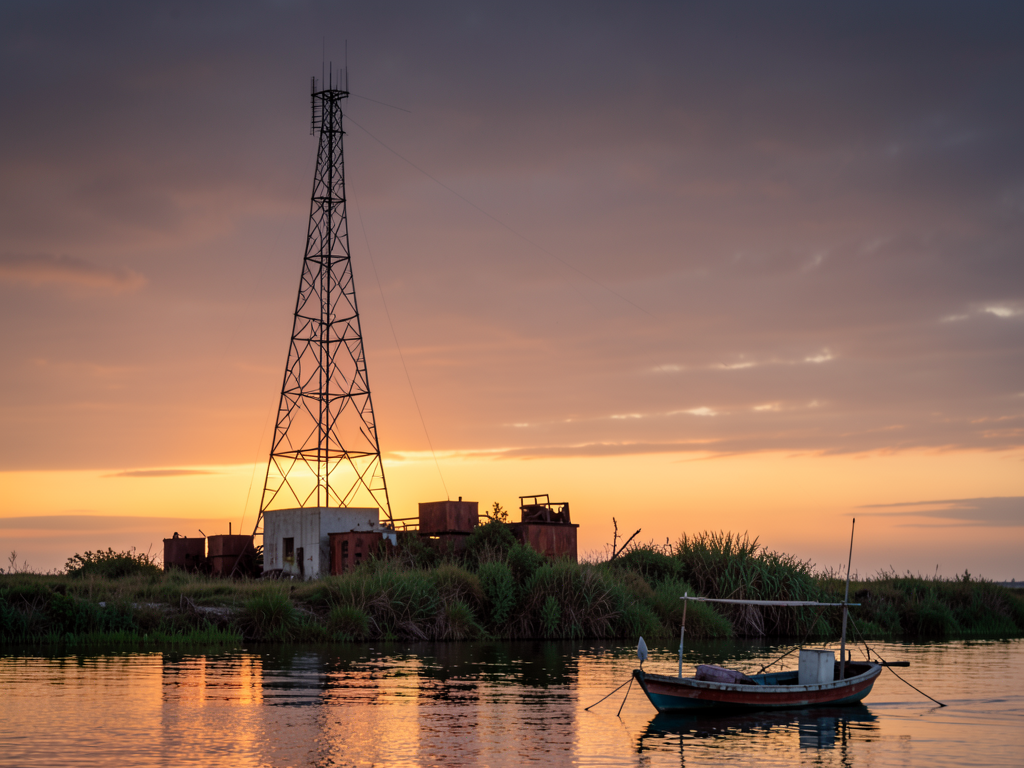
One of the oldest forms of broadcast radio is about to fall silent. The BBC has confirmed plans to switch off its Long Wave transmitter in Droitwich, marking the end of a technology that has carried news, drama and the iconic shipping forecast for nearly a century. The decision follows a steady decline in Long Wave listenership as digital alternatives dominate the airwaves.
The Legacy of Long Wave Broadcasting
Long Wave radio dates back to the early 20th century. The Droitwich site in Worcestershire began transmitting in 1934 and became the backbone of BBC Radio 4's Long Wave service. The signal could travel hundreds of miles, reaching listeners in remote rural areas and seagoing vessels far beyond FM coverage. For decades, the station provided a reliable lifeline for weather warnings and the shipping forecast, a staple for fishermen and maritime crews.
The technology, however, came with significant drawbacks. Long Wave transmitters consume large amounts of electricity and require frequent maintenance. As audiences migrated to FM, DAB digital radio and online streaming, the cost per listener became unsustainable. The BBC estimates that maintaining Long Wave costs several million pounds each year for a shrinking audience.
Why This Matters
The switch-off directly affects at least 1 million regular Long Wave listeners, many of whom rely on Radio 4's Long Wave feed for the shipping forecast. Maritime communities, including fishermen and coastguard operators, have used the service for decades. The transition will require these listeners to switch to digital alternatives, such as BBC Sounds or DAB sets, or risk losing access to essential broadcasts.
Beyond individual listeners, the shutdown signals a broader shift in the radio industry. Long Wave and its sibling, Medium Wave, are being phased out across Europe as regulators reallocate spectrum for mobile broadband and digital services. The Droitwich closure is one of the largest single steps in this transition.
Key aspects of the change include:
Technical and Cultural Shift
Dismantling the Droitwich masts will remove a familiar landmark from the Worcestershire skyline. For radio enthusiasts, the loss of Long Wave represents the end of an era defined by analogue simplicity. The technology’s ability to penetrate buildings and travel over the horizon made it indispensable during World War II and the Cold War. Today, those properties are less critical as satellite and digital networks cover most populated areas.
The transition also raises questions about emergency broadcast resilience. Long Wave has long been considered a robust backup in the event of a crisis. The BBC has stated that FM and DAB networks offer adequate redundancy, but critics argue that a single point of failure could leave some regions without information during power cuts or network outages.
What Comes Next
Listeners will still be able to access BBC Radio 4 on FM, DAB and via the BBC Sounds app. The shipping forecast will continue on FM at specific times, though its reach will be reduced. The BBC plans to run a public information campaign to ease the transition. For now, the Droitwich transmitter remains on air, but its days are numbered.