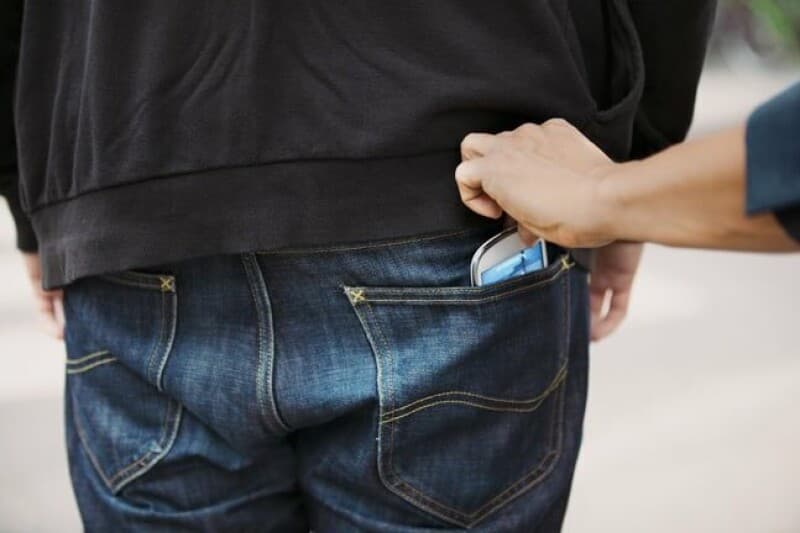
London's Metropolitan Police and Apple have agreed to share stolen device identifiers in an effort to dismantle the city's rampant phone theft market. The partnership gives law enforcement and the tech giant combined intelligence on which stolen phones reconnect to mobile networks, revealing where criminal networks operate.
Apple provides data on when a stolen device is reactivated and its location. The Met contributes serial numbers and victim reports. Together, they hope to track stolen phones and make them worthless on the secondary market. Met Commissioner Sir Mark Rowley said the goal is to collapse the value of stolen devices, removing the incentive to steal them.
Intelligence Sharing and Enforcement Results
The pact follows months of pressure from lawmakers. In December, Dame Chi Onwurah, chair of the Science, Innovation and Technology Committee, asked why companies like Apple had not implemented stronger blocking measures. Apple launched Stolen Device Protection in January 2024 and expanded it with iOS 26.4, but critics say more is needed.
The Met also cited enforcement progress. Phone thefts in Westminster have dropped nearly 50 percent through targeted policing. Citywide, theft and robbery offenses involving mobile phones fell by 14,000 in the last year, an 18 percent decline. Overall offenses in 2026 are down 20.6 percent compared to the same period in 2025. The Met credits operations like Operation Reckoning, which recently concluded its fifth sprint and led to hundreds of arrests and thousands of device seizures.
Industry Response and New Security Features
Google and Samsung are also making changes. Google uses authentication requirements after factory resets and an AI-powered theft detection feature that automatically locks the screen. Samsung has deployed similar theft-detection tech and requires biometric authentication for security changes in unfamiliar locations. Both companies told The Register they are working closely with law enforcement.
Despite these moves, the Met has asked the Home Office to begin drafting anti-phone-theft legislation. The force said 83 percent of the public supports permanently blocking stolen smartphones. If tech companies fail to implement minimum security standards, the UK may legislate.
Why This Matters
Phone theft has become a major public safety issue in London, with thousands of devices stolen each year. The collaboration between law enforcement and tech companies directly affects anyone who owns a smartphone. If stolen phones become unusable, the black market collapses and theft rates could fall sharply. The push for legislation signals that voluntary industry action may not be enough, creating regulatory pressure on Apple, Google and Samsung to design security into their products. For consumers, these changes could mean stronger default protections and less risk of losing a device to theft.