Senior Editor: Alan Agbele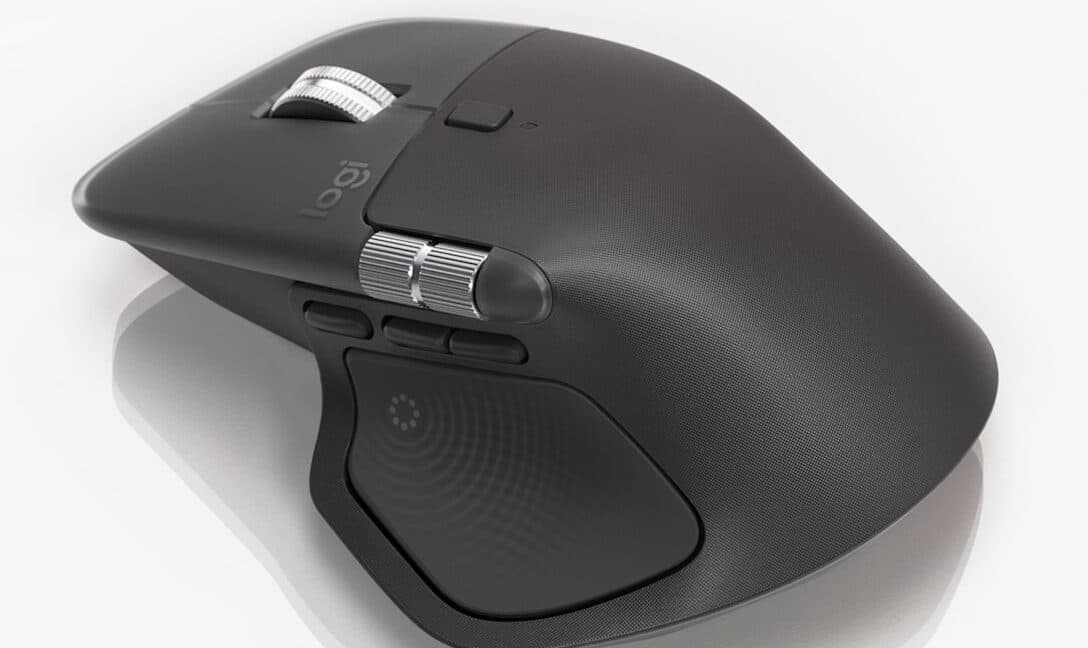
Logitech is facing a proposed class action lawsuit that demands the company return tariff refunds to customers. In April 2025, Logitech raised prices on 51 percent of its product portfolio, with some increases reaching 25 percent. The company attributed the price hikes to import tariffs. Months later, the U.S. Supreme Court declared those same tariffs unlawful. Logitech now stands to receive reimbursements from the federal government. The lawsuit argues the company should pass that money to the customers who paid the inflated prices.
The Price Hikes and the Legal Challenge
Logitech’s April 2025 price increase affected more than half of its product range. The company told customers the price hike was necessary because of new import tariffs. When the U.S. Supreme Court struck down the tariffs as unlawful, the federal government began preparing refunds for companies that paid them. Logitech is among those companies eligible for reimbursement.
The complaint, filed in federal court, argues that Logitech extracted extra money from consumers based on an illegal tariff. Now that the tariff is invalid, the company should not keep both the higher prices and the government refunds.
Why This Matters
If the lawsuit succeeds, it would force Logitech to reimburse millions of customers who paid inflated prices. The case could also pressure other companies that raised prices due to the same tariffs. Beyond Logitech, the ruling might reshape how businesses handle price adjustments tied to government actions that are later overturned. Consumers who paid more for computer mice, keyboards and webcams could see refunds. For companies, the outcome signals that holding onto windfalls from invalid regulations carries legal risk. The lawsuit therefore has implications for consumer protection and corporate accountability in tariff policy.
What This Means for Consumers
Anyone who bought Logitech products between April 2025 and the tariff ruling may have overpaid. The proposed class action covers all U.S. customers who purchased items when the disputed tariffs were in effect. Consumers do not need to take any action now. If the court approves the class, individuals could automatically qualify for a portion of any settlement. The case also serves as a reminder that price increases tied to temporary government policies may not be permanent. Customers should watch for updates as the lawsuit proceeds.