Editor: Porcia Akua Holmes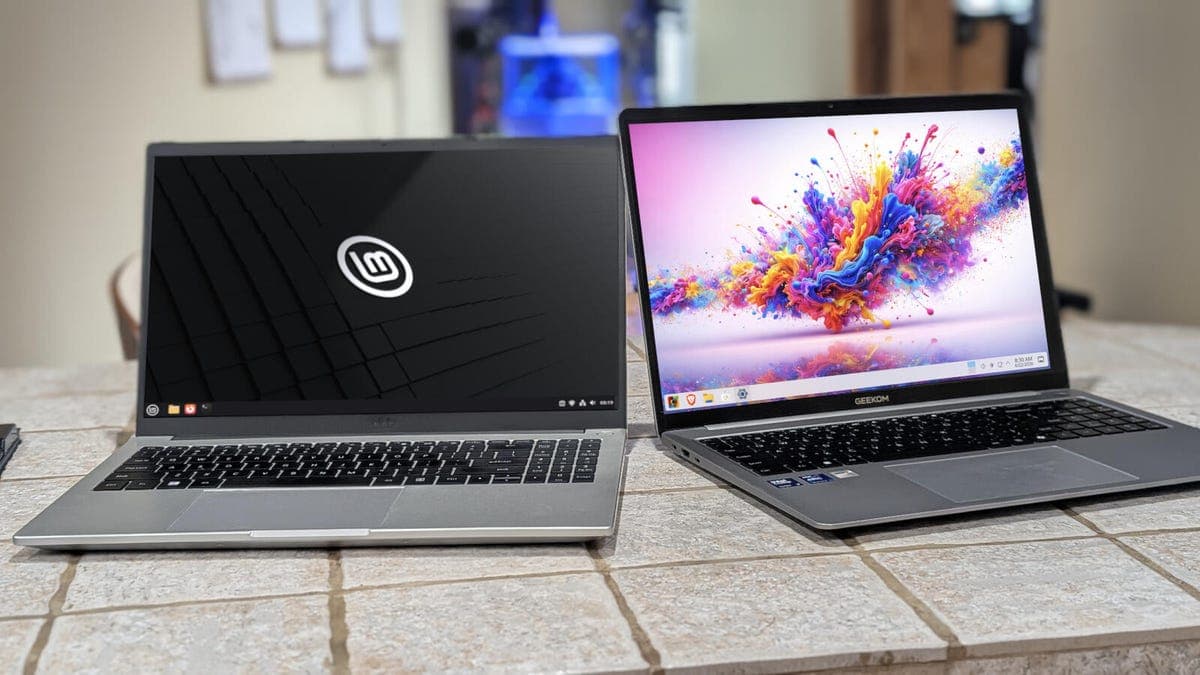
New Linux users often face a paradox of choice. Two distributions have emerged as strong candidates for those making the switch: Linux Mint and RefreshOS. While both aim to simplify the transition from Windows or macOS, they take fundamentally different approaches to the Linux desktop. The result is a split decision that depends entirely on what a newcomer values most in their operating system.
Comparing Two Approaches to Beginner Linux
Linux Mint has long been the recommended starting point for beginners. Its Cinnamon desktop environment mimics the traditional taskbar-and-start-menu layout that Windows users find familiar. The distribution ships with a curated set of preinstalled applications and a software manager that avoids command-line interactions for most tasks.
RefreshOS, by contrast, adopts a more modern and streamlined design philosophy. It shuns the classic desktop metaphor in favor of a cleaner, less cluttered interface that emphasizes workspace switching and gesture-based navigation. The distribution targets users who are comfortable with a small learning curve in exchange for a more contemporary user experience.
The Desktop Environment as a Deciding Factor
The core difference between these two distributions comes down not to package availability or performance but to the desktop environment. Linux Mint's Cinnamon is a mature, feature-rich interface that puts usability ahead of visual polish. It offers extensive customization through menus and applets, making it easy for users to adjust the layout without editing configuration files.
RefreshOS, however, reimagines the desktop as a minimal, distraction-free canvas. Its custom environment reduces button density and relies on keyboard shortcuts and virtual desktops. This design can feel liberating to users who dislike clutter but may confuse those expecting a conventional start menu and taskbar.
Both approaches have merit. The choice hinges on whether a user prefers proven familiarity or modern efficiency. Neither distribution is objectively better; they simply serve different mindsets.
Why This Matters
The Linux community has long debated how to attract new users. Distributions like Linux Mint and RefreshOS represent two competing philosophies: one that minimizes cognitive friction by replicating legacy interfaces, and another that asks users to adapt to a new paradigm in exchange for a cleaner experience.
For a newcomer, picking the wrong distribution can lead to frustration and abandonment of Linux entirely. The success of both distributions suggests that there is no single best path into the ecosystem. Instead, the community benefits when multiple front doors exist, each tailored to a different kind of user.
This fragmentation also affects software developers and hardware manufacturers. A wider variety of desktop environments means more testing and support overhead. But it also increases the chance that a potential Linux user will find a distribution that feels natural on their first try.
In the end, the best distro for new users is the one that gets out of the way and lets them work. Both Linux Mint and RefreshOS achieve that goal, but through sharply different routes.