Senior Editor: Alan Agbele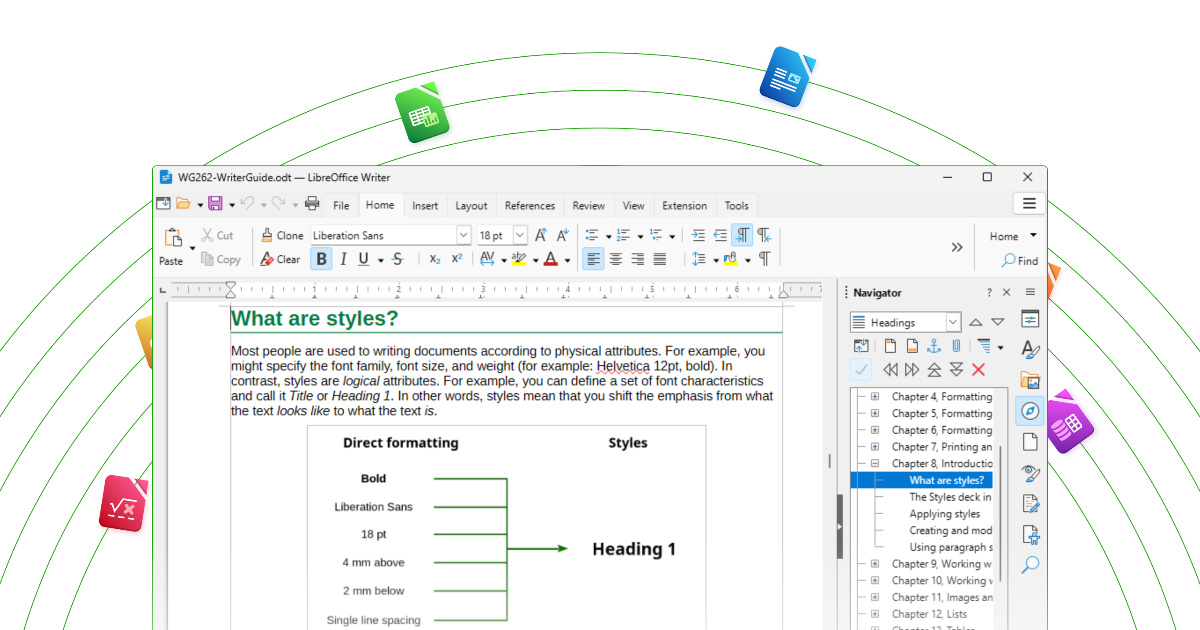
LibreOffice has set new download records after its developers publicly confirmed the open-source office suite contains no artificial intelligence features. The announcement, released by The Document Foundation, has resonated with users who increasingly view AI functionality in everyday software as a liability rather than a benefit.
User Backlash Spurs Open-Source Growth
For years, major productivity platforms have aggressively integrated generative AI tools. Microsoft 365 now includes Copilot for document summaries and email drafts. Google Workspace embeds Gemini for spreadsheet analysis and presentation creation. A growing number of users, however, report fatigue with these extras, citing privacy concerns, added cost or unwanted complexity. LibreOffice's explicit refusal to join that trend has turned the software into a rallying point for those seeking a streamlined, offline-capable alternative.
A Deliberate Strategic Contrast
The Document Foundation's decision to highlight the absence of AI features is a deliberate brand differentiator. Rather than competing on cutting-edge functionality, LibreOffice emphasizes control and transparency. The software uses no cloud processing, no data collection and no predictive text. For organizations subject to strict data regulations, such as public administrations or legal firms, these may be decisive factors. The download spike suggests that the strategy is working, with traffic to the official download page reportedly surging after the announcement.
Key Attributes Driving Adoption
Why This Matters
The LibreOffice download surge signals a potential shift in the productivity software market. If sustained, it could pressure larger vendors to reconsider their all-in approach to AI integration. The event also reinforces the viability of open-source models when they align with user values around privacy and simplicity. For The Document Foundation, the record numbers provide validation and may attract new contributors and funding. For the broader software industry, it is a reminder that not every tool needs an AI assistant.
What This Means for Business and Enterprise Users
Organizations evaluating office suites now have a clear market signal. LibreOffice offers a zero-AI alternative that eliminates the costs and data risks associated with cloud-based AI services. This is particularly relevant in regions with strong data protection laws, such as the European Union. The momentum behind LibreOffice may also encourage third-party developers and consultants to invest in the ecosystem, improving support and integration with existing enterprise systems.