Senior Editor: Alan Agbele
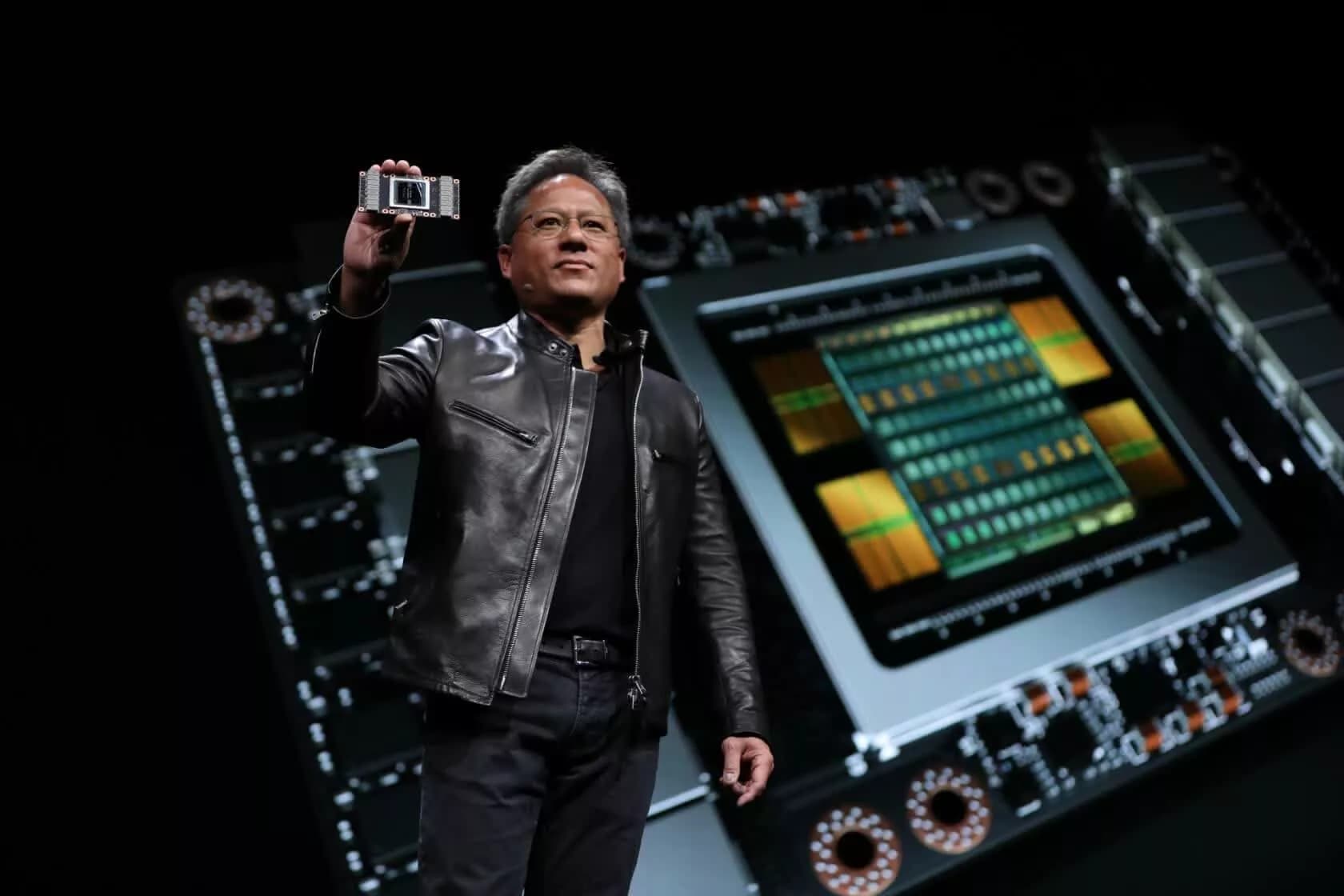
Nvidia CEO Jensen Huang wants lenders to start treating AI accelerators less like depreciating hardware and more like a balance-sheet asset. Speaking with Yahoo Finance's Deirdre Bosa on the sidelines of Nvidia's GTC conference in Berlin, Huang described the company's AI chips as "productive," "fungible" and "durable," and argued they carry "the lowest" risk of any asset.
His remarks amount to a direct pitch to the financial industry. If accepted, they would reshape how data centers are financed and how AI infrastructure is valued on corporate books.
Why Huang Is Making This Argument Now
The timing is not accidental. AI data center construction is running at a pace that outstrips internal cash flow at many operators, pushing companies toward debt markets to fund expansion. Lenders, however, have historically been reluctant to accept specialized hardware as collateral because of rapid obsolescence.
Huang's language is designed to counter that reluctance. By calling the chips "productive," he is arguing they generate revenue. By calling them "fungible," he is arguing they can be redeployed across customers and workloads. By calling them "durable," he is arguing they retain value longer than typical IT equipment.
The claim that Nvidia's AI chips carry "the lowest" risk of any asset is a strong one. It places GPUs in the same conversation as government bonds or blue-chip real estate, at least rhetorically.
How the Three Claims Hold Up
Each of Huang's descriptors carries a specific financial meaning. Together they form the case for treating AI accelerators as collateral.
Critics of the collateral argument point to a different reality. GPU generations have historically turned over quickly, and each new architecture from Nvidia has compressed the resale value of prior models. A chip that is "durable" in performance terms may still lose market value fast.
There is also the question of concentration. If a large share of AI infrastructure is financed against the same class of hardware, a downturn in AI spending could hit collateral values across many lenders at once.
Why This Matters
The stakes extend well beyond Nvidia's own balance sheet. If lenders accept AI chips as collateral, data center operators gain access to cheaper capital and the AI buildout accelerates. If they do not, financing costs stay high and expansion slows.
Cloud providers, neoclouds and enterprise buyers are the most directly affected. Their borrowing terms, lease structures and depreciation schedules all depend on how the financial industry values the underlying hardware.
Huang's comments also carry a strategic dimension. Nvidia dominates the AI accelerator market, so any shift in how those chips are valued as assets reinforces demand for its products. A lender that accepts GPUs as collateral is, in effect, underwriting Nvidia's continued relevance.
The real test will come from credit markets, not conference stages. Until lenders and auditors formally adjust their models, Huang's framing remains a pitch rather than a standard.