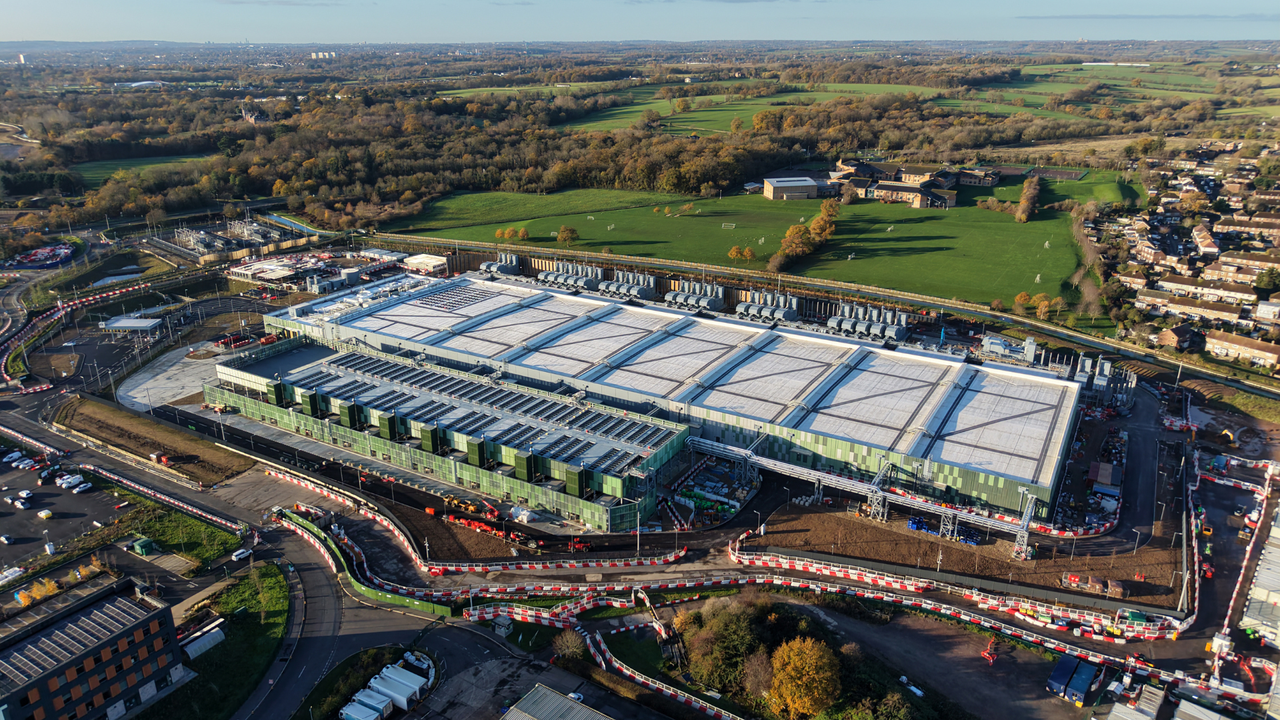
An Italian regional council has approved a 200% tax on data center developments in agricultural zones. The policy aims to steer construction toward disused industrial areas instead. The move targets the rapid expansion of data centers across Italy, which has created tension between tech growth and land preservation.
Why This Matters
Tech companies face soaring demand for data storage and computing power. Data centers require vast amounts of land and energy. Building them on farmland threatens agricultural production and local ecosystems. The new tax makes such projects financially unattractive. Developers must now either pay a heavy penalty or repurpose old industrial sites. This could reshape where data centers locate in Italy and influence similar policies elsewhere.
A New Tool for Land Use Regulation
The 200% surcharge applies to any new data center built on land zoned for agriculture. The council argues that agricultural zones should remain for farming. It wants to revive abandoned industrial areas, often called brownfields, by making them the logical choice for major tech infrastructure. The policy does not target existing facilities. It applies only to new construction permits.
Local officials say the tax is a response to growing pressure from residents and environmental groups. They cite concerns over water usage, energy consumption and loss of open space. The region has seen a surge in data center proposals in recent years, driven by cloud computing and AI workloads.
Industry Response and Broader Implications
Data center operators have not yet issued public statements. Industry analysts expect the move to face legal challenges. Italy has struggled to balance digital infrastructure growth with environmental goals. The national government has offered incentives for data centers in economically depressed areas. This regional tax could complicate those efforts.
The policy may also set a precedent. Other regions in Europe are watching closely. Data center development has become a flashpoint in many rural areas. The Italian council’s approach uses fiscal policy rather than outright bans. That could be replicated in other jurisdictions facing similar land-use conflicts.
For now, developers must calculate whether paying the 200% tax makes sense or whether pivoting to brownfield sites is more profitable. The council hopes the math pushes companies toward redevelopment projects that create jobs and clean up contaminated land.