Senior Editor: Alan Agbele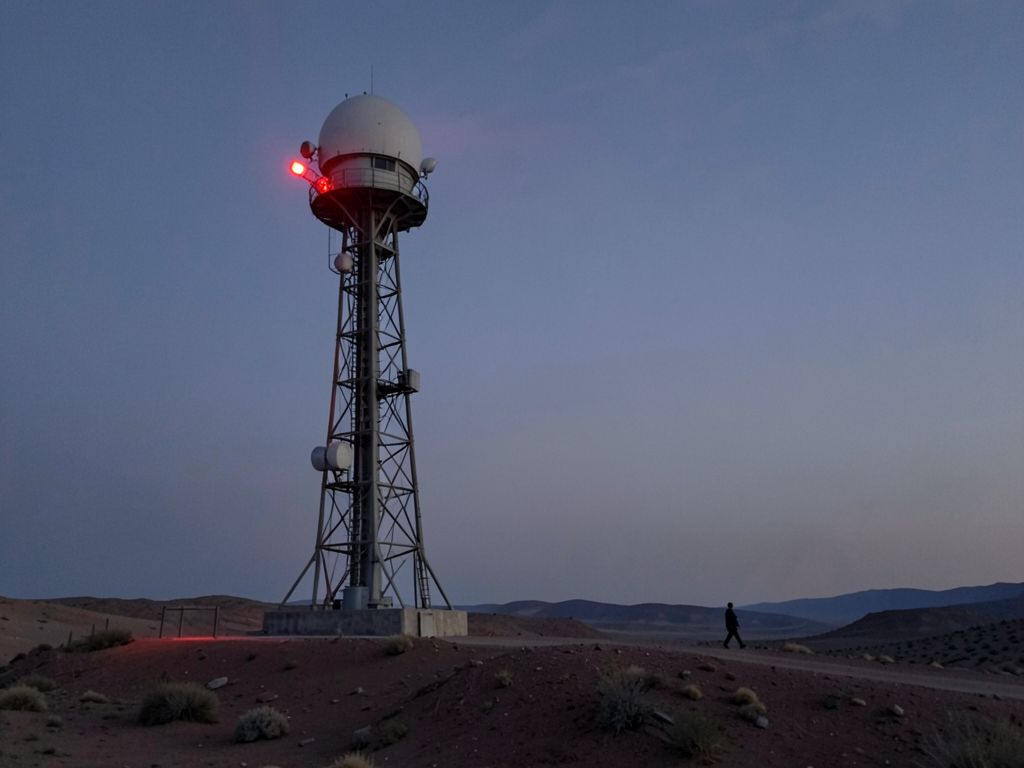
A year-long investigation by MIT Technology Review has uncovered systemic failures in the U.S. government's “virtual wall” of surveillance towers along the border with Mexico. In case after case, people walked undetected through areas monitored by advanced, AI-enabled towers and later died nearby. Their bodies remained unnoticed for weeks or even months, revealing flaws that extend from broken hardware to human error.
Towers That Missed the People They Were Built to See
The investigation, a collaboration with the Times of San Diego, focused on towers built by the defense contractor Anduril. These are the latest, most expensive installations in a network that the U.S. government has been expanding since 2015. In one stretch of desert near New Mexico's state line, more than 18 people died near surveillance towers in 2024 alone.
CBP does not publish a map of its virtual wall. Researchers instead relied on satellite imagery and work by the Electronic Frontier Foundation to locate towers and estimate when they were installed. The tally of more than 1,050 deaths near these towers is almost certainly an undercount, because the government has never tracked the relationship between tower placement and migrant fatalities.
Why Data on Deaths Remains Broken
New Mexico state representative Sarah Silva called for an audit after reviewing the findings. “If I were the federal government, I would do an audit, because this feels like it’s not working,” she told MIT Technology Review. The agency has the ability to analyze tower effectiveness and deaths since at least 2015, but sources say no such audit has ever been conducted.
One reason is the state of death-tracking data. There is no national database that collects all migrant death records. The investigation sifted through thousands of pages of reports from agencies in Texas alone. That process revealed an incomplete picture because no shared protocol exists for documenting these deaths in public records. Border Patrol maintains its own internal records, but the system is fragmented.
Why This Matters
The virtual wall is poised to expand dramatically. The U.S. plans to spend $1 billion to triple the number of towers by 2034, with Anduril positioned to win major contracts. This makes the current failures more than a historical problem: they signal that the U.S. may be scaling a system that has already proved unable to prevent deaths. Without an audit, without better data tracking, and without accountability for broken technology, the next billion dollars could produce the same tragic outcomes.
An independent audit, standardized death reporting, and public transparency are essential if the virtual wall is to serve its stated purpose of saving lives and securing the border. So far, the evidence suggests it has done neither.