Editor: Porcia Akua Holmes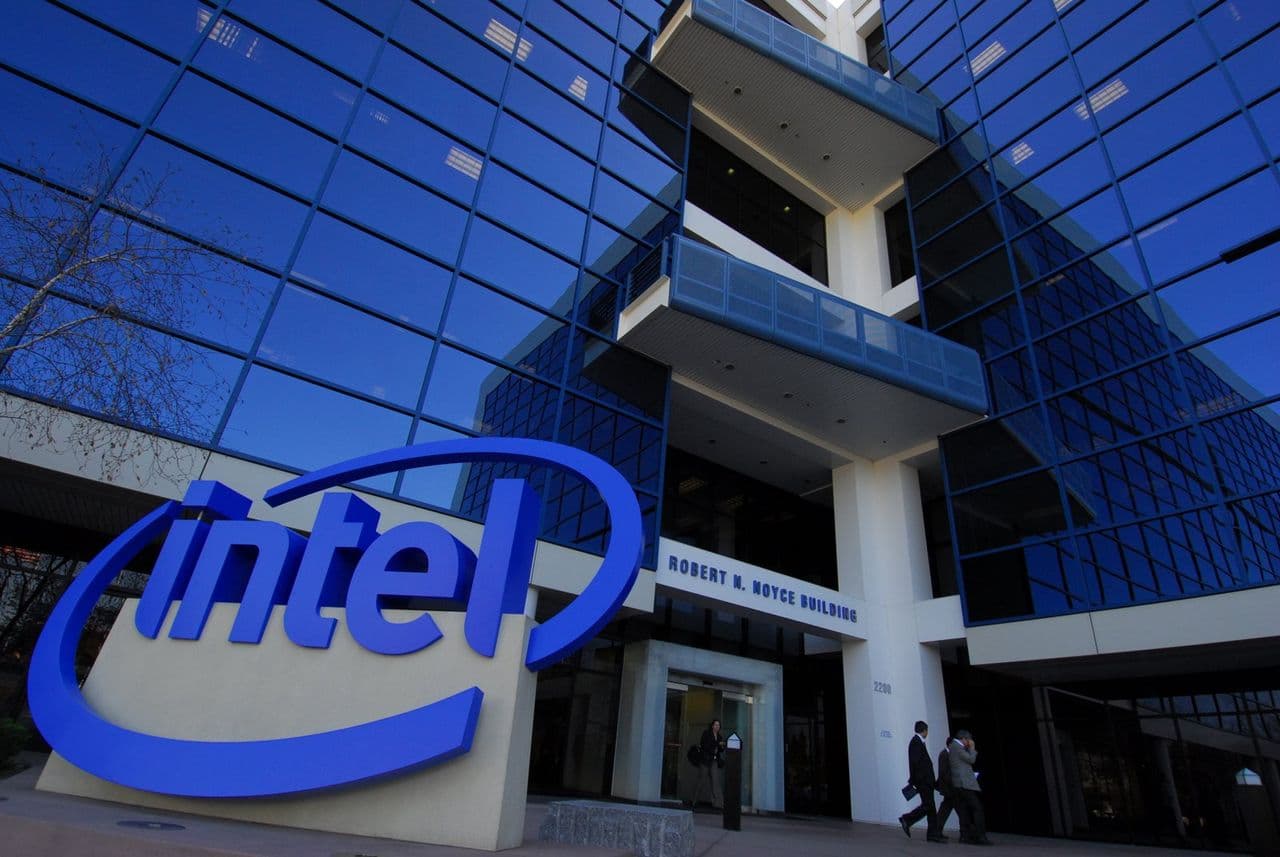
Intel's Robert Hallock, vice president and general manager of the enthusiast channel, told Tom's Hardware Premium that the PC market is headed for a fundamental split. Mainstream buyers are struggling with rising component costs, while enthusiast spending remains resilient. Hallock predicts the industry will eventually adopt separate CPU sockets for mainstream and premium platforms, a change that could reshape how consumers build and upgrade their desktops.
A Market Divided
Hallock described the current landscape as a “tale of two kingdoms.” Users with larger discretionary budgets can absorb price increases, but most other people cannot. “Low-end, mainstream is really taking a beating. Enthusiast and premium, not so bad,” he said. This division is visible across hardware categories, from CPUs to graphics cards. The do-or-die contrast is stark: mainstream sales are slumping while premium products continue to launch at breathtaking prices.
Cost Pressures Widen the Gap
RAM and NAND shortages have driven up prices, particularly hurting budget builds. Meanwhile, premium hardware keeps pushing price boundaries. The Gigabyte RTX 5090 Infinity OC costs $5,300, and Asus offers a $3,300 motherboard bundle. For enthusiasts investing $5,000 in a PC, an extra $300 on RAM makes little difference. But for the majority of buyers, those increases are prohibitive. That dynamic is forcing chipmakers to find new ways to serve the mainstream market.
Toward a Socket Split
Hallock argues that the current cost environment is not temporary. “The supply chain costs, the upstream costs … I don't see those abating anytime soon,” he said. As a result, he expects that CPU manufacturers will adopt distinct sockets for mainstream and enthusiast desktop processors. This would allow cheaper platforms to use simpler, lower-cost socket designs while premium sockets support the highest performance and features. Hallock emphasized that this is likely an industry-wide shift, not just at Intel. AMD could follow a similar path, though neither company has confirmed specific plans yet.
Why This Matters
A socket split would fundamentally change how users plan PC builds. Mainstream buyers would lose the ability to upgrade to high-end CPUs without replacing the motherboard. Enthusiasts might face even higher platform costs as premium sockets carry more expensive chipsets and memory support. The divide could also impact the second-hand market and system longevity, creating two distinct upgrade cycles. For Intel and AMD, maintaining two parallel platforms adds engineering complexity and costs that may eventually be passed to consumers. This structural shift signals that the PC hardware market is adapting to an era of persistent inflation and segmented demand.