Senior Editor: Alan Agbele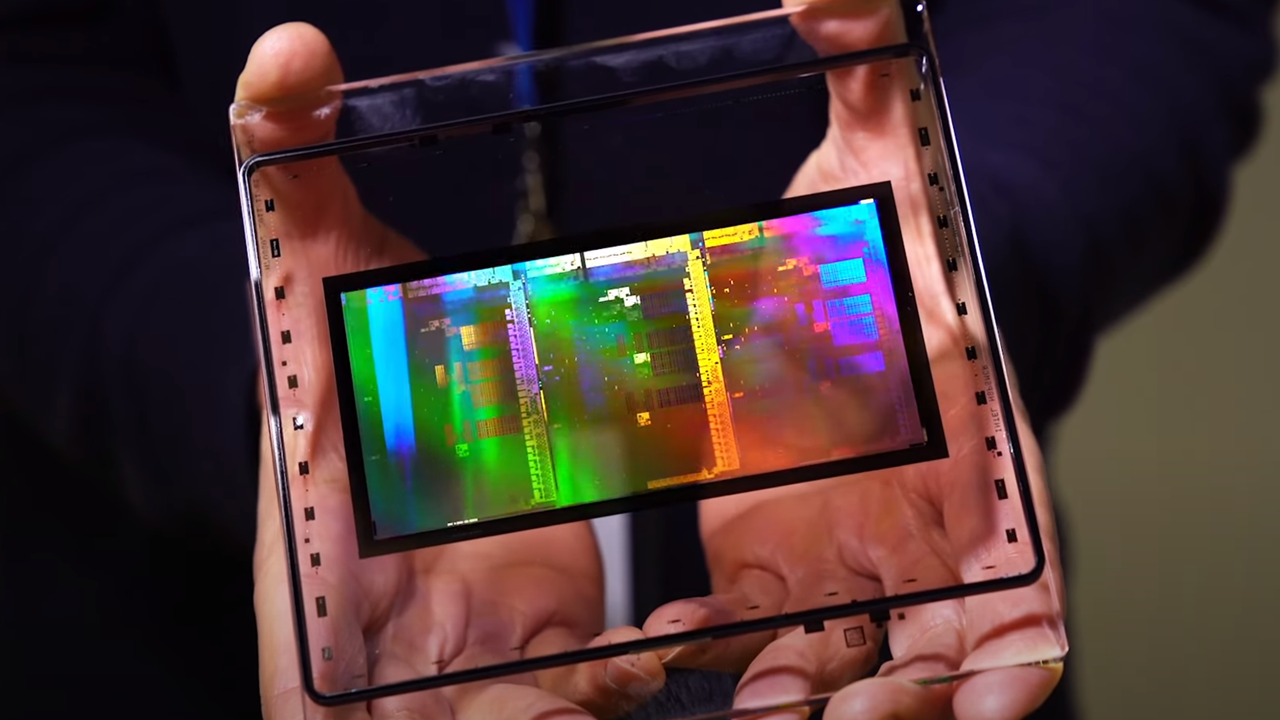
Intel has broken ground on a major expansion of its Bowers Campus in Santa Clara, California, doubling down on domestic production of the precision photomasks required to print the most advanced computer chips. The move positions the company as a critical supplier of this specialized equipment at a time when the global semiconductor industry is racing toward smaller, more powerful transistors.
New Facility Targets Advanced Nodes
The 107,000-square-foot building will house a Class 1 cleanroom capable of writing 6-inch by 6-inch photomasks across a wide range of process technologies. Intel said the facility will produce reticles for nodes spanning 32nm down to 1.4nm-class, with a primary focus on leading-edge processes like 18A, 18A-P, 14A and future generations. These advanced nodes rely on EUV and High-NA EUV lithography, which demand masks with extremely dense patterns and curvilinear optical proximity correction using curved geometric shapes.
Having this capability inside the company matters because EUV tools gradually damage masks over time, even with protective pellicles in place. A reliable in-house mask shop allows Intel to produce replacement reticles quickly, minimizing downtime that could delay product launches.
Geopolitical Context Shapes Investment
The expansion arrives as chip supply chains face increasing scrutiny. The U.S. government has pushed to reduce reliance on Asian fabrication, and Intel has positioned itself as a pillar of domestic semiconductor manufacturing. The Image of a self-sufficient American chip industry hinges on controlling not just logic fabrication but also the specialized tools and materials that feed into it. China, meanwhile, has focused on DUV lithography due to an effective EUV blockade, highlighting the strategic importance of advanced mask-making technology.
The Bowers Campus project was approved earlier this year and formally launched at a ceremony attended by Intel's top executives and Santa Clara's mayor. The company expects the new facility to reinforce the site's role as a key production hub for Intel Mask Operations, a division that falls under the VP Intel Foundry umbrella.
Why This Matters
For Intel, controlling mask production means controlling its own manufacturing destiny. Each advanced chip requires hundreds of masks, and every revision directly impacts production schedules. As Intel Foundry seeks external customers, the ability to deliver fast mask turnarounds becomes a competitive advantage against TSMC and Samsung, both of which maintain their own mask shops. The investment also signals Intel's long-term commitment to leading-edge process technology at a time when the company faces financial pressure and questions about its foundry strategy. For the broader U.S. tech industry, this expansion adds resilience to a critical supply chain link that had concentrated in East Asia for decades.